



Best Bedding Materials for Sensitive Skin: What Should You Look For?
04 Nov 2026
For many people with eczema or easily irritated skin, soft, breathable 100% cotton bedding is a practical first choice because it can reduce rough contact and is usually straightforward to wash. Smooth silk or lyocell may also feel comfortable for some people, while wool, rough textures, certain synthetics or fabric finishes may irritate others. No fibre is guaranteed 'allergy-free'. How you wash your sheets, control heat and manage dust-mite exposure can matter as much as the material label.
The British eczema charity Eczema UK recommends breathable cotton bedding for many people with eczema and notes the importance of temperature and household dust mites. The American Academy of Dermatology also recommends fragrance-free, dye-free laundry detergent, avoiding irritating fabric softeners and washing new fabrics before use. These are practical comfort measures, not cures for eczema or allergies.
Skin can react to friction, rough seams, overheating, perspiration, detergents, dyes or a specific contact allergen. An itchy night does not automatically mean the fibre itself caused an allergy. Dry skin, eczema flares, dust-mite allergy and contact dermatitis require different care, and persistent symptoms should be discussed with a healthcare professional.
In Hong Kong's warm and humid conditions, heavy fabrics and warm bedding can increase sweating and discomfort. Air-conditioning may help reduce overheating, but excessively cold or dry air can also bother some sensitive skin. Comfort comes from the whole sleep environment, not a fabric claim alone.
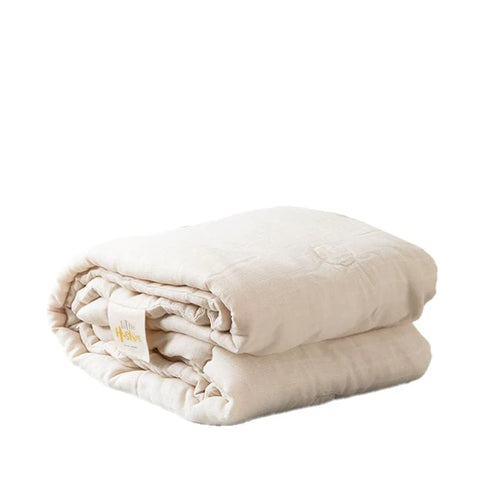
Soft 100% cotton sheets, pillowcases and duvet covers are frequently recommended for eczema-prone skin because they are breathable, absorb moisture and can be washed according to their care labels. Look for a smooth surface without scratchy seams and consider whether the weave feels cool and comfortable in your bedroom. Avoid assuming that the highest thread count is always the most comfortable or breathable.
Cotton sateen can feel smoother and more drapey than crisp percale, but the weave alone does not determine irritation. A high-quality cotton sheet that washes well and does not trap excessive heat may be more useful than a premium fabric that is difficult to clean regularly.
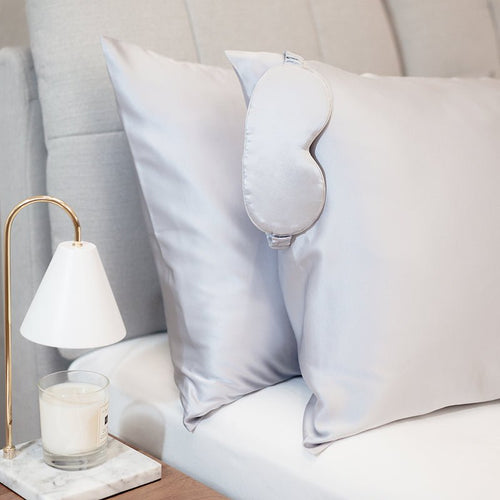
Mulberry silk is known for a smooth surface that may feel pleasant against the face and hair, particularly when friction is a concern. However, silk does not eliminate eczema triggers, and some people can be sensitive to individual proteins, dyes or finishing chemicals. Check the wash instructions: many silk pillowcases require gentle hand washing and more delicate drying.
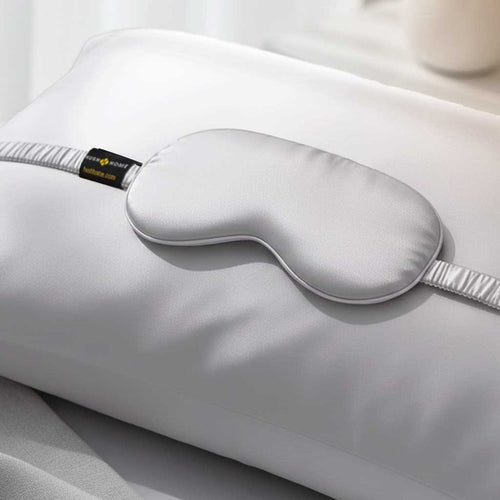
Hush Home's Mulberry Silk Pillowcase™ is listed as 100% 22-momme mulberry silk and uses an envelope closure. Consider it for a smooth-feeling pillowcase, not as a treatment for eczema, acne, wrinkles or hair loss. If your priority is frequent warm machine washing, cotton may be easier to manage.
Hush Home Mulberry Silk Pillowcase™
Lyocell can have a smooth, fluid hand feel and is worth trying if you dislike rough fabrics. TENCEL™ is a trademarked fibre brand, not a general synonym for all lyocell. Bedding marketed as 'bamboo' is often made from regenerated viscose derived from bamboo pulp, not woven raw bamboo fibres. Claims that all such fabrics are naturally antibacterial or universally suitable for eczema require product-specific support.
Whether a lyocell or bamboo-derived sheet suits your skin depends on its finish, dyes, weave, laundering and how it feels after repeated use. Check the actual fibre composition on the label instead of choosing by a marketing word alone.
Linen may feel breathable and becomes softer with use, but some new or coarser weaves can feel rough on highly sensitive skin. Wool may provide warmth yet its texture can trigger itching in some eczema sufferers, particularly against bare skin. Polyester and microfibre vary widely: some feel smooth and wash easily, while less breathable constructions may trap warmth for particular sleepers.
These are not blanket bans. Sensitive skin varies, and a comfortable textile must be assessed together with your room temperature and care needs. If a fabric consistently irritates you, remove the exposure and ask a dermatologist about possible contact triggers.
| 材質 | Potential benefit | What to check |
|---|---|---|
| 100% cotton | Soft, breathable and washable | Weave, seams, heat and care labels |
| Mulberry silk | Smooth feel and low surface friction | Gentle care; no medical or allergy guarantee |
| Lyocell / TENCEL™ | Smooth drape; fabric-dependent moisture handling | Exact composition and finishing |
| 亞麻 | Can be breathable; softens with use | New/coarse weaves may feel rough |
| 羊毛 | Insulation for cool conditions | May cause itch for some eczema sufferers |
| Polyester / microfibre | Some soft, easy-care constructions | Heat retention and individual tolerance |
OEKO-TEX® STANDARD 100 tests certified textile components for specified harmful substances according to its requirements. It is useful information about tested materials, but it does not certify that a sheet is allergy-free, organic, suitable for every eczema patient or clinically effective. Ask for the certificate scope and valid number rather than using the logo as a substitute for a skin-patch assessment.
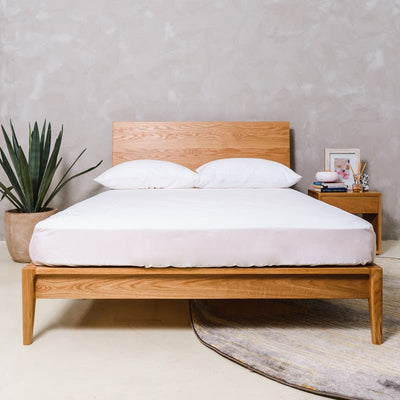
Hush Home's Egyptian Cotton Hotel Sheets™ specify 100% Egyptian long-staple cotton, a 400-thread-count one-ply sateen weave and OEKO-TEX® STANDARD 100-certified cotton. These are useful construction details if you value smooth cotton bedding, but they do not guarantee an eczema flare will not occur.

Choose a detergent without fragrance or dyes if your skin is easily irritated, use the recommended amount, rinse thoroughly and consider avoiding heavily perfumed fabric softener. Wash new sheets before use to remove manufacturing residues where possible. Always follow each fabric's care label; delicate silk and robust cotton have different washing needs.
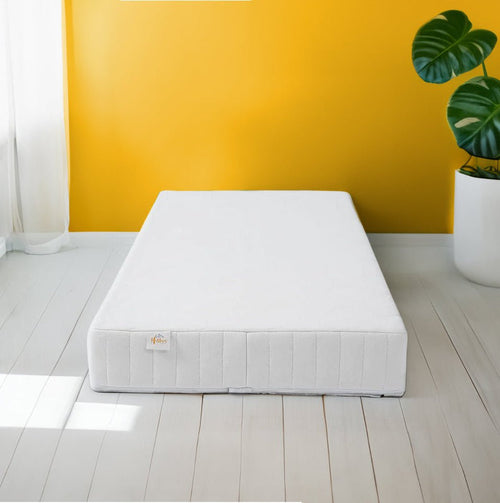
For people with documented dust-mite allergies, allergen-proof encasements and regular cleaning may be appropriate under allergy guidance. A waterproof mattress protector is not automatically a certified allergen-proof encasement: compare whether it fully encloses the mattress, its tested barrier specifications, washability and airflow. Heat and trapped moisture can also affect comfort in Hong Kong.
Start with a soft, non-scratchy surface against your skin; choose a weave and warmth suitable for your room; read the exact fibre composition and finishing claims; check whether regular washing is realistic; and look at pillowcase seams, zips, dyes and detergent use. If a particular allergen is known, medical advice should guide avoidance rather than a generic 'hypoallergenic' label.
It is a widely recommended practical starting point because it is often breathable, soft and washable, but individual triggers vary.
Some people like the smooth feel, but silk is not an eczema treatment and requires suitable care.
Not universally. Many 'bamboo' fabrics are regenerated viscose; assess actual fabric and substantiated claims.
No. It tests for specified harmful substances and cannot guarantee zero reaction for every person.
Some synthetic fabrics may cause overheating or irritation, but effects vary by fabric and person. Soft washable cotton is a common starting choice.
Yes, fragrances, dyes and residues can matter. Consider fragrance-free detergent, correct dosing and thorough rinsing.
Not necessarily. An allergen barrier depends on complete encasement, relevant tested properties and proper cleaning.
If itch, rash, weeping, infection signs or sleep disruption persist, seek medical assessment rather than relying only on new sheets.
For sensitive skin, soft washable cotton is a sensible starting point, but the whole routine matters: friction, heat, humidity, washing products and any known allergens. Silk, lyocell and other fabrics may be comfortable alternatives for some; no certification or 'hypoallergenic' label replaces the need to learn your own triggers and seek medical advice when symptoms persist.