
Choosing the Best Mattress for Elderly
13 Mar 2026
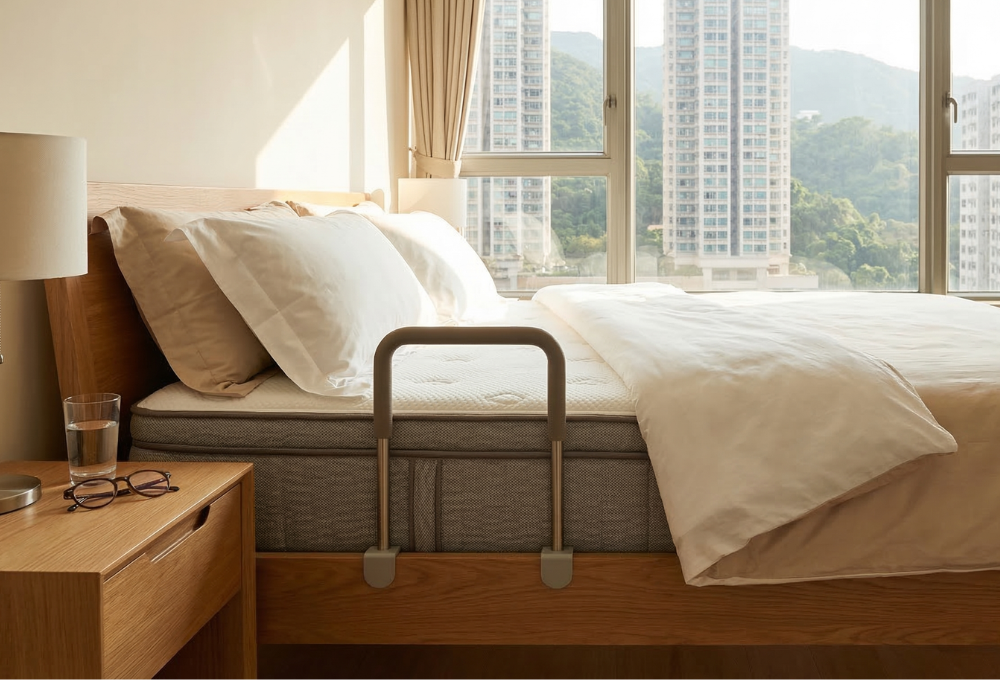
Finding the right mattress for an elderly loved one is about more than just comfort—it is a critical decision for safety, mobility, and long-term orthopedic health. As we age, our bodies require specific support systems to manage joint sensitivity, thinning skin, and changes in balance.
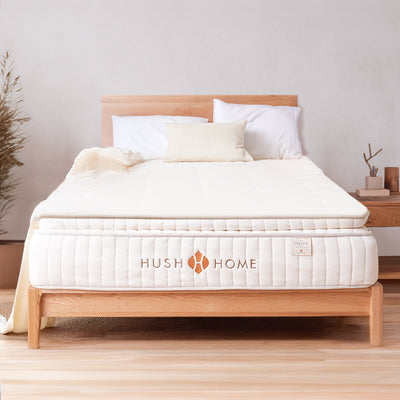
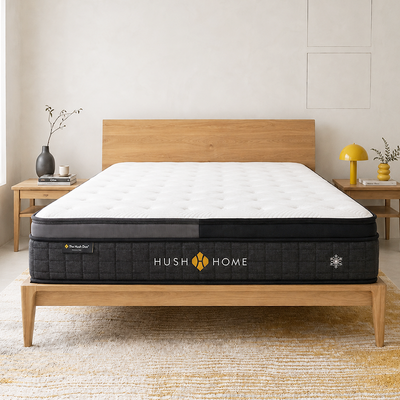
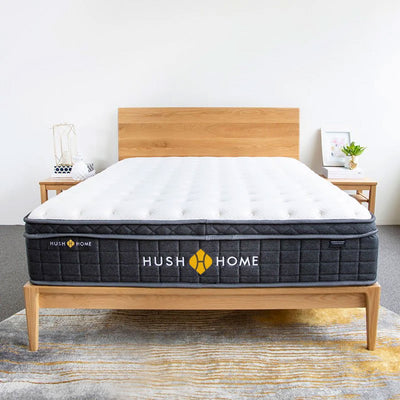
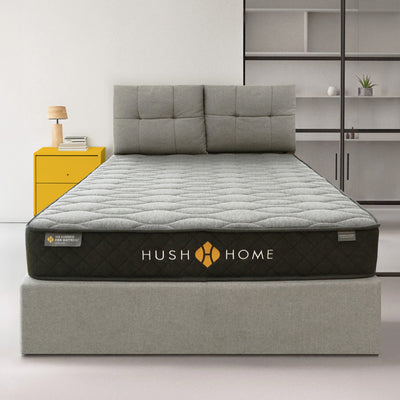
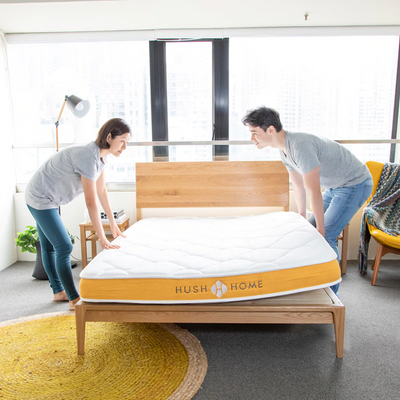
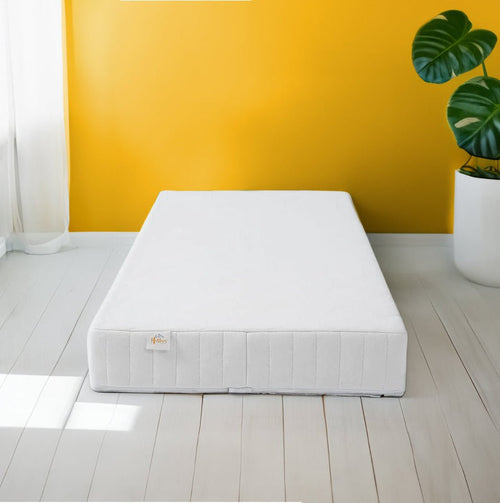
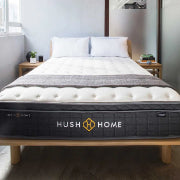
At Hush Home, we combine sleep science with premium materials to create environments that foster independence. For seniors, we specifically recommend the Hush Mattress™ for its superior pressure relief and the Essence Firm Mattress™ for its high-density orthopedic support. Both options are engineered with the reinforced edges and breathable materials essential for the unique needs of Hong Kong homes.
This guide outlines exactly what to look for when selecting a mattress that ensures your loved ones can rest comfortably and move safely.
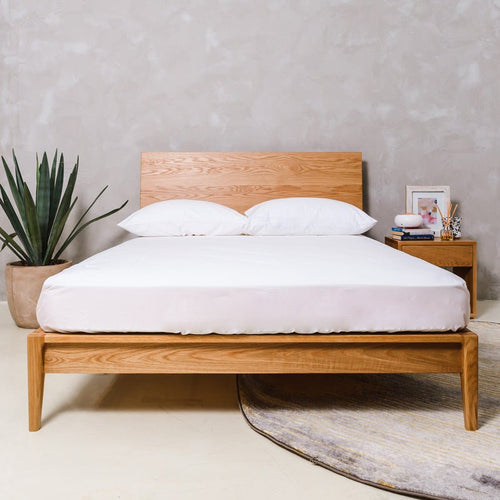
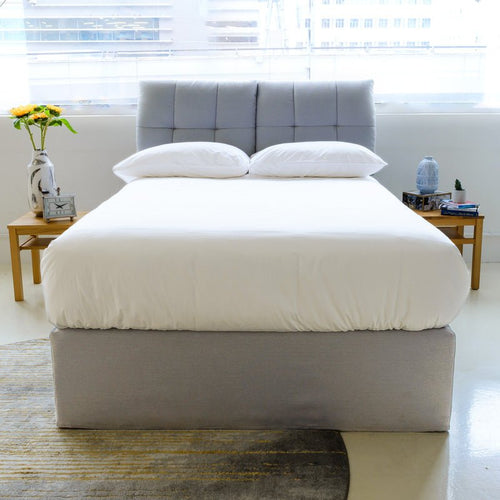
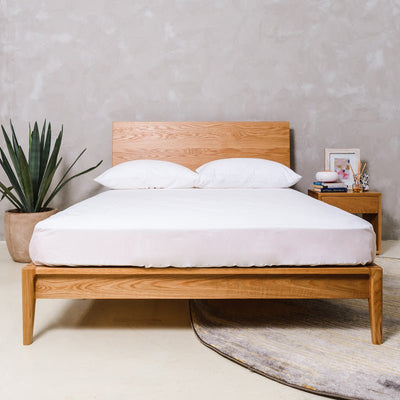
One of the most overlooked safety factors for the elderly is the total height of the sleep system (bed frame + mattress). A bed that is too low makes standing up difficult, while a bed that is too high increases the risk of falls.
Q: What is the ideal bed height for seniors?
A: The ideal height allows the sleeper to sit on the edge of the bed with their feet flat on the floor and their knees bent at a 90-degree angle. This provides the most stable "launchpad" for standing up safely.
For many seniors, the edge of the bed is a tool for mobility. They use it to balance while getting dressed or to steady themselves when sitting down.
Many "bed-in-a-box" models use soft foam edges that collapse under weight, creating a "sliding off" sensation.
The Solution: Look for mattresses with reinforced perimeters. All Hush Home mattresses feature EdgeSupport™, a high-density encasement that ensures the edge is as firm and stable as the center.
In Hong Kong, there is a common belief that an excessively hard bed is best for the elderly. However, for seniors with arthritis or joint pain, a "board-like" surface can cause numbness and pressure sores.
Q: Should seniors sleep on a hard mattress?
A: No. Seniors need Zoned Support. This means the mattress is firm under the hips to maintain spinal alignment, but offers softer cushioning under the shoulders and knees to protect sensitive joints and improve circulation.
When choosing a mattress for the elderly, focus on support over softness. A mattress that is too soft can make it difficult to change positions or get out of bed, while one that is too hard can cause painful pressure points.

The Hush Mattress™ is our top recommendation for seniors who suffer from hip or shoulder pain. Its hybrid design uses open-cell memory foam to cradle the body, reducing the "tossing and turning" that disrupts deep sleep.

The Essence Firm Mattress™ is ideal for seniors who prefer the stable feel of a firmer bed but still require orthopedic alignment. It provides a consistent, flat surface that makes moving around in bed much easier for those with limited mobility.
Q: Why is mattress choice important for elderly safety?
A: A mattress with poor support can lead to morning stiffness and "sinking," which makes it physically harder for a senior to stand up. A high-quality mattress provides a stable foundation that reduces the risk of falls during middle-of-the-night trips.
Aging skin is more sensitive to heat and moisture. In Hong Kong’s humid climate, a mattress that traps heat can lead to skin irritation. Ensure the mattress uses breathable foams that allow air to circulate.
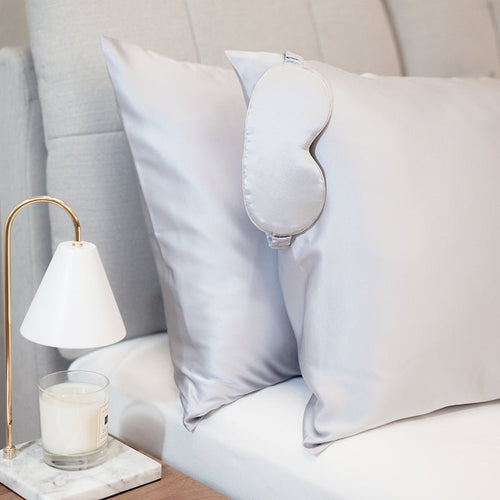
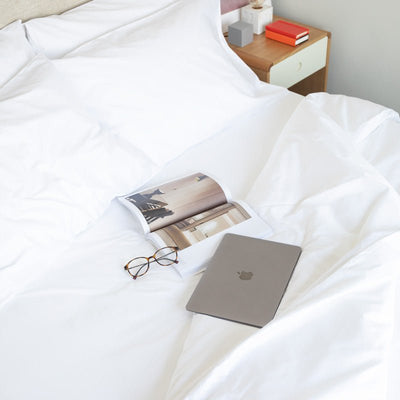
Pro Tip: Pair the mattress with Egyptian Cotton Sheets. These are hypoallergenic and naturally moisture-wicking, keeping the skin dry and healthy throughout the night.
A safe bedroom starts with a supportive foundation. By choosing a mattress with reinforced edges and zoned support, you give your loved ones the gift of better sleep and greater independence.
Q: How often should an elderly person’s mattress be replaced?
A: Every 10–15 years. Over time, mattresses lose their ability to relieve pressure and support the spine, which can exacerbate chronic pain in seniors.
Q: Are adjustable bed frames good for seniors?
A: Yes. They can assist with respiratory issues (by elevating the head) and reduce swelling in the legs. However, ensure the frame is paired with a compatible hybrid mattress like the Hush Mattress.
Q: How can I make the bedroom safer for middle-of-the-night trips?
A: Remove all loose rugs (trip hazards) and install motion-activated LED lights under the bed frame to illuminate the floor the moment their feet hit the ground.