
Foldable Mattress vs Thin Mattress vs Mattress Topper: Which Is Best for Small Hong Kong Homes?
09 Oct 2026
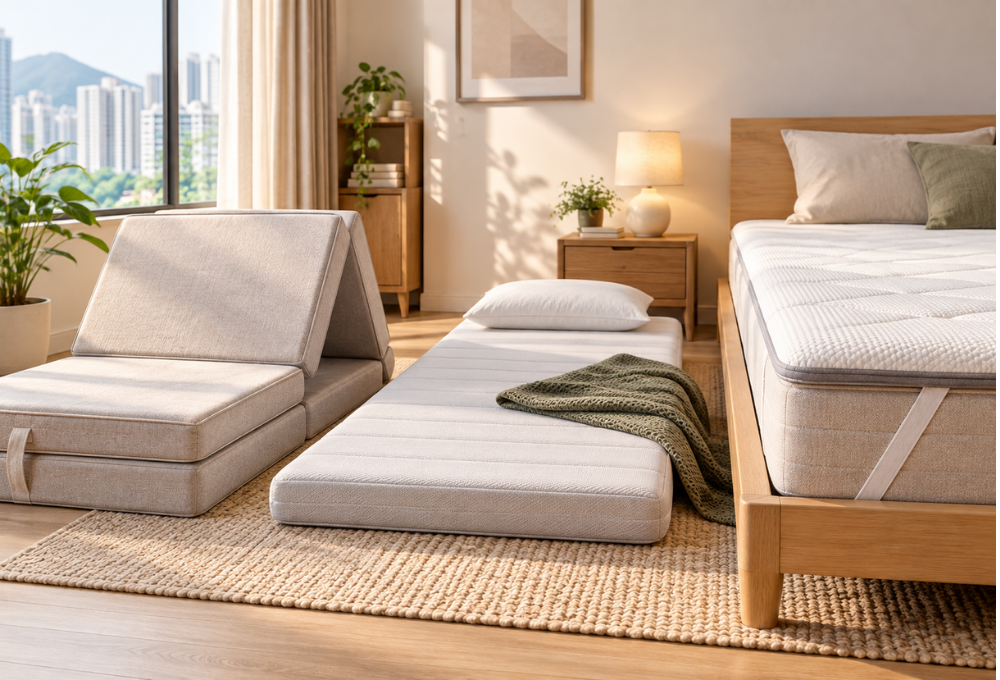
In a small Hong Kong bedroom, every centimetre matters. A full-height mattress may be comfortable, but it may not suit a bunk bed, Murphy bed, built-in platform, daybed or multipurpose room. That is why three space-conscious products often get compared even though they are not interchangeable.
Quick Answer
For regular nightly sleep: choose a proper thin mattress if your bed frame or room requires a low profile but you still want a complete support system.
For occasional guests and maximum daytime storage: choose a foldable mattress that can be packed away when the room needs to return to another use.
For improving a mattress you already own: choose a mattress topper. A topper can make the surface feel softer or firmer, but it is not a substitute for a mattress support core.
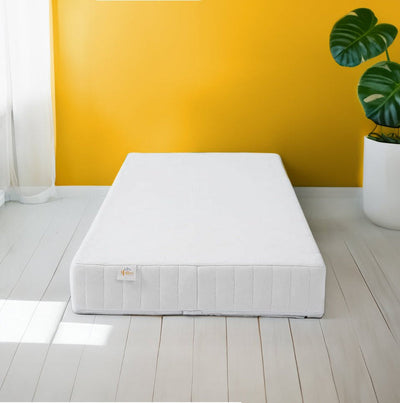
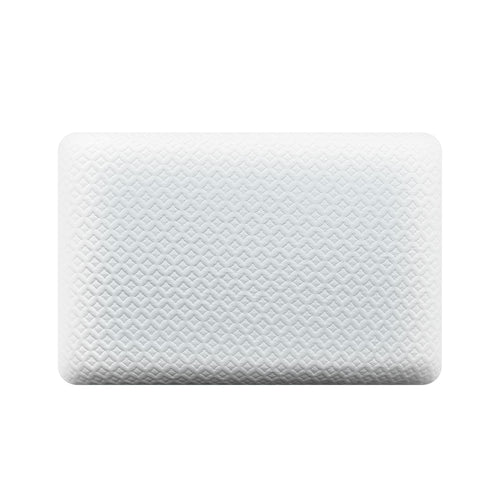
A foldable mattress is designed around portability and storage. Most use foam sections joined by fabric hinges so the mattress can fold into two, three or more panels. Some products can also fold into a seat or pouffe when not used for sleeping.
The biggest advantage is obvious: the sleeping surface can disappear during the day. That makes foldable mattresses useful in living rooms, studies, helper rooms, children’s rooms or spare rooms that need to serve more than one purpose.
The trade-off is that many foldable guest mattresses are very thin and use relatively simple foam construction. For example, IKEA Hong Kong’s current RÅHOLT guest mattress is 5 cm thick and specifically marketed as a foldable guest mattress that can be stored under a bed or in a narrow space. IKEA also sells foldable mattress/pouffe designs in its SLÄKT range.
A thin mattress is still a complete mattress. The defining feature is its lower profile, not the ability to fold. Low-profile mattresses are commonly around 4 to 8 inches thick, although exact definitions vary.
A thin mattress can contain foam, latex, springs or a hybrid construction. Because it is designed as the primary sleep surface, it normally includes both comfort and support components rather than relying on another mattress underneath.
This makes a thin mattress particularly useful for bunk beds, trundle beds, Murphy beds, daybeds, low built-in platforms and rooms where mattress height affects guardrail clearance or furniture operation.
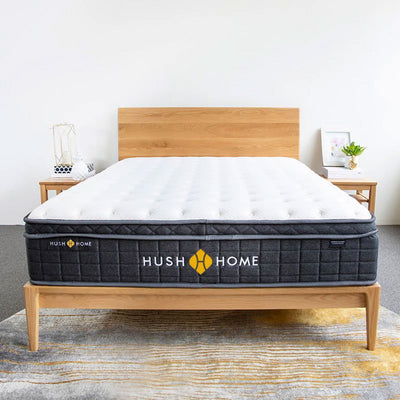
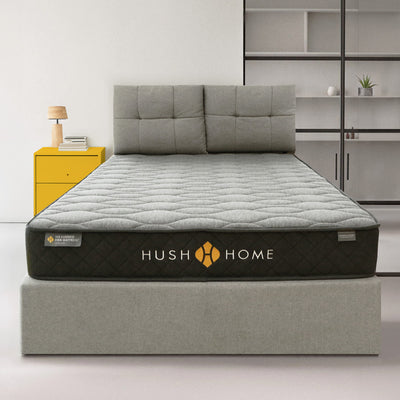
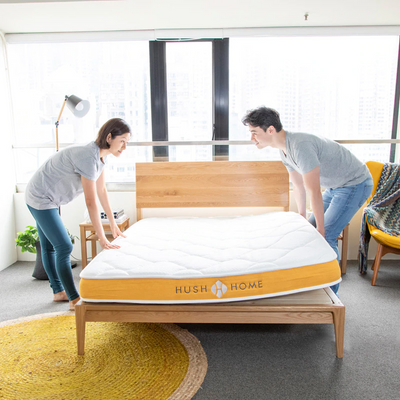
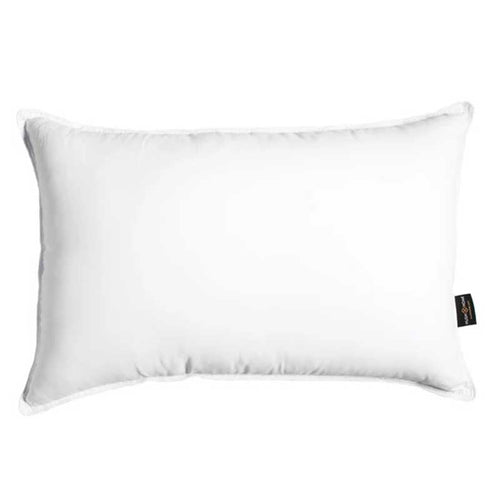
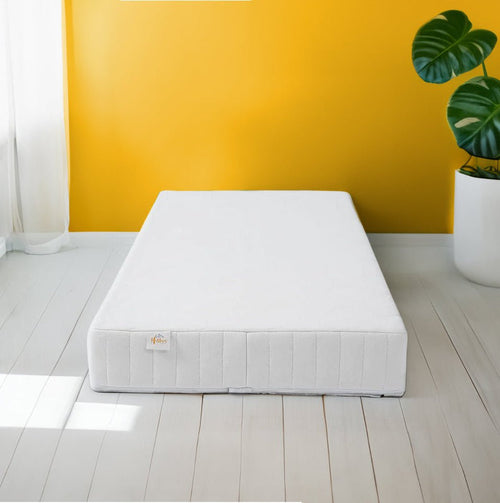
Hush Home’s Loft Mattress™ is a 5-inch thin mattress designed specifically for compact setups such as bunk beds, Murphy beds and daybeds. Unlike a basic folding foam pad, it uses tempered-steel pocket springs with foam on both sides and can be flipped between two firmness levels.
That is an important category distinction: a thin mattress can save vertical space without giving up the basic architecture of a real mattress.

A mattress topper is an extra comfort layer placed on top of an existing mattress. Toppers are commonly around 1 to 4 inches thick and can be made from memory foam, latex, polyfoam, wool, feather or other materials.
Its job is to change how the bed feels. A softer topper can add cushioning and pressure relief; a firmer topper can reduce the soft feel of the upper surface. What it does not provide is a full replacement support core.
A topper is therefore the best space-saving option only when you already have a mattress. It adds little storage burden compared with buying another mattress, but it cannot solve the problem of having no bed in the first place.
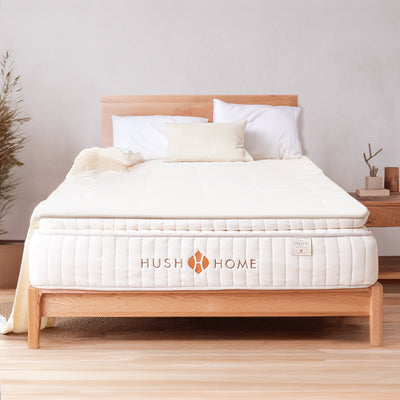
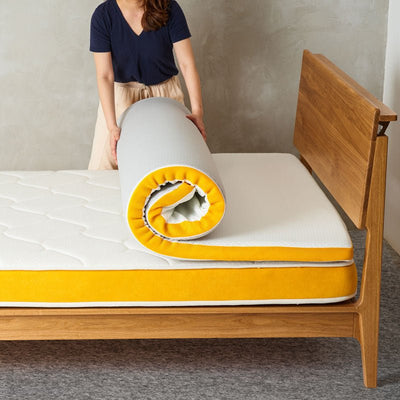
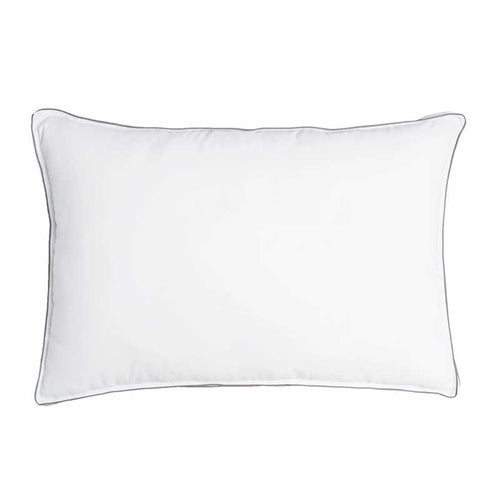
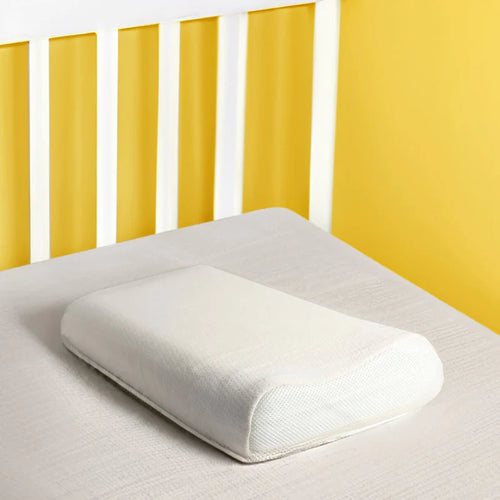
Hush Home’s Dual Mattress Topper™ is about 2.5 inches, or 6 cm, thick. It uses a reversible memory-foam construction with a medium-firm side and a firmer side, plus corner straps designed to secure it on top of a mattress.
That construction makes the intended use clear: it is an upgrade layer for an existing bed, not a standalone replacement for a full mattress.

| 选项選項 | 主要功能 | Best When |
|---|---|---|
| Foldable mattress | Prioritises storage and portability. | The bed must disappear during the day. |
| Thin mattress | Prioritises low height while remaining a complete mattress. | The bed stays in place but mattress thickness must be controlled. |
| Mattress topper | Prioritises changing comfort on an existing mattress. | The current mattress is basically supportive but feels too firm, too soft or not cushioned enough. |
If you need to reclaim floor area every morning, a foldable mattress usually wins. Once folded, it can fit under a bed, inside a cupboard, beside a wardrobe or—in some designs—serve as seating.
A thin mattress saves vertical space, not floor space. It still occupies the full footprint of the bed. This is ideal when you already have a permanent bunk bed, Murphy bed, daybed or built-in platform.
A topper takes up the least extra space if it remains on top of your existing mattress. But it does not create a new sleeping place, so it is not a direct alternative when you need an additional bed for a guest.
For most adults who sleep in the same place every night, a complete thin mattress is usually the strongest of these three categories. It is designed to work as the whole sleep system rather than as an occasional pad or an add-on layer.
That does not mean every thin mattress is automatically supportive. Thickness limits how much space a manufacturer has for comfort and support layers, so materials and construction matter. A 5 cm guest foam pad and a 5-inch pocket-spring mattress are both “thin,” but they are very different products. For more context, see Are Thicker Mattresses Better? Mattress Thickness Guide.
For occasional overnight guests, the foldable mattress is often the most practical. It can be stored when not needed and deployed in a living room or study without dedicating permanent floor space to a bed.
If the guest room is used frequently or the same person sleeps there regularly, a thin mattress on a proper base may be a better long-term setup because it provides a consistent sleeping surface and does not need to be folded and unfolded every time.
A thin mattress is normally the most relevant category because these bed systems impose height or clearance limits. A bunk-bed mattress must leave enough effective guardrail height; a Murphy bed must close properly; and a daybed often looks and functions better with a low-profile mattress.
Always check the furniture manufacturer’s maximum mattress thickness before buying. “Thin” is not a universal specification, and even a few extra centimetres can matter in a bunk-bed guardrail or fold-up mechanism. See the Bunk Bed Mattress Guide: Size, Thickness & Safety in Hong Kong for more detail.
For short, improvised use, some people do lie directly on a topper. But a topper is not designed to reproduce the support system of a mattress, and it is usually much thinner. For regular adult sleep, it should generally be treated as an add-on to a mattress rather than a standalone bed.
This distinction is especially important if the topper is memory foam. Memory foam can add contouring and pressure relief, but without an appropriate base or support core underneath, the overall sleep surface may not provide the resistance your body needs.
For a broader explanation of the category difference, see Mattress vs Mattress Topper.
A topper can change comfort and may temporarily make mild surface wear less noticeable, but it cannot rebuild a failed support core. If the mattress has deep body impressions, broken springs or structural sagging, the topper will follow the uneven surface underneath.
This is why a topper is best used to fine-tune a mattress that is still structurally sound—not to postpone replacing a bed that no longer supports you properly. If the underlying mattress is the problem, see How to Fix a Sagging or Soft Mattress.
Foldable mattresses are often used directly on the floor, but warm and humid environments increase the importance of ventilation. A mattress resting flat on the floor receives very little airflow underneath, so moisture can become trapped between the mattress and floor.
If you use a foldable mattress or thin mattress on the floor, let both the floor and mattress dry fully, air the mattress regularly, check for moisture or mould, and follow the manufacturer’s foundation and warranty instructions.
A foldable mattress has one practical advantage here: because it is easy to lift and fold, it is usually easier to air out than a heavy full-size mattress. That only helps, however, if you actually fold or stand it up after use. For mould prevention guidance, see How to Treat and Prevent Mould in Mattresses.
Foldable mattresses are the clear winner for frequent movement. Their hinges and smaller folded footprint make them practical for guests, moves between rooms, temporary rentals and car transport.
Toppers are lighter than most mattresses but remain large and floppy when unfolded. They can usually be rolled or folded gently for short moves depending on the material, but they are not normally designed for daily pack-away use.
Thin mattresses are easier to handle than thick mattresses but are still mattresses. Pocket springs and structured cores should not be repeatedly folded unless the manufacturer specifically designs them to do so.
Category alone does not determine lifespan, but the intended use provides a clue. A proper thin mattress is built as a primary sleep surface and may carry a mattress-length warranty. A basic foldable guest mattress may prioritise portability and low cost instead. A topper is a replaceable comfort layer whose lifespan depends heavily on material density, thickness and how often it is used.
For example, Hush Home currently gives the Loft Mattress™ a 15-year mattress warranty and 100-night trial, while the Dual Mattress Topper™ has a 30-night trial. Those policies reflect the fact that the two products serve different roles.
For a new guest sleeping surface, a basic foldable foam mattress is usually the lowest-cost category. IKEA Hong Kong’s current foldable RÅHOLT guest mattress, for example, is priced in the hundreds of Hong Kong dollars rather than the thousands.
A topper can also be much cheaper than replacing a full mattress, but only if the mattress underneath is still worth keeping. Buying a topper for a structurally worn-out mattress can become false economy if you still need to replace the mattress soon afterward.
A thin mattress costs more because it is a complete mattress, but for daily use it may offer better long-term value than repeatedly replacing temporary guest pads.
| Living Situation | Best Fit |
|---|---|
| Studio or micro-flat where the living room becomes a bedroom | Foldable mattress if the floor needs to be completely cleared each morning. Choose a model that is easy to lift and air out, and plan where the folded mattress will actually be stored. |
| Bunk bed or high sleeper | Thin mattress. Mattress height affects guardrail safety, so use a product within the bed manufacturer’s stated maximum thickness. |
| Murphy bed or fold-up wall bed | Thin mattress designed for the mechanism. A foldable guest mattress may not stay positioned correctly when the wall bed closes, while a thick mattress may prevent the mechanism from operating. |
| Guest room used a few times a year | Foldable mattress if storage flexibility matters more than permanent bed comfort. If you already keep a sofa bed or basic mattress in the room, a topper may be a more efficient comfort upgrade. |
| Helper room or compact bedroom used every night | A proper thin mattress sized for the bed. A regularly used sleeping surface should be chosen for support and durability first, then for thickness. |
| Existing mattress feels too firm | A softer or more pressure-relieving topper, provided the mattress underneath is still structurally sound. |
| Existing mattress feels too soft | A firmer topper may change the immediate surface feel, but it cannot correct a deeply sagging or failed support core. If the mattress is collapsing underneath you, replacement is the more appropriate solution. |
A topper needs a mattress underneath. If your real problem is where a guest will sleep, a foldable or thin mattress is the relevant category.
Thin describes height, not construction. A thin mattress can contain foam, latex or pocket springs and may be built for regular use.
Some foldable mattresses are substantial, but many are designed primarily as guest or temporary sleep products. Check thickness, materials, intended use and sleeper weight rather than judging by portability alone.
Extra foam may make the first few minutes feel better, but it cannot restore broken or compressed support components underneath.
Floor contact reduces airflow and can trap moisture. If a mattress is used on the floor, regular airing and moisture checks are important, especially in warm, humid conditions.
It can be, but only if the specific model provides enough support and comfort for the sleeper and is intended for regular use. Many inexpensive foldable mattresses are much thinner and simpler than a primary mattress, so do not assume every guest mattress is suitable for nightly adult use.
Not automatically. Thin mattresses have less room for comfort and support layers, but construction matters more than thickness alone. A well-designed low-profile mattress can be appropriate where bed height is restricted.
There is no universal definition, but low-profile mattresses are often described as roughly 4 to 8 inches thick. The Hush Loft Mattress™, for example, is 5 inches thick.
Most toppers are around 1 to 4 inches thick. Hush Home’s Dual Mattress Topper™ is approximately 2.5 inches, or 6 cm.
Yes, if the thin mattress is compatible and structurally supportive. A topper can add cushioning or change firmness, but remember that it also increases total bed height, which can matter on bunk beds and Murphy beds.
People sometimes do for temporary sleep, but a topper is not a full mattress and does not contain a dedicated support core. Direct floor use also increases moisture and airflow concerns. For regular sleep, a proper mattress is generally the more appropriate category.
A foldable mattress is usually easiest to store because its footprint becomes much smaller when folded. A topper is also compact if you keep it on the bed, but it does not create a separate guest bed. A thin mattress remains full-size even though it is lower in height.
Choose foldable when daytime floor space matters more than permanent bed comfort. Choose thin when the sleeping place is permanent but mattress height must stay low. For regular nightly use, a purpose-built thin mattress is usually the more direct category.
A foldable mattress, thin mattress and mattress topper may all look like compact sleep products, but they should not be compared as if they perform the same job.
Choose a foldable mattress when storage and occasional guest use come first. Choose a thin mattress when you need a permanent, low-profile sleep system for a bunk bed, Murphy bed, daybed or compact bedroom. Choose a topper when you already own a supportive mattress and simply want to change how it feels.
In a small Hong Kong home, the best space-saving product is not necessarily the one that folds smallest. It is the one that solves your actual space problem without removing the support you need for the way you sleep.