



How to Soundproof Your Bedroom for Sleep
10 Mar 2026
Hong Kong is the city that never sleeps—but that doesn't mean you shouldn't.
From the midnight hum of traffic, the clatter of minibuses to the early-morning construction that seems to be everywhere, urban noise is one of the biggest obstacles to sleep quality in Hong Kong. Persistent noise pollution doesn't just wake you up; it keeps your body in a "fight or flight" state, preventing you from reaching the deep, restorative stages of sleep.
If you can’t change your location, you have to change your environment. Here is how to soundproof your sanctuary for better sleep.
Sound travels like water—it finds the path of least resistance. In most Hong Kong apartments, that path is through the gaps in your windows and doors.
The Fix: Use weatherstripping tape or "draft stoppers" at the base of your bedroom door.
The Windows: If you have sliding windows, ensure the seals are intact. Adding a layer of clear acoustic film to the glass can also reduce decibel levels significantly without blocking your view.
Hard surfaces (concrete walls, tile floors, glass) reflect sound, making your bedroom an "echo chamber" for street noise. You need to introduce mass to block sound and softness to absorb it.
Acoustic Curtains: Invest in heavy, multi-layered "blackout" curtains. Not only do they block the bright lights from outside, but their dense fabric also acts as a muffler for high-frequency sounds like sirens and honking.
Rug the Floor: If you have hardwood or tile, a thick rug will prevent sound from bouncing off the floor, especially if you have noisy downstairs neighbors.
Sometimes, you can't block the noise, so you have to mask it. White noise machines—or even a steady fan—create a consistent ambient sound that "blurs" the sharp spikes of street noise (like a car door slamming), allowing your brain to stay in a sleep state.
Believe it or not, your choice of mattress and bedding contributes to the "acoustic health" of your room.
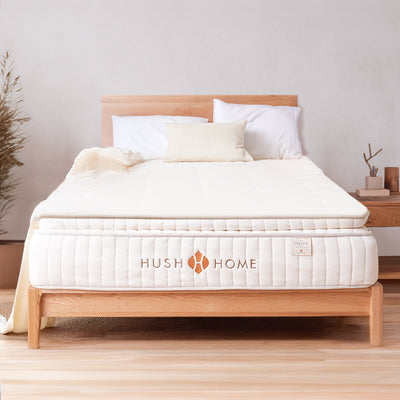
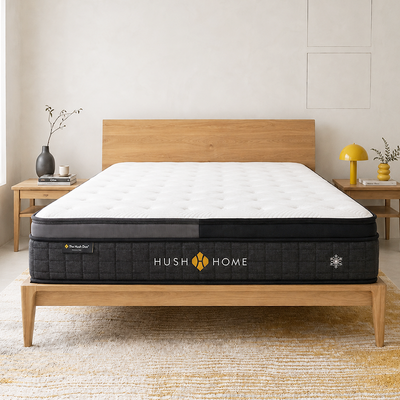
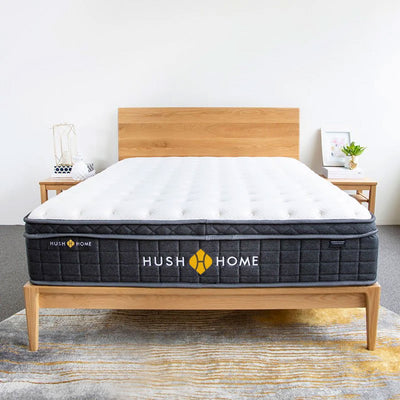
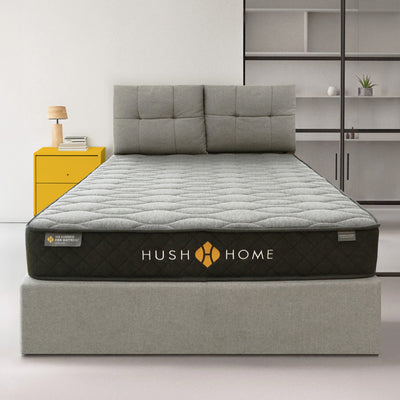
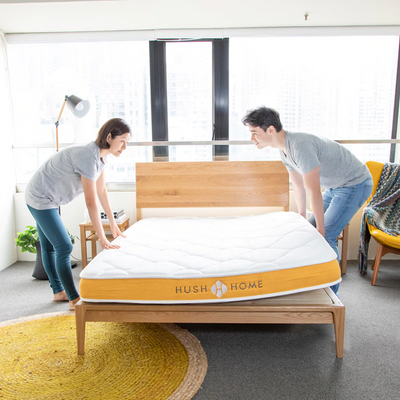
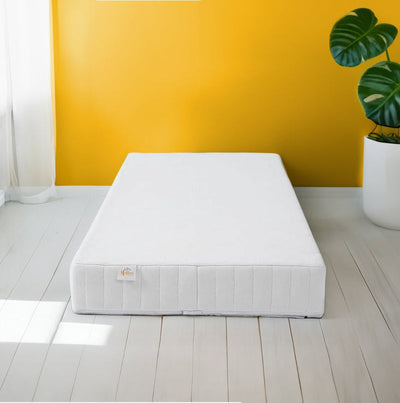
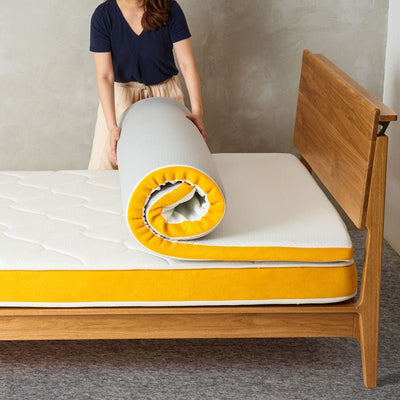
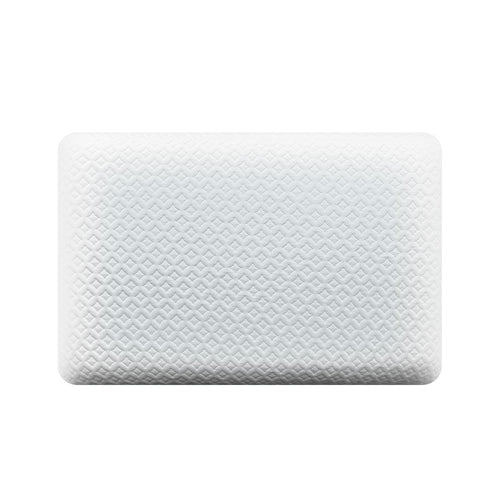
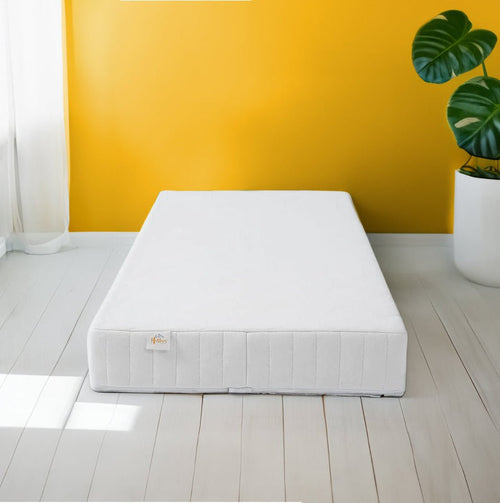
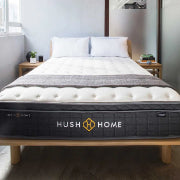
The Mattress: Traditional innerspring mattresses can sometimes act like a drum, echoing vibrations. A hybrid mattress with thick layers of high-density memory foam absorbs vibration and motion, creating a quieter sleep surface.
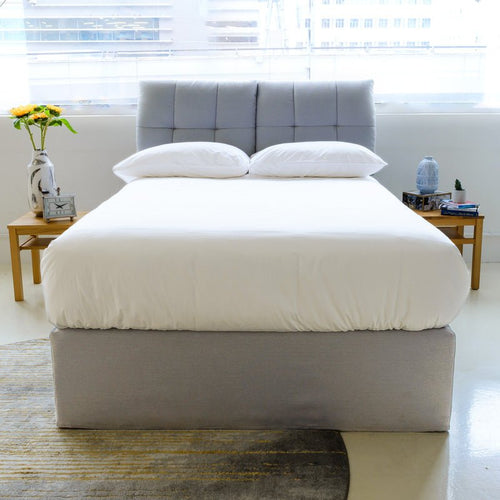
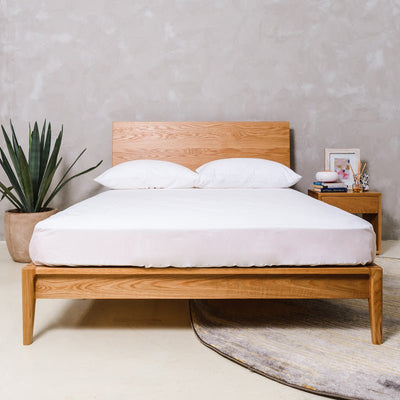
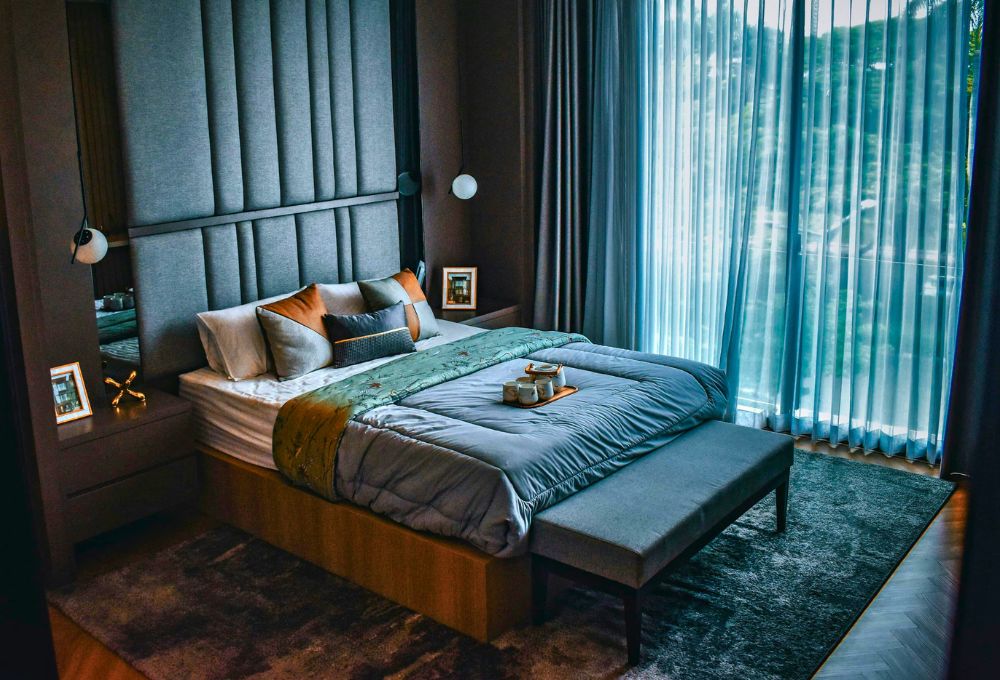
The Headboard: A plush, upholstered headboard isn't just for style—it acts as a giant acoustic panel right behind your ears, absorbing sounds that would otherwise bounce off the concrete wall behind you.
Hush Home Tip: Our upholstered hydraulic bed is designed with dense, high-quality padding. By placing one of these against a shared wall or a wall facing the street, you are adding a literal "sound sponge" to your sleep environment.
In a small HK bedroom, you don't have many options for where the bed goes, but a few centimeters can make a difference.
Tip 1: If your headboard is against a wall shared with a hallway or a noisy neighbor, try pulling the bed frame just 1 or 2 cm away from the wall. This small air gap breaks the direct "conduction" of vibrations through the wall into your pillow.
Tip 2: If you have the space, placing a bookshelf full of books against the loudest wall in your room is one of the oldest and most effective "DIY" soundproofing tricks—the dense paper acts as a perfect sound dampener.
You may not be able to stop the minibus driver from honking late at night, but you can control how that sound reaches your ears. By combining structural fixes like weatherstripping with soft, sound-absorbing elements like upholstered furniture and premium bedding, you turn your room from a concrete box into a quiet retreat.