












How to Stop Snoring? Evidence-Based Guide to Quieter Sleep
13 Aug 2026
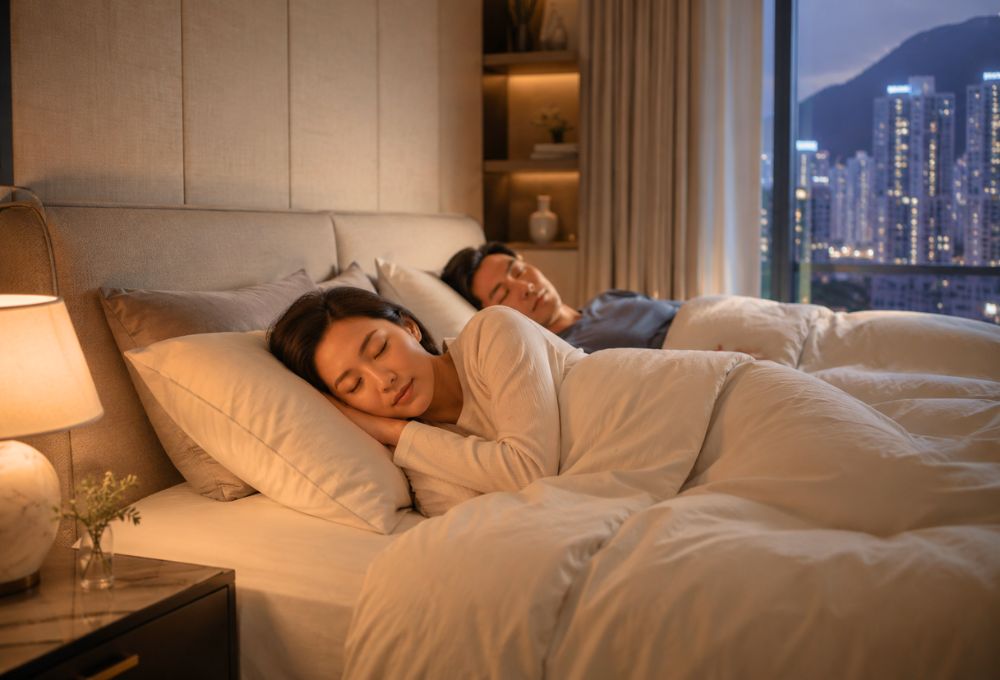
Snoring can often be reduced by addressing the factors that narrow or irritate your upper airway during sleep. If your snoring is worse on your back, side sleeping may help. Managing nasal congestion, avoiding alcohol close to bedtime, maintaining a healthy weight, and in some cases gently elevating the upper body may also improve symptoms.
An adjustable pillow can help you personalize head and neck support for your preferred sleeping position, but no pillow can treat every cause of snoring. Loud, frequent snoring accompanied by pauses in breathing, gasping, choking, or excessive daytime sleepiness should be assessed by a healthcare professional because these can be signs of obstructive sleep apnea.
Snoring by itself is common, but it can sometimes be a symptom of obstructive sleep apnea (OSA). According to the National Heart, Lung, and Blood Institute (NHLBI), warning signs can include breathing that repeatedly starts and stops during sleep, frequent loud snoring, gasping for air, and significant daytime sleepiness or tiredness.
If your partner notices breathing pauses, you wake choking or gasping, or tiredness is affecting your concentration and daily life, speak with a healthcare provider. A sleep study may be recommended when sleep apnea is suspected.
Snoring is the sound produced when airflow through the upper airway causes relaxed tissues in areas such as the soft palate, uvula, tongue, or throat to vibrate during sleep. The airway does not need to close completely; even partial narrowing can increase turbulence and make these tissues vibrate audibly.
When you fall asleep, the muscles that help keep the upper airway open naturally relax. For some people, anatomy, sleep position, nasal congestion, alcohol, body weight, or other factors make the airway more likely to narrow and create snoring.
Snoring is usually multifactorial rather than caused by one single problem. A Hong Kong community study of middle-aged Chinese men reported habitual snoring in 23% of respondents, illustrating how common the symptom can be locally. The right solution therefore depends on what is contributing to your own snoring.
For some sleepers, snoring becomes louder when lying on the back because gravity can encourage the tongue and surrounding soft tissues to move toward the back of the throat. This can narrow the upper airway and increase tissue vibration.
Research published in Sleep found that lateral sleeping reduced snoring time and intensity in many non-apneic snorers, although the effect was more variable among people with sleep apnea.
A blocked nose increases resistance to nasal breathing and may encourage mouth breathing during sleep. Allergic rhinitis, colds, structural nasal problems, and environmental irritants can all contribute to congestion.
Hong Kong's humid climate can also make bedroom moisture and allergen management especially relevant. Keeping bedding clean and controlling excessive dampness may support a more comfortable nasal environment, although environmental changes alone are not a guaranteed snoring treatment.
Alcohol can relax the muscles of the upper airway and make snoring worse in some people, particularly when consumed close to bedtime. Some sedating medicines may have similar effects. If you take prescription medication, do not change or stop it without medical advice.
Body weight can influence the amount of tissue surrounding the upper airway, while individual anatomy such as jaw position, tongue size, tonsils, and nasal structure can also affect airflow during sleep. This is one reason two people with similar lifestyles may have very different snoring patterns.
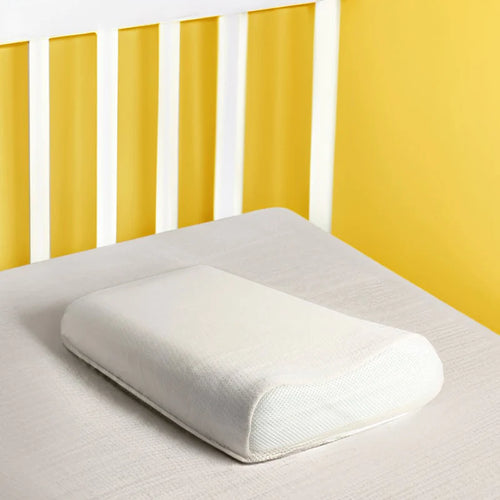
Pillow height is not a primary medical cause of snoring, but an unsuitable pillow can make it harder to maintain a comfortable head, neck, and sleeping position. A pillow that is too high or too low may feel awkward, especially for side or back sleepers, while an adjustable pillow lets you fine-tune support to your body and preferred position.
For mild or position-dependent snoring, practical changes to sleep position, nasal comfort, lifestyle, and bedroom setup may help. Persistent or severe snoring should still be medically assessed rather than managed with home remedies alone.
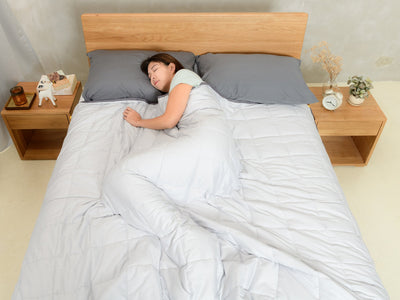
If your snoring clearly becomes worse when you lie on your back, changing to a lateral sleeping position may help reduce it. Positional therapy is most relevant for people whose snoring or sleep-disordered breathing changes substantially with body position.
Choose a pillow and mattress setup that makes side sleeping comfortable enough to maintain naturally. The goal is not to force your body into one position, but to make a helpful position easier to sustain.
Research on head-of-bed elevation has found improvements in airway collapsibility and sleep-disordered breathing in selected patients, but this research generally involves elevating the head and upper body rather than simply stacking pillows under the neck.
If you want to experiment with elevation for comfort, keep the neck supported and avoid forcing the chin sharply toward the chest. Anyone with suspected sleep apnea should discuss treatment options with a healthcare professional rather than relying on elevation alone.
If nasal congestion is contributing to mouth breathing or uncomfortable airflow, addressing the underlying cause can make nasal breathing easier. Saline sprays or rinses can help wash mucus and irritants from the nasal passages for some people, but evidence that saline alone stops snoring is limited.
Persistent congestion, chronic allergic symptoms, or suspected structural blockage should be discussed with a doctor or appropriate healthcare professional.
Avoiding alcohol close to bedtime may reduce snoring for some sleepers. Maintaining a healthy weight can also help when excess tissue around the upper airway is contributing to narrowing. Regular sleep habits and treatment of allergies or nasal conditions can be part of the broader plan.
In Hong Kong, keep the bedroom clean and comfortably ventilated, and avoid excessive dampness that encourages mold or dust mites. The goal is a comfortable sleep environment, not a specific humidity number that will automatically stop snoring.
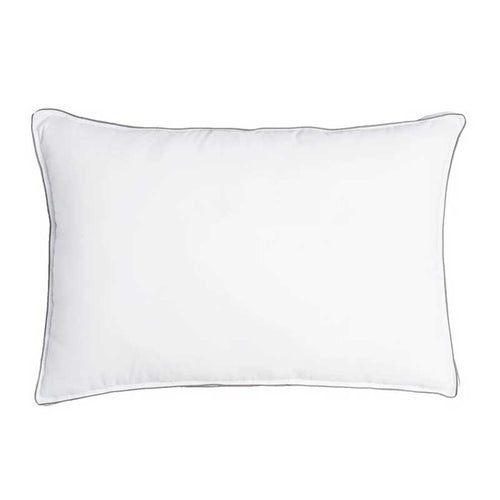
A pillow cannot treat every cause of snoring, but the right height and support may help some sleepers maintain a more comfortable side-sleeping or gently elevated position. Adjustable designs are useful because the ideal pillow height depends on your shoulder width, body size, mattress firmness, and sleeping position.
Rather than choosing a pillow because it promises to “stop snoring,” choose one that lets you fine-tune your sleep posture without creating uncomfortable neck flexion or extension.
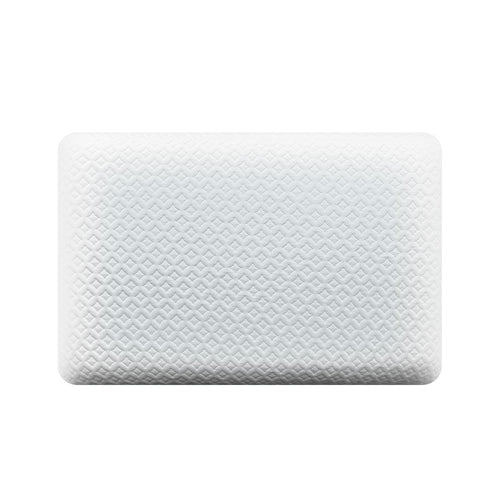
The Miracle Pillow™ is designed for sleepers who prefer conforming memory foam but want to personalize both height and feel. Its removable memory foam layers provide four height settings — 12, 14, 16, and 18 cm — while its two-sided design lets you choose between a softer microfiber feel and a firmer memory foam side.
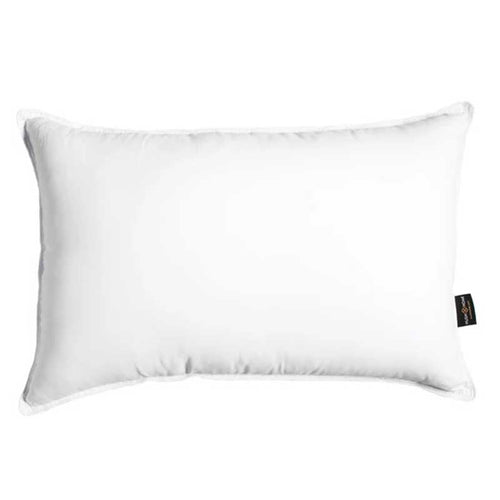
The OnePillow™ is designed for sleepers who prefer a soft hotel-pillow feel but still want adjustable height and support. Its middle chamber contains interlocking memory foam fill that can be added, removed, and fluffed to fine-tune the pillow to your preferred sleep position.
For snorers, the benefit of adjustability is not a guaranteed cure. It is the ability to test a more comfortable head and neck position, support side sleeping if that helps your symptoms, and adapt the pillow when your sleep preferences change.
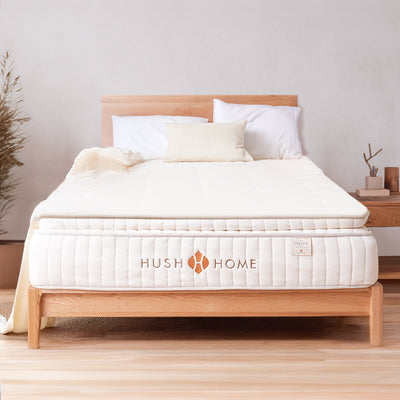
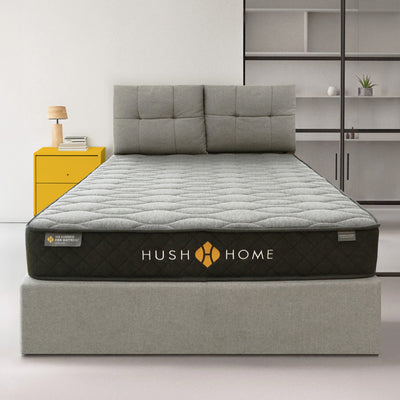
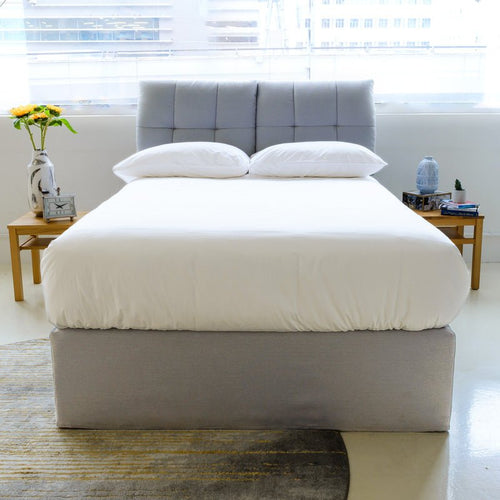
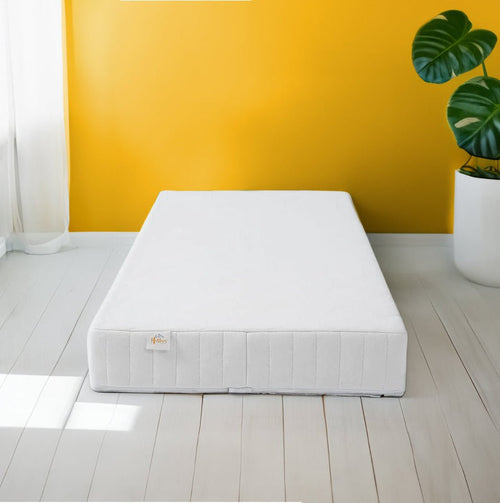
For sleepers who are sensitive to bedroom allergens, breathable and easy-to-maintain sleep materials may improve overall comfort. The Organic Mattress™ uses natural latex that Hush Home describes as naturally cooling, hypoallergenic, and resistant to mold, mildew, and bacteria — features that can be useful in Hong Kong's humid climate.
These material properties can support a cleaner sleep environment, but a mattress does not diagnose or treat snoring or sleep apnea.
A: Snoring is a sound caused by vibrating upper-airway tissues. Obstructive sleep apnea involves repeated episodes of partial or complete upper-airway obstruction that reduce or stop airflow during sleep. Snoring alone cannot confirm or rule out sleep apnea. Breathing pauses, gasping, choking, and significant daytime sleepiness are important warning signs that should be medically assessed.
A: It can help some people. Avoiding alcohol close to bedtime, maintaining a healthy weight, keeping regular sleep habits, and addressing allergies or nasal congestion may reduce factors that contribute to snoring. Results depend on the underlying cause.
A: There is no reliable timeline or guarantee that a new pillow will stop snoring. An adjustable pillow may help if sleep position or head-and-neck comfort is part of the problem, but persistent snoring can have causes that require medical assessment.
A: No. Side sleeping can help people whose snoring is position-dependent, especially when symptoms are worse on the back. It will not solve every cause of snoring, and the response can vary in people with sleep apnea.
A: There is no single pillow height that is best for every snorer. The right height depends on sleeping position, shoulder width, body size, and mattress firmness. Choose a height that feels supportive and keeps your head and neck comfortable rather than forcing the chin sharply toward the chest.
A: Saline can help rinse mucus and irritants from the nasal passages and may make nasal breathing more comfortable when congestion is present. However, saline alone is not a proven cure for snoring. Ask a healthcare professional for advice if nasal blockage is persistent or severe.
Snoring is common, but the best solution depends on why it happens. For some people, side sleeping, nasal care, lifestyle changes, a cleaner bedroom environment, or gentle upper-body elevation can help. An adjustable pillow can support a comfortable sleep position, but it should be viewed as part of a broader sleep setup rather than a guaranteed anti-snoring treatment.
If snoring is loud, frequent, or accompanied by breathing pauses, gasping, choking, or excessive daytime sleepiness, seek medical advice. Solving the underlying sleep-breathing problem matters more than simply making the bedroom quieter.