
如何清除床上用品的污漬?讓睡床回復清新的全方位指南
2026年2月13日
相信大家都經歷過這種令人崩潰的時刻:早上的咖啡還沒送到嘴邊就倒翻在床上,或者深夜坐在床上享用宵夜時留下了黃色油漬。在香港極為潮濕的氣候下,床上用品上的污漬不僅影響美觀——如果不及時處理,污漬更會鎖住空氣中的濕氣,成為細菌大量滋生的溫床。
好消息是,只要掌握好去污的「化學原理」,絕大多數的床上用品污漬都能被輕鬆搞定。以下是我們為你準備的專家級指南,助你將床單、被芯及枕頭完美回復到最潔淨、健康的狀態。
在你隨手抓起強力洗衣粉大範圍狂刷之前,請先牢記以下四條放諸四海皆準的去污鐵律:
速度決定一切:污漬在表面停留的時間越長,就越容易與布料纖維緊密結合。一發現意外,請務必立即處理。
用點壓吸附,切勿大力揉搓: 來回擦拭會像推土機一樣將污漬推得更深。請始終使用乾淨的白布或高密度廚房紙巾,以「垂直向下點壓」的方式吸走表面液體。
堅持使用冷水: 高溫會「煮熟」蛋白質。如果在血漬或汗漬上使用熱水,污漬將會永久凝固在布料纖維中,再也無法洗淨。。
先進行局部測試: 如果你使用的是高檔的有機純棉床單,在塗抹任何 DIY 清潔劑之前,請先在床單邊角不起眼的小角落進行測試,確保不會導致面料褪色。
血漬屬於蛋白質類污漬,高溫會導致這些蛋白質與織物牢固結合。
去污對策: 先將受污染的布料浸泡在冷水中 30 分鐘。
終極秘密武器: 雙氧水(Hydrogen Peroxide)。在血漬處輕點少量雙氧水,當它開始分解血液成分時,表面會產生白色起泡的化學反應。雙氧水在香港本地的藥房非常容易買到。
如果如果你需要到社區藥房尋找,可以直接向藥劑師索取「雙氧水」;此外,在 萬寧 或屈臣氏等大型連鎖店的醫用護理專區也能輕鬆購得。。
早晨提神飲品中的單寧酸對天然纖維來說就像染料一樣,具有超強的著色力。
去污對策: 將清水與白醋以 2:1 的比例混合倒入噴霧瓶中。
執行步驟: 將白醋水噴灑在污漬區域並靜置 10 分鐘。如果黃色印記依然頑固,可用小蘇打粉加少許水調成糊狀塗抹在污漬上,最後用冷水徹底沖洗乾淨。
無論是夜間塗抹的高保養面霜、護膚精華油,還是坐在床上吃點心留下的碎屑油漬,對付油脂必須使用強效去油劑。
去污對策: 使用透明洗潔精。
執行步驟: 在乾燥的污漬上直接滴上一滴日常洗潔精。用大拇指由外向內輕輕打圈揉開,讓其靜置 15 分鐘充分分解油分子,最後丟進洗衣機進行常規冷水洗滌。
對付天然植物色素,利用酸性溶液中和是最佳的物理妙招。
執行步驟: 一發生傾倒請立即用乾布點壓吸乾,防止液體向四面八方擴散。
執行步驟: 一發生傾倒請立即用乾布點壓吸乾,防止液體向四面八方擴散。
去污妙計: 如果是倒翻紅酒,在清洗前可以先在濕潤的污漬上撒上大量食鹽或小蘇打粉,利用其強大的物理吸水特性將紅酒色素強力吸出。
隨着時間推移,人體分泌的皮脂與汗液會導致白色床單逐漸發黃老化。這在香港悶熱潮濕的夏天尤為常見。
污對策: 使用非氯系的過碳酸鈉漂白劑(即氧系漂白劑,Oxygen Bleach)。
執行步驟: 將發黃的床上用品浸泡在混有氧系漂白粉的溫水盆中至少一小時,然後再放入洗衣機進行正常洗滌。請絕對要避免使用傳統的氯系漂白水,因為氯成分與人體汗液中的蛋白質產生化學反應後,反而會讓床單越洗越黃!
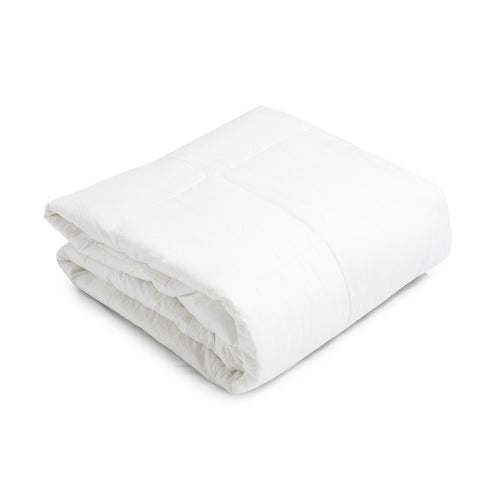
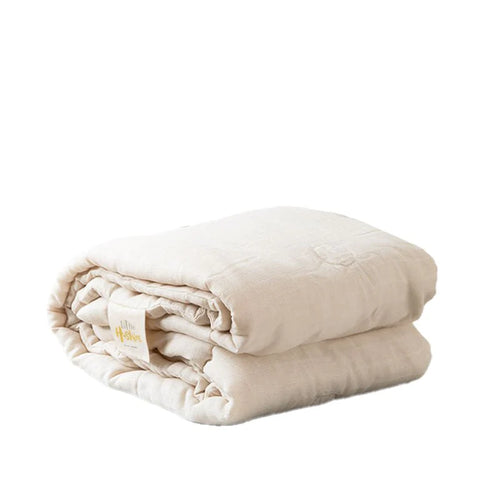
拆除被袋獨立洗滌: 先將被袋拆下,與內層被芯分開清洗。
局部針對性去污: 若被芯本體不慎沾上污漬,請使用中性洗潔精或白醋進行局部點補清潔(Spot-treat),避免整條大面積水洗而破壞內層的填充結構。
遵循官方指引:針對 Hush Home 全年四季被™ (All-Season Duvet™),請嚴格參照隨被附上的 官方洗滌與護理說明。明。
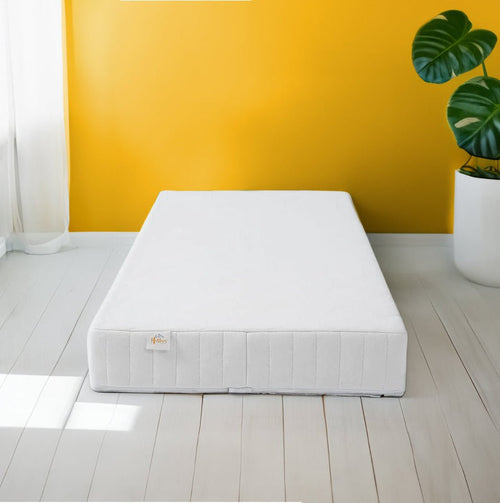
深層床褥保養: 如需了解更全面的床褥去污、防霉或防塵蟎技巧,歡迎查閱我們的 專業指南:如何徹底清潔床褥。
遵循官方指引:針對 Hush Home 全年四季被™ (All-Season Duvet™),請嚴格參照隨被附上的 官方洗滌與護理說明。明。
總結: 在你家中的洗衣房常備以下四款平價又高效的家居去污法寶,面對任何突發髒污都能游刃有餘:
白醋 : 專治茶漬、咖啡漬,並具備優秀的天然除臭與去味功能。
小蘇打粉: 用於物理性強力吸附表面油脂與殘留的內部濕氣。
雙氧水: 專克血漬、黃斑及其他有機蛋白質污漬。
洗潔精: 瓦解食物油脂、宵夜殘渣及高滋潤度護膚精華油垢的神器。