






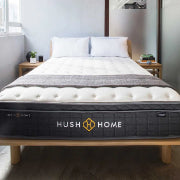
In Hong Kong, there is a long-standing belief that a "hard" bed is the only way to protect your back. However, modern sleep science tells a more nuanced story. There is a significant difference between a mattress that is simply hard and one that is orthopedically firm.

Choosing the right firmness is a balance between spinal alignment and pressure relief. While plush mattresses look inviting in advertisements, a firmer surface is often the secret to waking up without that nagging lower back pain.

Benefits of a Firm Mattress


1. Optimal Spinal Alignment

The primary job of a mattress is to keep your spine in a neutral position—just as it is when you are standing with good posture. A firm mattress provides the structural resistance needed to prevent your hips from sinking deeper than your shoulders (the "hammock effect"), which is a leading cause of morning back stiffness.

2. Deep Pressure Relief for Joints

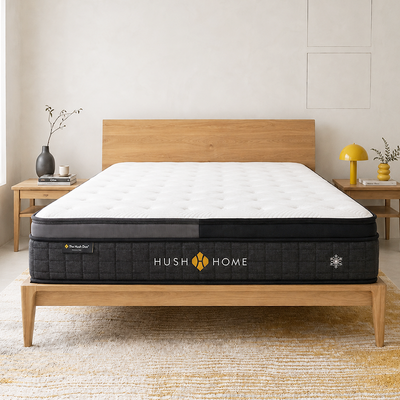
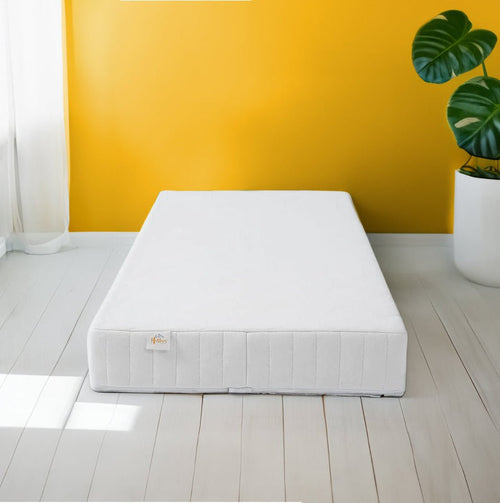
High-quality firm mattresses, like the Essence Firm Mattress, use high-density foam layers. This allows the mattress to support your weight without excessive "sinking," reducing the strain on your lower back and neck.

3. Ideal for Heavier Individuals

Heavier people often prefer firmer mattresses because softer mattresses may sag too much under their weight, reducing comfort and support. Firm mattresses provide a stable surface that prevents excessive sinking.

For sleepers over 80–90kg, a firm mattress provides a stable, durable surface that maintains its shape and support for years longer than softer alternatives.

4. Suitable for Most Sleeping Positions

Firm mattresses generally accommodate a variety of sleeping positions, including back and stomach sleepers, who benefit most from a surface that keeps their hips aligned with their shoulders and knees. This alignment prevents the "hammock effect" where hips sink too low, causing lower back pain.

5. Potentially Cooler Sleep

When you "sink" into a soft memory foam mattress, the material hugs your body, trapping heat. Because you stay "on top" of a firm mattress, there is more surface area exposed to the air. This improves airflow—a must-have feature for surviving Hong Kong’s humid summers.

Potential Drawbacks


✘ Not Ideal for Side Sleepers

The rigid surface can concentrate pressure on shoulders and hips, causing numbness or pain. Side sleepers under 59 kg are especially vulnerable.

✘ Long Adjustment Period

Switching to a firm mattress can initially feel uncomfortable, especially if you are used to a softer bed. Your body may take days or weeks to adapt to the increased support and reduced cushioning.

✘ Potential for Discomfort if it’s Too Firm

An excessively firm mattress can cause neck, shoulder, hip, or joint pain due to insufficient cushioning and contouring. It may also disrupt sleep by causing frequent waking or difficulty falling asleep.

Is a Firm Mattress Right for Your Sleeping Position?


Back Sleepers:
Yes. This is the ideal firmness for you. It supports the natural curve of your lower spine perfectly.

Stomach Sleepers: Highly Recommended. A firm surface keeps your hips elevated, preventing your lower back from arching painfully overnight.

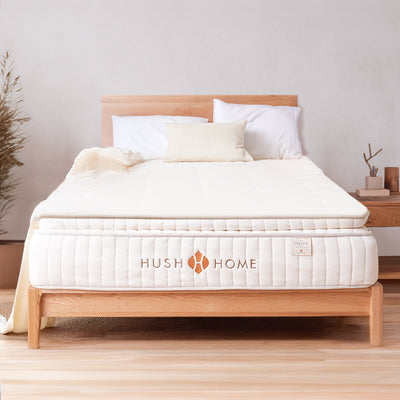
Side Sleepers: Proceed with Caution. If you are a side sleeper under 60kg, a firm mattress might be too rigid for your shoulders and hips. However, if you have broader shoulders or prefer a firm feel, look for a "Medium-Firm" compromise, such as the Organic Mattress

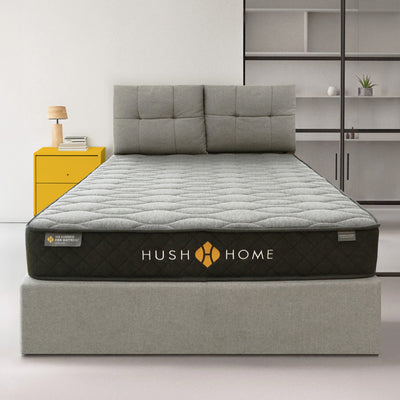
The "Hush Home" Difference: Essence Firm

Most firm mattresses in the market feel like sleeping on a wooden board. We designed the Essence Firm Mattress to be different.

By combining zoned pocket springs (which provide targeted support where you are heaviest) with high-density, breathable comfort foam, we created a mattress that feels solid and supportive but still contours to your body’s unique shapes.

常見問題


Are firm mattresses good for back pain?

Yes, specifically for "mechanical" back pain caused by poor posture. By keeping the spine neutral, a firm mattress allows your back muscles to fully relax and recover overnight.

How long is the adjustment period?
It usually takes 14 to 30 nights for your body to adjust to a new firmness level. You may feel slight muscle soreness in the first week as your spine moves back into its correct alignment—this is a sign that the mattress is doing its job!

What is the difference between "Firm" and "Extra Firm"?
Firm (7-8 out of 10): The sweet spot for most HK sleepers. Supportive but with enough "give" for comfort.

Extra Firm (9-10 out of 10): Usually reserved for very heavy individuals or those specifically instructed by a doctor to sleep on a rigid surface.

Can side sleepers use firm mattresses?
Only if they have broad shoulders or higher body weight (>59 kg). Most benefit from medium-firm options.

What’s "too firm"?
If you experience numbness, persistent pain, or frequent waking after 4 weeks, the mattress is likely too rigid.

What is the best mattress firmness for heavier individuals?
Medium-firm to firm (6.5–8/10 on the firmness scale). Avoid plush tops that compress excessively.

The Verdict: Should You Switch?

If you wake up with a dull ache in your lower back, or if you feel like you are "stuck" in your current mattress when you try to turn over, it’s time to go firmer.

A firm mattress benefits back/stomach sleepers, heavier individuals, and those with back pain—but may hinder side sleepers or lightweight users. Prioritize models with zoned support and cooling features, like Hush Home’s Essence Firm Mattress, to balance firmness and comfort.

Ready to feel the difference? Visit our showrooms to take the "Firmness Test" yourself.