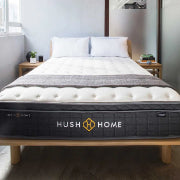
In the fast-paced environment of Hong Kong, "switching off" at night can feel impossible. When your mind is racing, your body often follows suit with tense shoulders and a high heart rate.
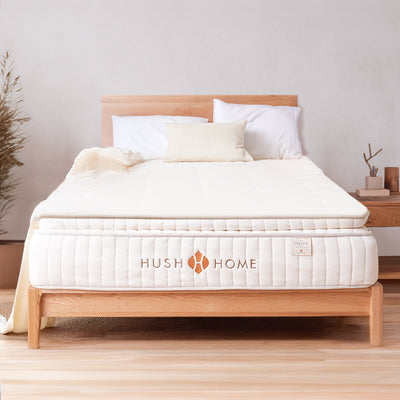
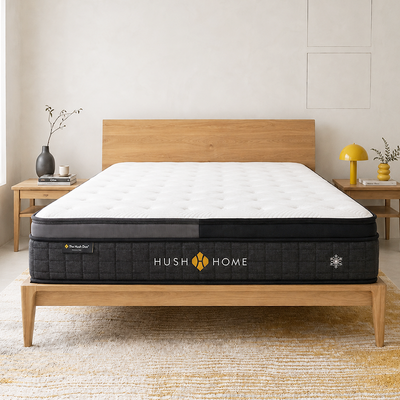
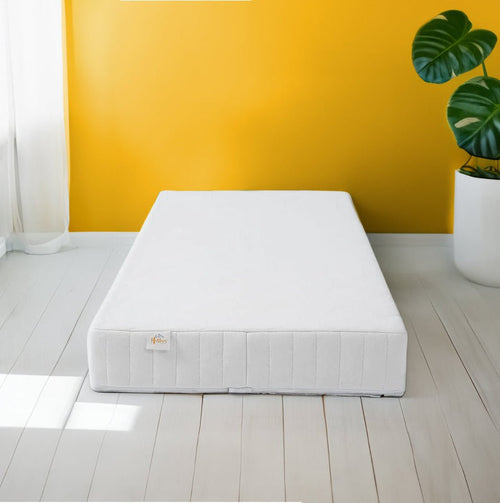
While your Hush Home mattress provides the physical support you need, massage therapy acts as the neurological "off switch." By activating the parasympathetic nervous system, massage reduces the stress hormone cortisol and boosts serotonin—the direct precursor to melatonin.
Swedish massage is the gold standard for full-body relaxation. It uses five styles of long, flowing strokes to improve circulation and ease muscle tension.
How it works: It stimulates the "rest and digest" system, lowering your heart rate and blood pressure.
The Science: Research suggests that just 10–12 minutes of gentle strokes on the back and neck can significantly reduce "sleep latency" (the time it takes to fall asleep).
Self-Care Tip: Use a small amount of lavender oil and use long, sweeping motions from your wrists up to your shoulders.
Reflexology is based on the idea that specific points on the feet correspond to different systems in the body. In a city like Hong Kong where we spend all day on our feet, this is particularly effective.
Key Reflexology Points:
The Great Rushing / Taichong (LV3): Located on the top of the foot between the big toe and second toe. Massaging this helps with anxiety and "racing thoughts."
Bubbling Spring (K1): A small depression in the center of the upper sole of your foot. This is the primary point for grounding energy and inducing sleep.

The Science: Clinical trials have shown that foot massage before bed improves sleep quality even in high-stress environments like hospitals. A systematic review of randomized controlled trials found that foot reflexology massage over 2 consecutive nights significantly improved subjective sleep quality in critically ill patients.
實用建議
Spend 5 to 10 minutes massaging each foot before bedtime. Use your thumbs to apply firm but gentle pressure in circular motions on the soles, focusing on key points associated with relaxation. This technique can be combined with deep breathing exercises to enhance its calming effects.
Unlike a full massage, acupressure involves holding firm pressure on specific "gates" in the body to regulate energy flow.
Spirit Gate (HT7): Located on the inner wrist crease, in line with the pinky finger. Firmly pressing this point for 2 minutes can quiet a restless mind.
Inner Frontier Gate (PC6): Located about three finger-widths up from your inner wrist. This point is famous for reducing the "nausea" of exhaustion and calming the heart.

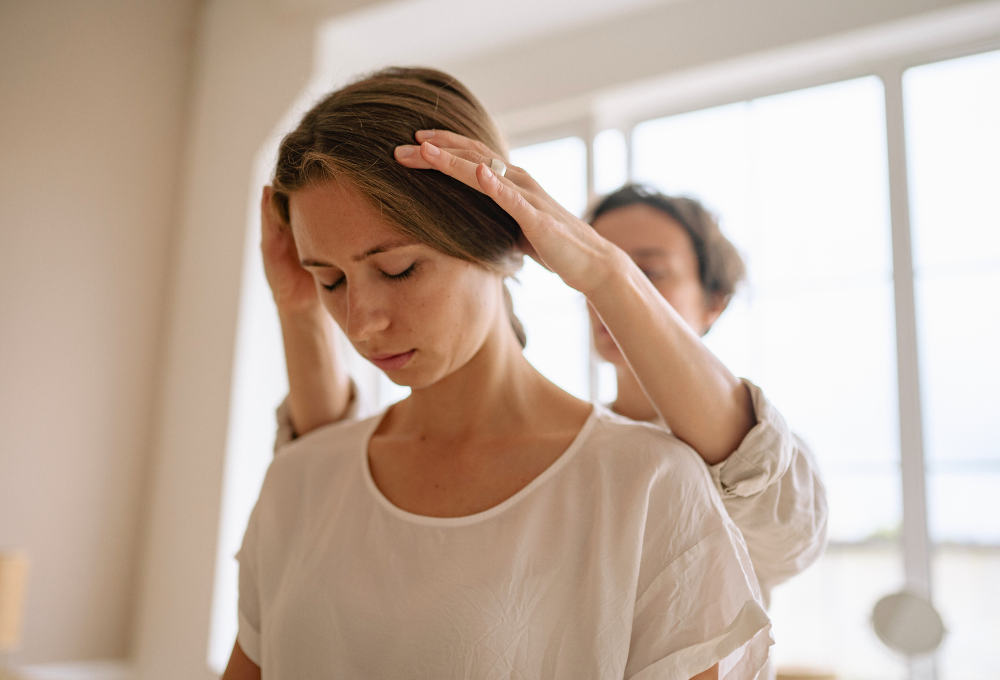
Much of our daily tension is held in the jaw and the tiny muscles around the eyes.
The Technique: Use your fingertips to make slow, circular motions at your temples and the base of your skull (the occipital ridge).
Why it works: This area is rich in nerve endings. Releasing tension here signals to the brain that the "work day" is officially over.
Consistency: Aim for 3–4 sessions weekly. Even biweekly yields benefits.
Timing: 60 minutes pre-bed aligns with natural melatonin rise.
Environment: Perform in a cool, dark space. Optimize comfort with supportive bedding.
Complementary Practices:
Pair with breathwork (4–7–8 technique).
Avoid screens 90 minutes pre-massage.
Maintain a consistent sleep schedule.
To get the most out of these techniques, you need to create the right environment.
The 60-Minute Rule: Practice your chosen technique about one hour before bed. This aligns with your body's natural melatonin rise.
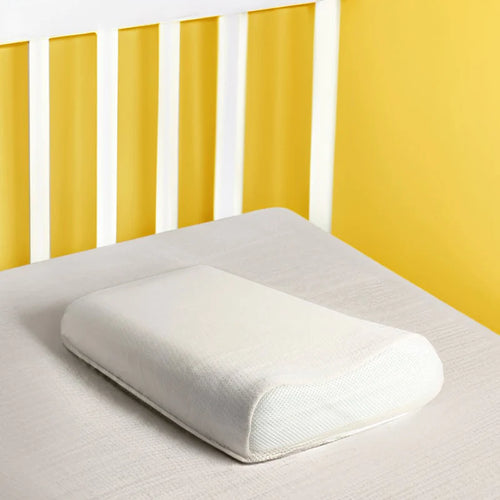
Optimize Your Support: Perform self-massage while propped up against a supportive pillow. If your spine isn't aligned while you're massaging your feet, you’re simply trading one tension for another.
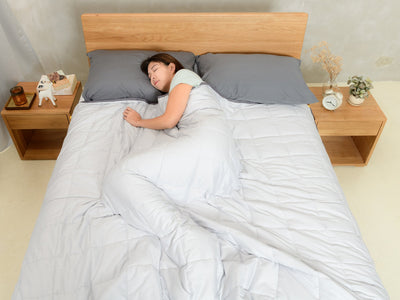
Temperature Control: Massage increases blood flow, which can make you feel warm. Ensure you are sleeping on breathable, cooling sheets so that your body temperature can drop back down for deep sleep.
The "Hush" Environment: Dim the lights, put away your phone, and let the physical sensation of the massage be your only focus.
Complementary practices include pair this with breathwork (such as the 4-7-8 technique), and avoiding sleep
To maximize the sleep benefits of massage:
Schedule massage sessions regularly, ideally in the evening or about an hour before bedtime.
Combine massage with other sleep hygiene practices such as a cool, dark bedroom, limiting screen time, and maintaining a consistent sleep schedule.
Experiment with different techniques to find what best suits your needs and preferences.
Consider professional massages for deeper relaxation or learn self-massage methods for convenience.
Massage therapy offers a natural, non-invasive approach to improving sleep quality and reducing the time it takes to fall asleep. Swedish massage promotes overall relaxation, foot reflexology targets pressure points to calm the nervous system, and acupressure/shiatsu balances energy flow to ease sleep onset. Backed by scientific research, these techniques can be valuable tools in your sleep wellness.