





















Sleep Paralysis / 鬼壓床: What It Is and Why It Happens
11 Sep 2026
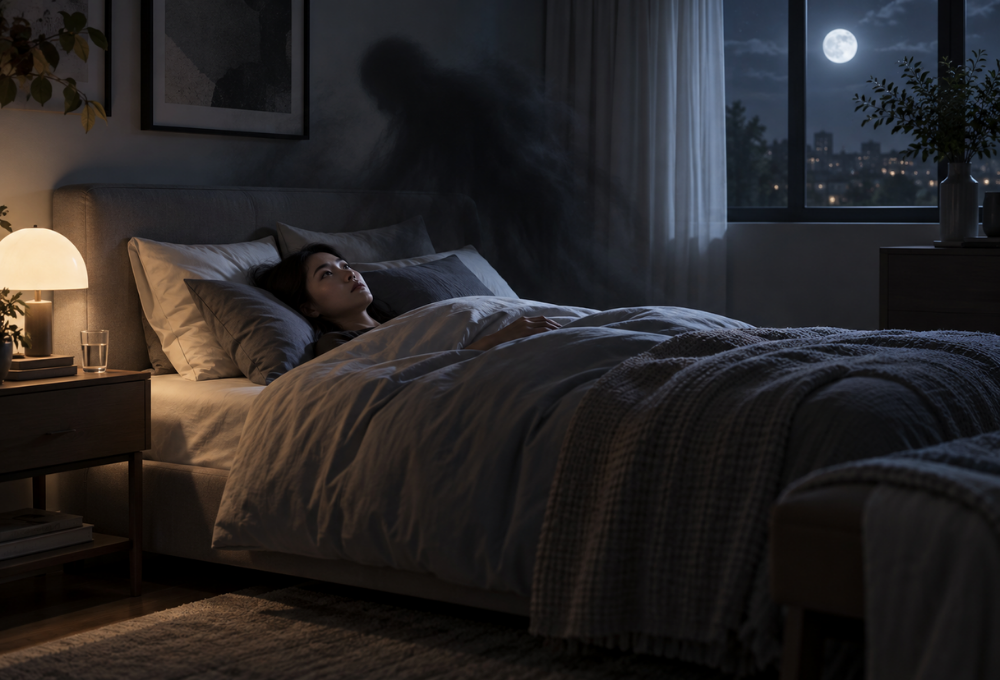
Sleep paralysis is a brief period when you feel awake but cannot move or speak as you fall asleep or wake up. In Hong Kong, it is commonly called 鬼壓床. The experience can be frightening, especially if it comes with a sense that someone is nearby, but it has a recognised explanation involving the transition between sleep and wakefulness. [1]
A typical isolated episode is temporary and usually not physically harmful. Repeated episodes, fear of going to bed or significant daytime sleepiness are reasons to speak with a healthcare professional. Understanding what is happening can help you respond without assuming the worst. [1]
KEY TAKEAWAY
Sleep paralysis involves an overlap between awareness and the muscle relaxation of REM sleep. Protecting a regular sleep routine may help reduce episodes, while frequent or distressing symptoms deserve assessment. A mattress, pillow or weighted blanket is not an established treatment.
Sleep includes non-REM and rapid eye movement, or REM, phases. During REM sleep, the brain is active and most voluntary muscles become very relaxed. This normal reduction in muscle activity helps prevent you from physically acting out dreams. [2]
With sleep paralysis, awareness and that muscle state briefly overlap. You may recognise the room and want to move, while movement has not yet returned normally. Episodes can occur both when waking and when falling asleep; the experience is not limited to waking in the middle of the night. [3]
This is different from simply having a bad dream. The feature that makes sleep paralysis distinctive is the temporary inability to move or speak at the boundary of sleep and waking. Remembering a frightening dream alone does not establish that you had sleep paralysis.
Dream-like sensations can accompany sleep paralysis. You might sense a presence, hear something or feel pressure on your body. These experiences can seem convincing because you also feel aware of your actual surroundings. They are described in medical guidance and do not require a supernatural explanation. [1] [3]
The term 鬼壓床 captures how unsettling the experience can feel. Taking the fear seriously does not mean accepting that a ghost is responsible. If you are reassuring a partner or family member, explain the sleep mechanism calmly rather than teasing them or arguing about what they thought they saw.
Breathing continues during typical sleep paralysis, even though chest pressure or fear can make it feel uncomfortable. Cleveland Clinic notes that a person can still breathe and move their eyes. Persistent breathing difficulty after you are fully awake should not be dismissed as sleep paralysis and needs urgent medical attention. [4]
The exact reason an episode occurs is not always clear. Insufficient sleep, irregular sleep schedules, stress and sleeping on the back have been linked with sleep paralysis. These are associations, not proof that one late night or one sleeping position will inevitably cause it. [3]
For someone working changing shifts or travelling across time zones, the useful clue may be a disrupted routine rather than the bedroom itself. Record whether episodes cluster around unusually short nights, stressful periods or changes in sleeping hours. A pattern is more useful to discuss with a clinician than trying to identify a single “wrong” object in the room.
No. Sleep paralysis can occur on its own. Narcolepsy is a separate sleep disorder that can include excessive daytime sleepiness, sudden sleep attacks and, in some people, sudden muscle weakness triggered by emotions such as laughter. Sleep paralysis alone does not diagnose it. [3] [5]
If you struggle to stay awake during ordinary activities or experience sudden loss of muscle control while awake, tell a doctor about those symptoms as well as the night-time episodes. Do not assume they are all part of a harmless experience. [5]
There is no guaranteed technique that instantly ends every episode. If you recognise the experience, try reminding yourself that it is temporary. Focus on breathing as comfortably as you can, rather than forcing a large movement or holding your breath. Treat this as a way to manage fear, not a proven cure.
Some people find it helpful to focus on a small movement, such as moving a finger. It may help you come out of an episode, but there is no need to panic if it does not work. Once movement returns, take a moment to settle before deciding whether you are ready to sleep again. [4]
If a partner knows you sometimes experience sleep paralysis, you can discuss in advance how you would like reassurance. Talking gently or a light touch may help someone wake fully. Do not shake, restrain or frighten them in an attempt to “break” the episode. [4]
Give yourself a regular opportunity for enough sleep. The NHS suggests a consistent bedtime and waking time and, for adults, around seven to nine hours of sleep. If your episodes tend to happen while lying on your back, trying a comfortable side-sleeping position may be reasonable. Neither change guarantees prevention. [1]
Make the routine specific: decide when work messages end, leave time to wind down, and arrange a dark, quiet space for rest. In a shared Hong Kong home, agreeing on light and noise around bedtime may be more practical than trying to create a completely different bedroom.
If anxiety, trauma-related symptoms or insomnia are affecting your sleep, seek support for those problems too. Reducing episodes is not simply a matter of willpower. Do not start, stop or change medication on your own because you suspect it is involved.
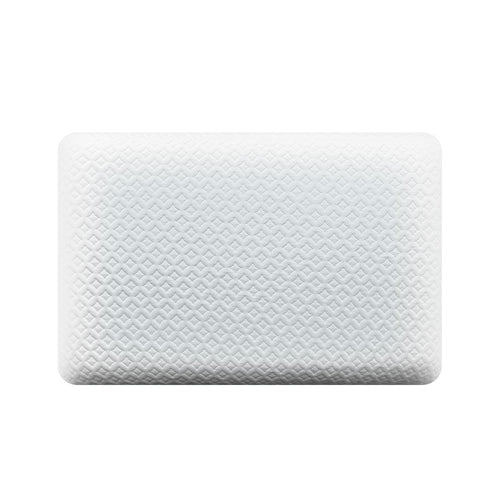
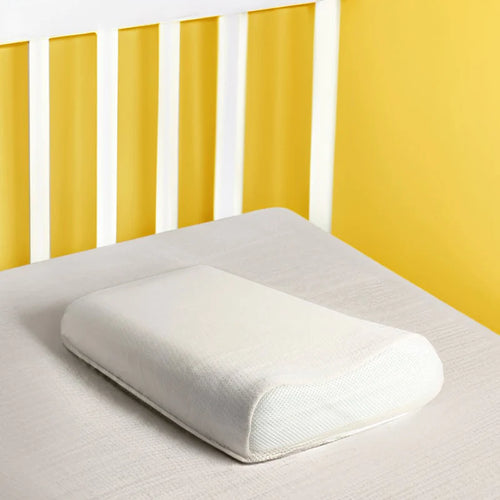
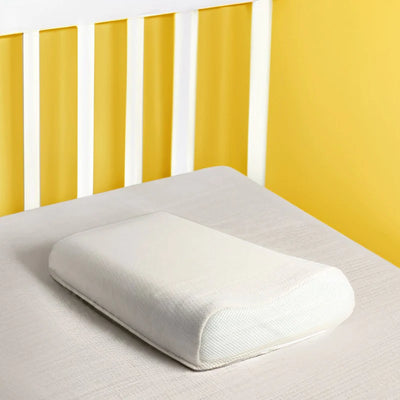
Bedding can support comfort when you adjust your sleep position, but it does not treat the REM-wake overlap itself. For adults who want to try a different pillow height, our Miracle Pillow™ has removable layers for adjusting height and firmness. Its role here is comfort and fit, not preventing sleep paralysis. [7]
Arrange an assessment if episodes recur, make you afraid to sleep or leave you persistently tired. Mention daytime sleep attacks, emotion-triggered muscle weakness, or loud snoring with breathing pauses and gasping. These details help a clinician decide whether another sleep disorder needs investigation. [1] [5] [6]
Urgent warning: New facial drooping, one-sided weakness or difficulty speaking after waking should not be assumed to be sleep paralysis. These can be stroke warning signs. Call 999 in Hong Kong immediately, even if the symptoms improve. [8]
A useful note for the appointment includes when episodes occur, approximately how long they last, your sleep position, recent sleep hours and any medicines or substances you use. Not everyone needs a sleep study; the clinician will decide based on the full picture. [3]
Usually seconds to a few minutes, although it can feel longer while you are frightened. Ongoing weakness after you are fully awake is not something to assume is a typical episode; seek medical advice promptly. [3]
No. The experience varies. Some people mainly notice that they cannot move, while others have vivid dream-like sensations. A frightening presence is not required for an episode to be sleep paralysis.
Usually not. An occasional episode may not require treatment. Frequent or distressing symptoms should be assessed, with treatment directed at relevant sleep or health problems rather than self-medication. [3]
鬼壓床 can feel deeply unsettling, but you do not have to face it without an explanation or support. Learn to recognise the pattern, protect time for regular sleep and seek help when it affects your life. A comfortable bedroom can support rest; understanding your symptoms is what guides the next step.