












What Is Oversleeping and Is It Bad for You?
18 Aug 2026
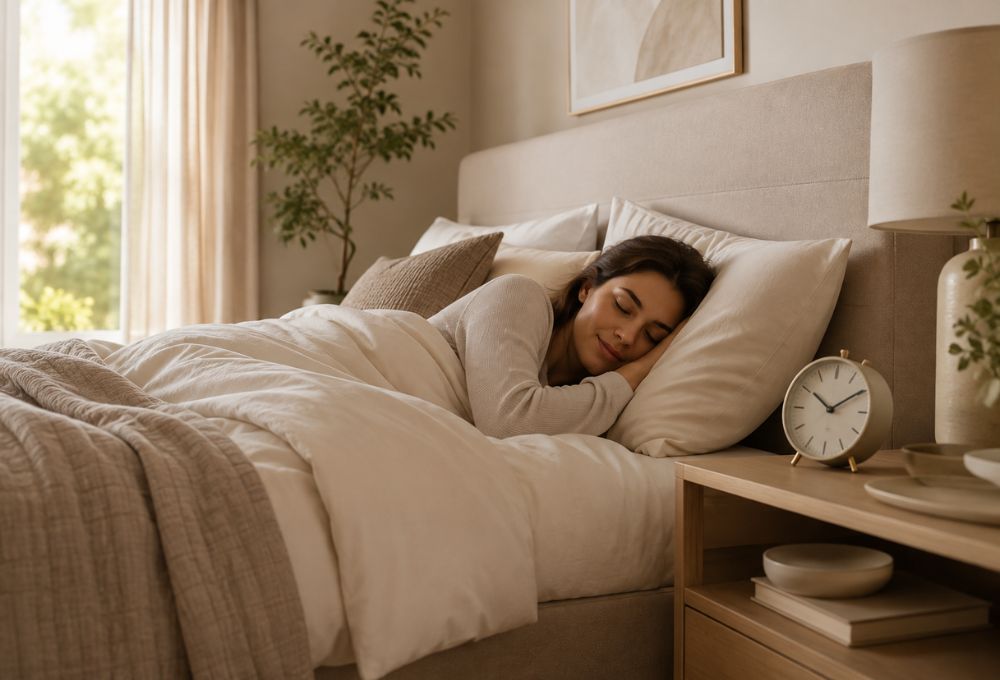
Oversleeping generally means sleeping longer than your usual need on a regular basis, especially when you still wake up unrefreshed or feel excessively sleepy during the day. However, sleeping more than nine hours is not automatically unhealthy and is not, by itself, a diagnosis of hypersomnia.
For healthy adults, the American Academy of Sleep Medicine recommends at least seven hours of sleep per night on a regular basis. It does not set a strict upper limit because more than nine hours can be appropriate for some young adults, people recovering from sleep debt, and people who are ill. The more useful question is whether your sleep is refreshing, regular and compatible with good daytime function.
KEY TAKEAWAY
Sleeping longer than nine hours is not automatically harmful. Persistent long sleep combined with unrefreshing sleep, excessive daytime sleepiness, loud snoring, breathing pauses or difficulty functioning is more important than the number of hours alone and may warrant medical assessment.
There is no single universal number that defines oversleeping for every adult. Sleep need varies with age, health, recent sleep loss, pregnancy, physical activity and individual biology. For many adults, seven to nine hours is a useful reference range, but some people naturally need more.
A pattern is more concerning when you regularly sleep nine, ten or more hours and still struggle to wake up, remain sleepy throughout the day, take long unrefreshing naps or find that sleepiness affects work, study, driving or daily activities.
Hypersomnia is a medical condition, not simply another word for sleeping more than nine hours.
Idiopathic hypersomnia, for example, is a neurological sleep disorder in which people can experience severe daytime sleepiness despite a full or very long night's sleep, often with difficulty waking and unrefreshing naps. Diagnosis requires medical assessment and exclusion of other causes.
Long sleep duration has been associated in observational studies with conditions such as cardiovascular disease, diabetes, obesity, depression and poorer overall health. But an association does not prove that extra sleep directly causes these conditions.
In many cases, long sleep may be a signal rather than the cause. An underlying illness, depression, sleep apnea, medication, chronic pain, insufficient sleep on previous days or another sleep disorder can increase the amount of time a person spends asleep or in bed.
This is why persistent oversleeping is best viewed as a pattern to investigate rather than a health problem defined by one number.
Some people feel worse after sleeping much later than usual. One explanation is sleep inertia: the temporary grogginess, slower thinking and reduced alertness that can occur after waking.
Its severity depends on factors such as sleep stage, prior sleep loss, circadian timing and how abruptly you wake up, so it cannot be blamed on oversleeping alone.
Sleeping longer than usual can coincide with morning headaches in some people, but the mechanism is not as simple as “too much sleep changes serotonin and causes vascular inflammation.”
Morning headaches can also be related to dehydration, caffeine withdrawal, migraine, teeth grinding or sleep apnea. Recurrent morning headaches should therefore be considered in context rather than assumed to be caused by long sleep.
Long sleep and depression often occur together, but the relationship can run in both directions.
Depression may increase time spent in bed or change sleep patterns, while disrupted and irregular sleep can also affect mood and daytime functioning. Persistent changes in sleep accompanied by low mood, loss of interest or difficulty functioning deserve professional attention.
Research has found statistical links between long sleep and cardiovascular or metabolic conditions. These findings are important, but they should not be interpreted as proof that simply reducing a long sleeper's time in bed will lower disease risk.
Age, activity level, inflammation, medical conditions, depression and sleep disorders may all contribute to the association.
Long sleep can have many causes, and sometimes more than one factor is involved.
A mattress can affect comfort, temperature and how often discomfort wakes you during the night. If a mattress is badly sagging or creates pressure discomfort, replacing it may improve the sleep environment.
However, there is not good evidence that an unsupportive mattress directly causes a medical pattern of oversleeping or hypersomnia.
If a medical problem is not driving the excessive sleep, improving sleep regularity and daytime habits can help you understand your natural sleep need more clearly.
Aim to get up at roughly the same time each day, including weekends, while still allowing enough total sleep.
Natural light during the day, especially earlier in your waking period, helps support circadian timing and daytime alertness.
Record bedtime, estimated sleep time, wake time, naps, caffeine, alcohol and how refreshed you feel.
Short-term catch-up sleep can help, but repeatedly shifting your wake time by several hours may make your schedule less stable.
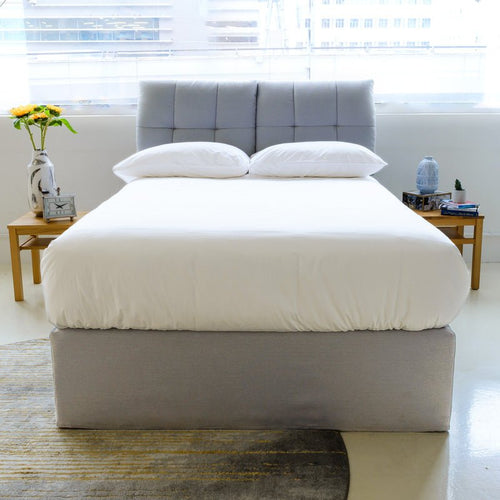
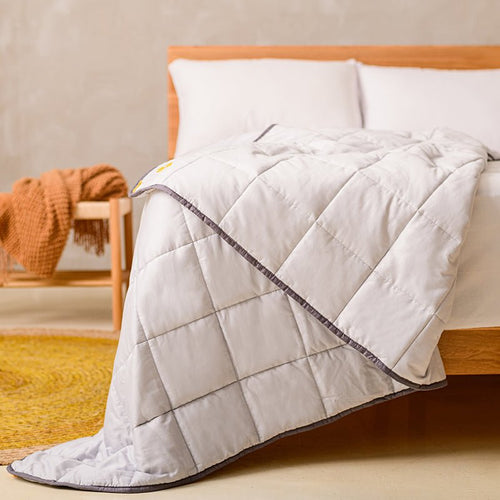
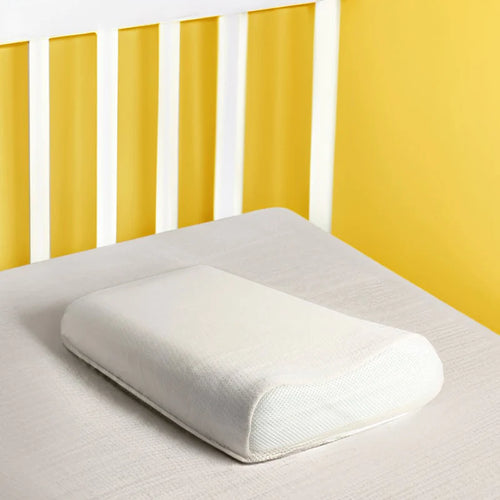
A supportive sleep surface and comfortable bedding can reduce avoidable discomfort and support a better sleep environment.
Aim to get up at roughly the same time each day, including weekends, while still allowing enough total sleep. Consistency helps reinforce the sleep-wake rhythm; it should not mean deliberately depriving yourself of needed sleep.
Natural light during the day, especially earlier in your waking period, helps support circadian timing and daytime alertness. There is no need to treat a precise 10- or 15-minute exposure as a universal prescription.
Record bedtime, estimated sleep time, wake time, naps, caffeine, alcohol and how refreshed you feel. Patterns are often easier to spot when they are written down.
Extra sleep after a short-term sleep deficit can be useful, but repeatedly shifting your wake time by several hours may make your schedule less stable.
The better long-term strategy is to make enough sleep possible on most nights rather than relying entirely on weekend catch-up sleep.
A supportive sleep surface and comfortable bedding can reduce avoidable discomfort, while a cool, quiet and dark room supports sleep quality.
These environmental changes can improve comfort but are not treatments for medical causes of excessive sleepiness.
If discomfort, heat or an ageing sleep surface is interrupting your rest, improving the bedroom setup may help you sleep more comfortably. It should be viewed as one part of healthy sleep hygiene rather than a cure for oversleeping.
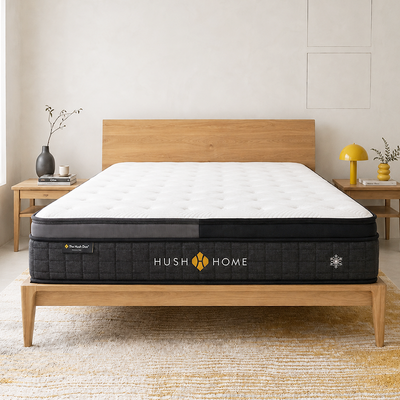
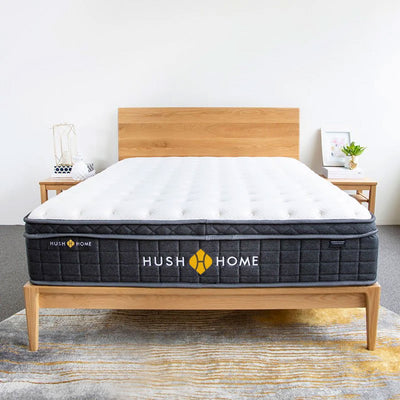
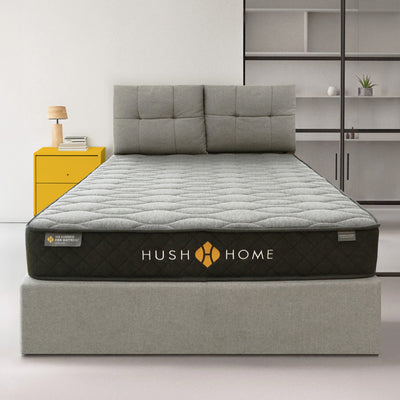
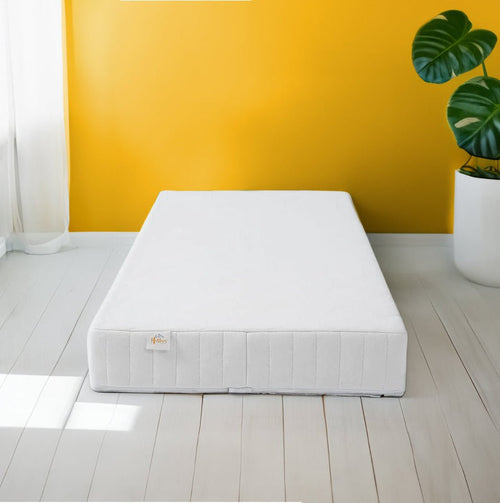
The Hush Mattress™ combines premium foam layers with independent pocket coils for comfort and lumbar support.
A supportive mattress may help reduce discomfort-related awakenings, but it cannot diagnose or treat sleep apnea, hypersomnia, depression or other medical causes of excessive sleepiness.
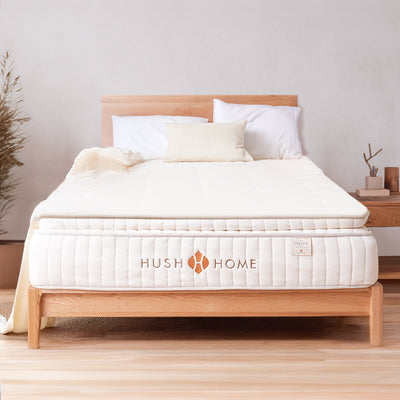
The Organic Mattress™ combines natural latex with a dual-layer coil system and breathable natural materials.
For sleepers who prefer a responsive latex feel and a breathable sleep surface, it can be considered as part of a comfortable bedroom setup.
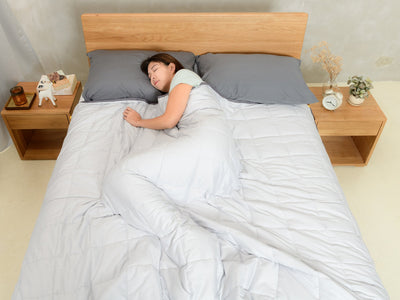
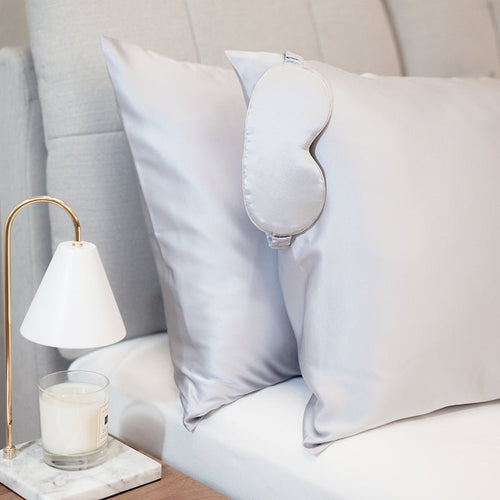
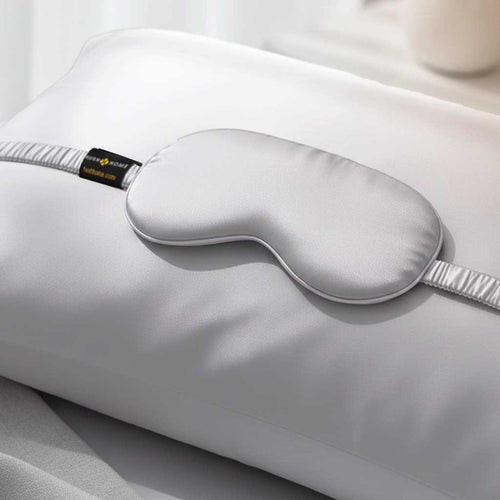
Breathable bedding such as the Egyptian Cotton Hotel Sheets™ can also help create a comfortable sleep environment, particularly for people who tend to feel warm at night.
Bedding can improve comfort, but it should not be presented as a way to “optimize sleep architecture” or guarantee that someone will wake refreshed after exactly eight hours.
There is no evidence-based rule that you must wait six weeks before seeking help. Consider speaking with a healthcare professional if excessive sleepiness or unusually long sleep is persistent, unexplained, worsening, or interfering with normal life.
Seek assessment sooner if you:
Some extra sleep after short-term sleep loss can help with recovery, so the answer is not simply “no.” However, repeatedly sleeping several hours later every weekend can shift your schedule and make it harder to maintain regular sleep timing.
Whenever possible, address the underlying weekday sleep shortage rather than relying only on weekend catch-up sleep.
You may be experiencing sleep inertia, waking at an unusual circadian time, recovering from prior sleep loss, or dealing with poor-quality sleep underneath the longer duration.
If it happens frequently, look beyond the number of hours and consider sleep quality and possible sleep disorders.
Not necessarily. Sleep needs vary, and longer sleep can be normal during recovery from sleep debt or illness and for some individuals.
Ten hours becomes more noteworthy when it is a persistent new pattern or you still feel excessively sleepy despite it.
It can be associated with depression, but long sleep alone cannot diagnose depression.
Look for the broader pattern, including persistent low mood, loss of interest, changes in appetite or energy, difficulty concentrating and impaired daily functioning, and seek professional advice when needed.
There is no universal rule that sleeping more than nine hours is harmful. For some people it is normal or temporary.
What matters most is whether the sleep is refreshing, whether your schedule is reasonably regular and whether you can stay alert and function normally during the day.
If you consistently need unusually long sleep and remain exhausted, treat it as useful information from your body rather than something to solve simply by setting an earlier alarm. Improving sleep habits and the bedroom environment may help, but persistent excessive sleepiness deserves proper medical assessment.
Ready to improve the comfort and support of your sleep setup? Explore the Hush Home Mattress Shopping Guide to compare mattress types and find a setup that suits your sleeping preferences.