



Cooling Bedding for Hot Sleepers: What Actually Works in Hong Kong?
24 Sep 2026
Sleeping hot is not just about feeling uncomfortable for a few minutes after getting into bed. The temperature and humidity around your body change through the night, and bedding can either help heat and moisture escape or trap more of them close to the skin.
This is particularly relevant in Hong Kong. According to the Hong Kong Observatory’s 1991–2020 climate normals, June, July and August have mean temperatures of approximately 28.3°C, 28.9°C and 28.7°C respectively. Mean daily minimum temperatures remain around 26.5–26.9°C, while average relative humidity is about 81–82% during these months.
High humidity matters because evaporating sweat is one of the body’s main ways of releasing heat. When the air is already humid, evaporation becomes less efficient. This is one reason the same bedding can feel comfortable in a dry air-conditioned bedroom but clammy in a warmer, more humid room.
QUICK ANSWER
For most hot sleepers, the biggest gains come from managing the whole sleep environment rather than chasing one “cooling” material.
First, keep the bedroom comfortably cool and reduce humidity where necessary. Air-conditioning, air movement and dehumidification can change the thermal environment far more than a pillowcase alone.
Second, reduce unnecessary insulation. If you are overheating under a heavy duvet, changing to a lower-fill or lighter setup often has a more direct effect than changing only your sheets.
Third, choose layers that allow heat and water vapour to move. Sheets, pillowcases, duvet shells and protectors should be judged by the complete fabric construction—not only whether the label says cotton, bamboo, TENCEL™, microfiber or silk.
Finally, treat “cool to the touch” as a useful sensation rather than proof of all-night cooling. Some materials transfer heat away from your skin quickly when you first lie down, but sustained comfort depends on what happens after the fabric warms up.
Sleep and thermoregulation are closely linked. Research reviews have found that excessive heat can increase wakefulness and reduce deeper or REM sleep, and that humid heat can add further thermal stress because it interferes with normal heat loss and changes the microclimate around the body.
Bedding is part of that microclimate. It adds insulation, changes airflow and affects how quickly moisture can move away from the skin.
A systematic review published in 2024 concluded that bedding and sleepwear fibre types can influence thermal comfort and sleep, but also stressed that the evidence is complex and too limited to declare one fibre universally best.
Useful principle for Hong Kong: focus on total thermal load, not one marketing word.
If your bedroom itself is very warm and humid, even excellent bedding has limited ability to cool you because it cannot actively remove unlimited heat from the room.
A comfortably cool room, moving air and lower humidity make it easier for the body to release heat. In Hong Kong, this may mean using air-conditioning, a fan, dehumidification, or a combination depending on season and personal comfort.
There is no single perfect bedroom temperature for every person. Clothing, bedding, age, body size, health, air movement and humidity all change what feels thermally comfortable. The practical target is a room that feels comfortably cool without forcing you to compensate with an excessively thick duvet.
Air movement helps remove the warm, humid boundary layer that forms close to the body and can assist evaporation when moisture is present. A fan can therefore improve comfort even if it does not reduce the actual air temperature very much.
In very humid weather, lowering humidity can make sweat evaporation and moisture management feel more effective. A dehumidifier does release some heat into the room while operating, so it is often most useful before bedtime or together with air-conditioning rather than as a substitute for cooling in a hot closed room.
If you wake because your torso feels trapped under heat, the duvet or blanket is often the first layer to evaluate. It covers a large portion of the body and can contribute far more insulation than a fitted sheet.
Look at fill weight, loft and construction. In many duvets, GSM—grams of fill per square metre—gives a useful indication of how much filling is present. A lower GSM often means less material and potentially less insulation, although different fibres do not provide identical warmth at the same weight.
Some markets also use TOG ratings to describe thermal insulation. Lower TOG generally means less insulation. However, TOG and GSM are not interchangeable: GSM measures mass per area, while TOG measures thermal resistance.
For a very hot sleeper in Hong Kong, the coolest setup may sometimes be no duvet at all—just a sheet or very light cover—especially without air-conditioning. If you sleep with strong air-conditioning, however, a breathable lightweight or moderate duvet can create a more stable bed microclimate than alternating between feeling too hot under a thick duvet and too cold without one.
Yes, but not in isolation. Down, microfiber, cotton and other fills differ in loft, moisture handling and insulation. The 2024 systematic review of sleepwear and bedding research found that duvet fibre can affect sleep under some conditions, but results varied by temperature and study design. For example, goose down performed favourably under cool conditions in one study—evidence of insulation benefits in the cold, not proof that down is ideal for Hong Kong summer heat.
For hot sleepers, compare the complete duvet: total fill weight, shell breathability, quilting pattern and how the duvet is intended to be used with air-conditioning.
For a Hong Kong-specific comparison, see What Duvet Is Best for Hong Kong? All-Season, Summer & Air-Con Duvets and Hush Home’s Summer Duvet Guide.
Sheets sit directly against a large area of the body, so they strongly influence tactile comfort, moisture and the thin layer of air around the skin. However, there is no scientifically established universal ranking that says, for example, linen is always cooler than cotton, or TENCEL™ is always cooler than every other fabric.
The 2024 systematic review found only limited bedding studies. One warm-condition study found better sleep outcomes with a linen-based bedding ensemble than a cotton/polyester comparison ensemble, but several bedding components differed at the same time. The reviewers therefore cautioned against attributing the result to fibre alone.
This is why the weave and fabric weight matter so much.
Cotton is breathable and highly absorbent, which can feel comfortable for many sleepers. However, absorbency and moisture release are different properties. Cotton can hold moisture when heavily saturated, so a thick, dense cotton fabric is not automatically cooler than every synthetic or regenerated-cellulose fabric.
Linen is often made into relatively open, breathable fabrics and can feel dry and airy in warm conditions. There is some limited sleep research suggesting potential benefits under hot conditions, but the evidence base is still small. Linen’s distinctive texture also means comfort preference is highly personal.
Lyocell is a regenerated cellulose fibre, while TENCEL™ is Lenzing’s trademark used for qualifying branded fibres. These fabrics can be engineered for good moisture management and a smooth hand feel, but performance still depends on fabric construction, thickness and blends. The brand or fibre name alone does not guarantee an all-night cooling result.
Most soft “bamboo” sheets are not made from intact natural bamboo fibres. They are commonly regenerated cellulose fabrics such as viscose or rayon made from bamboo-derived pulp. They can feel smooth and comfortable, but “bamboo” should not be treated as an automatic cooling certification.
Synthetic fibres are often criticised as “hot”, but construction matters. Very dense polyester can feel less breathable, while fine engineered microfibres can be designed to move moisture and create lightweight structures. Judge the finished fabric, not the word “synthetic” alone.
Silk is smooth, lightweight and can feel cool initially, making it popular for pillowcases. But a silk pillowcase covers only a small portion of the body. It may improve facial comfort for some hot sleepers, yet it should not be expected to solve whole-body overheating caused by a hot room or heavy duvet.
For a direct fibre comparison, see Egyptian Cotton vs TENCEL™ vs Bamboo Sheets: Which Material Is Best?
Two sheets made from the same cotton can feel very different if one is woven as crisp percale and the other as smooth sateen.
Percale normally uses a simple one-over-one structure and is commonly associated with a lighter, crisper feel. Sateen uses longer yarn floats that create a smoother, softer surface and more drape. Because sateen can sit closer to the body and is often made into denser fabrics, some hot sleepers prefer percale—but that is not a universal rule. Yarn fineness, thread density and fabric weight still matter.
Not automatically. Very high thread counts can be achieved through denser construction or multi-ply yarn counting, and denser or heavier fabric can reduce airflow. But a high-quality sheet made from fine single-ply yarn can still be breathable.
Hush Home’s Bed Sheets Buying Guide explains thread count, yarn ply and weave in more detail.
A protector is a hidden layer directly underneath the fitted sheet. If it uses a thick or poorly breathable barrier, it can change how warm and damp the sleeping surface feels—even when the sheet itself is breathable.
That does not mean every waterproof protector sleeps hot. Modern protectors often use thin polyurethane membranes with microscopic pores or other designs intended to allow water vapour and air movement while blocking liquid. Construction quality matters.
For a hot sleeper, the question is not simply “waterproof or not?” but “how much extra thermal and moisture resistance does this protector add?”
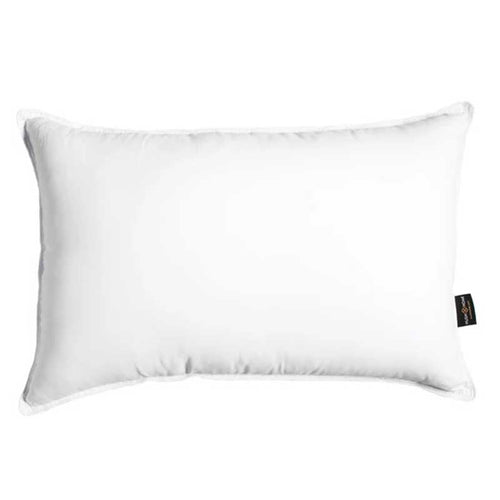
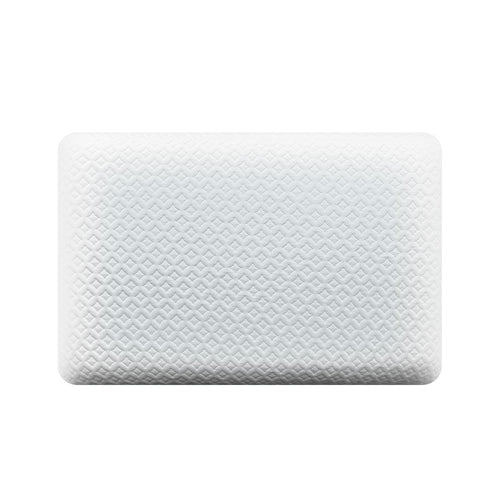
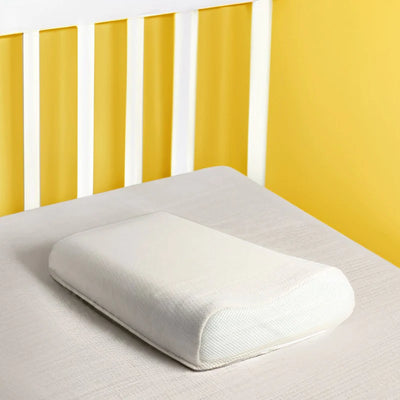
The head and face spend hours in close contact with the pillow. Dense solid foam can limit airflow compared with more open structures, but this does not mean all memory foam pillows sleep hot.
Perforated foam, air channels, ventilated gussets, shredded foam and moisture-managing covers can all change pillow ventilation. Loose microfiber and down can create more internal air spaces, but densely filled pillows can still feel warm.
Pillow height also matters indirectly. If a pillow is much too high or compresses unevenly, discomfort can make it harder to settle even if the surface feels cool. Cooling and ergonomic fit should be considered together.
For more on pillow filling and ventilation, see Memory Foam vs Microfiber vs Down Pillows.
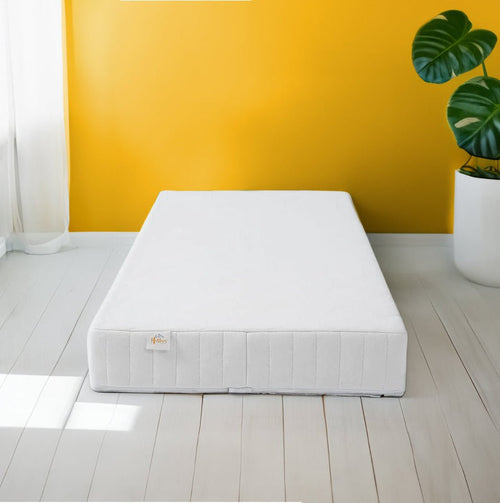
A sleeper can buy very breathable sheets and still feel hot if the surface beneath them stores heat or restricts airflow. Mattress construction, foam density, quilting and topper materials all contribute to the microclimate under the body.
Exploratory research comparing mattress systems has shown that different constructions can create measurably different temperature and humidity profiles around the body. Other controlled studies have also found that mattress and topper properties can influence core-body-temperature changes during sleep.
However, the evidence does not support a simple rule that one entire material category is always coolest.
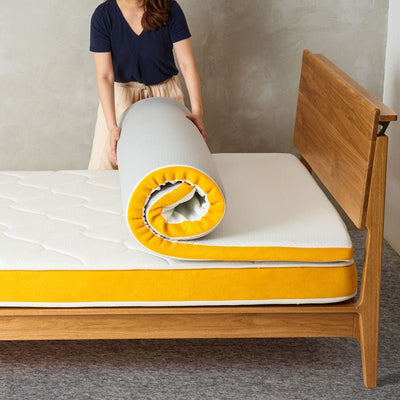
If your mattress feels noticeably hot, adding another thick topper is not automatically the answer. A topper with ventilation channels or heat-management materials may improve the surface feel, but adding extra foam also adds another layer. Evaluate the full construction.
Textile engineers often measure initial cool-touch sensation using heat-flow concepts such as Qmax. A fabric with a higher initial heat transfer can draw heat from the skin quickly and feel noticeably cooler during first contact.
But this is a transient effect. Once the material warms, sustained comfort depends on thermal resistance, airflow, moisture-vapour resistance, evaporation and how much heat continues to enter the bedding from your body and room.
A cool-touch pillowcase or gel layer can be genuinely pleasant without being an air-conditioner. Treat it as one useful feature—not proof that body temperature will remain lower for eight hours.
When humidity is high, feeling dry can be as important as feeling cold. Bedding that allows water vapour to move away from the skin can reduce the sticky sensation that makes a warm night feel worse.
This is why hot sleepers should look beyond generic labels such as “breathable” and ask how the complete fabric is designed:
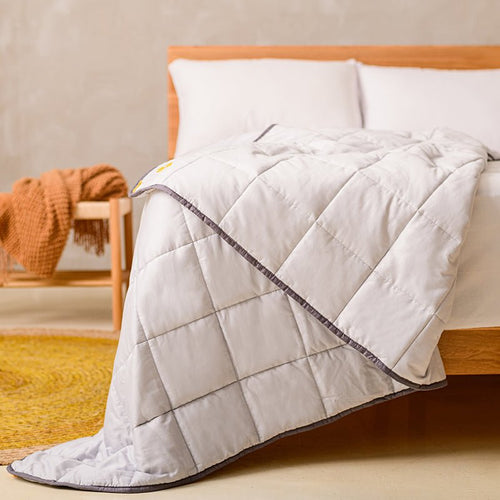
Weighted blankets deliberately add mass and another layer over the body. That can be comforting for people who enjoy deep-pressure sensation, but it also means more material around the sleeper.
If you are a very hot sleeper, use extra care in warm weather. A breathable cover and moisture-managing inner construction can help, but they cannot eliminate the thermal effect of adding an extra weighted layer.
In Hong Kong summer, some users may prefer to reserve a weighted blanket for air-conditioned nights or cooler months.
There is no universal winner. If cooling is your top priority, compare these characteristics before the fibre label itself:
| What to Compare | Why It Matters |
|---|---|
| Fabric weight | Lighter constructions generally create less bulk around the body. |
| Weave openness | More open constructions can allow more air movement than very dense ones. |
| Water-vapour permeability | Important for letting moisture escape. |
| Drying behaviour | Especially relevant if you sweat heavily during the night. |
| Surface feel | A crisp, smooth or cool surface can improve subjective comfort even if it does not actively cool the room. |
| Air-conditioning habits | A sheet that feels perfect at 23–24°C may feel very different at 28°C and high humidity. |
Hush Home currently offers several products designed around breathability, lightweight construction or moisture management. They can be useful within a cooling setup, but none should be treated as a substitute for controlling an overheated bedroom.
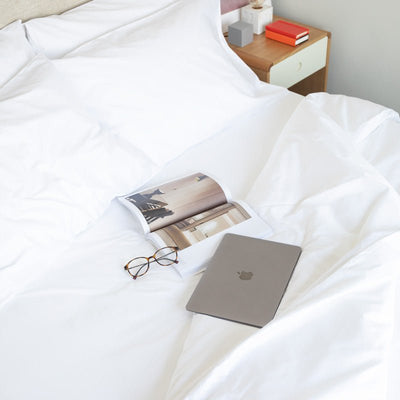
Hush Home’s current Egyptian Cotton Hotel Sheets™ use 100% Egyptian long-staple cotton, 1-ply superfine yarn and a 400 true-thread-count sateen weave.
For hot sleepers, the useful points are the natural cotton fibre and relatively fine single-ply yarn construction. However, Hush uses sateen specifically for a smoother, softer, more supple hotel feel—not because sateen is universally the coolest weave. Someone who strongly prefers the crispest possible sheet may still prefer a lightweight percale from another range.
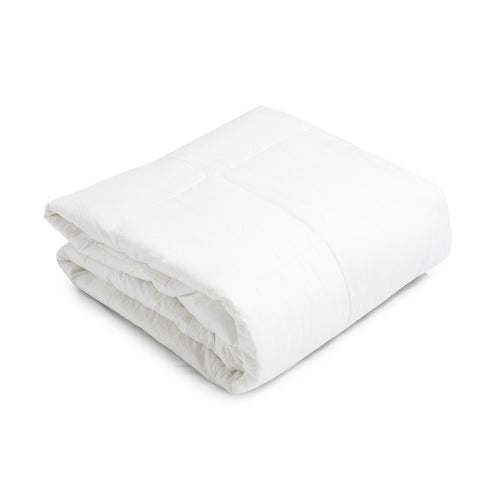
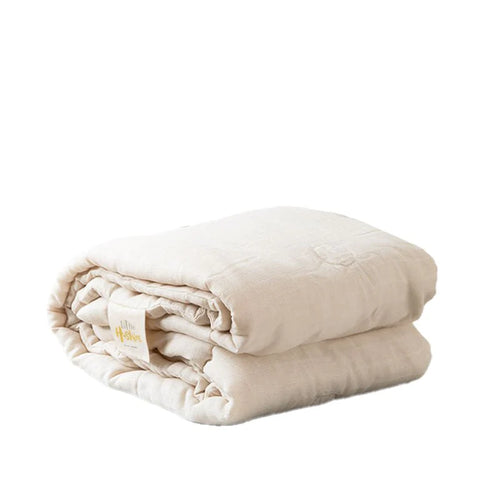
The current All-Season Duvet™ uses 250 gsm microfiber fill with a long-staple cotton shell. Hush positions it as a lightweight, breathable all-season duvet suitable for Hong Kong and for air-conditioned summer use.
For a hot sleeper, 250 gsm should be interpreted as a fill-weight specification—not a universal “cooling rating”. If you sleep without air-conditioning and still overheat, even an all-season duvet may be more insulation than you need. If you sleep with air-conditioning, a breathable moderate-weight duvet can make sense because the goal is stable comfort rather than maximum coldness.
Hush Home’s Waterproof Mattress Protector™ uses a knitted cotton surface over a waterproof polyurethane layer. The current product specification states that microscopic pores are used to allow ventilation and heat dissipation while blocking liquid.
That is the right design problem to solve for hot sleepers: waterproofing inevitably adds a barrier, so breathability and vapour movement matter. It is more credible to describe the protector as designed to minimise the usual heat penalty of waterproofing than to imply that adding any protector will make a bed cooler than using no extra layer at all.
Hush’s current pillow range uses several different heat-management approaches.
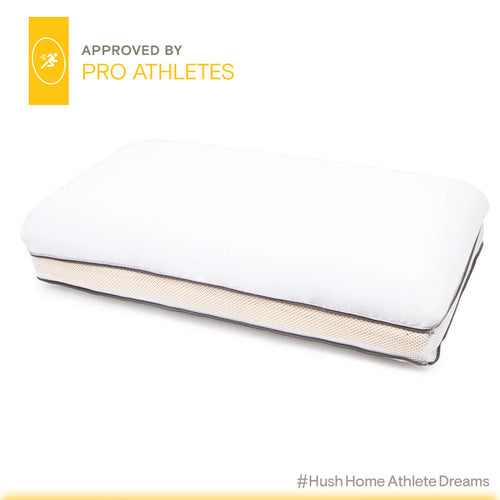
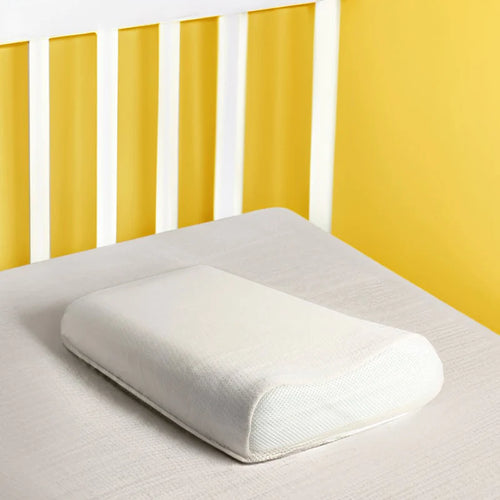
The Miracle Pillow™ combines a PeachFiber™ cover, ventilated gusset and air channels through its removable memory-foam layers.
The OnePillow™ uses a moisture-managing PeachFiber™ cover and air spaces within an adjustable interlocking memory-foam centre.
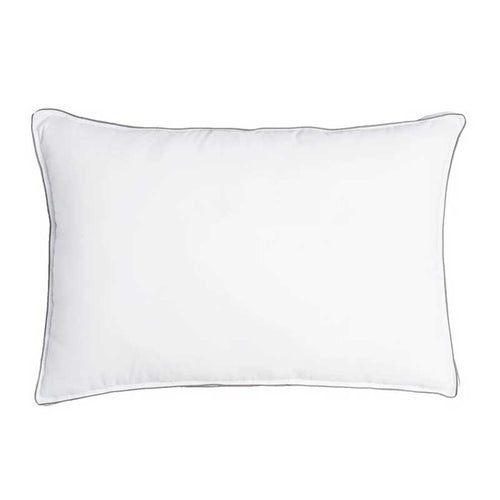
The Loft Pillow™ uses airy microfiber with a PeachFiber™ cover.
These features are relevant for sleepers whose head tends to feel hot, but the same principle still applies: ventilation can improve local comfort, while room temperature and total bedding insulation control the larger heat load.
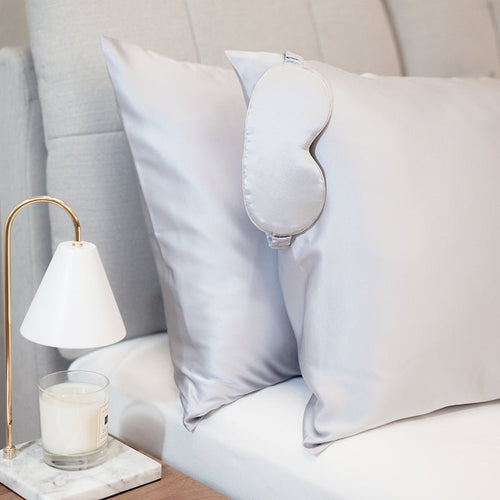
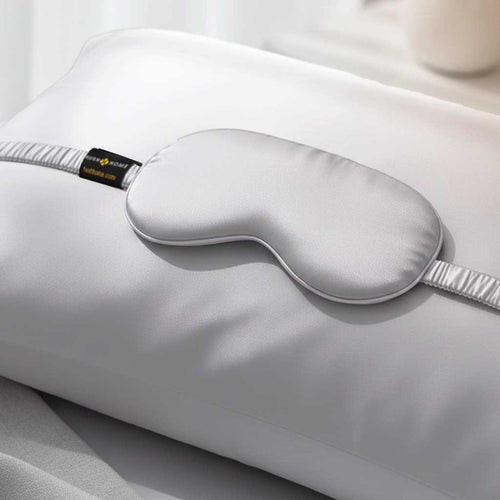
Hush Home’s Mulberry Silk Pillowcase™ uses 22-momme mulberry silk and is described as cool to the touch.
Silk’s smooth, lightweight surface can be comfortable around the face and hair, particularly for sleepers who dislike a warm or rough pillow surface.
Again, treat this as a local comfort feature rather than whole-body cooling technology.
Cool the room to a personally comfortable level, encourage air movement and manage humidity. Do not expect a sheet to compensate for a very hot room.
If you use a heavy duvet, thick blanket plus duvet, or several decorative layers, remove one layer before buying new bedding. This is the simplest way to determine whether excess insulation is the real problem.
Compare GSM or TOG where supplied, while remembering that the two measurements mean different things. Choose the amount of insulation that matches your actual air-conditioning habits.
Prioritise a fabric construction that feels comfortable when slightly warm and humid—not only one that feels cold for the first ten seconds.
Look beneath the fitted sheet. A thick protector, pad or topper can alter the bed surface more than changing from one sheet fibre to another.
If your head feels hot, look for a breathable pillow construction, ventilated foam, airy fill or a comfortable moisture-managing pillowcase.
If you replace the mattress topper, duvet, sheets and pillowcase on the same night, you will not know which change helped. Test one major layer at a time for several nights under similar air-conditioning conditions.
Thread count is not a cooling score. High counts can come from dense construction or multi-ply counting, while fine single-ply fabrics may achieve softness without as much bulk.
Too simple. Fibre type matters, but thickness, weave, finish, fill density and moisture-vapour resistance can reverse expectations.
Most soft bamboo bedding is regenerated cellulose such as viscose or rayon. It may feel smooth and comfortable, but “bamboo” alone does not specify weave, weight or cooling performance.
Gel or cool-touch materials can absorb or transfer heat and improve initial sensation, but they still warm toward equilibrium. Sustained performance depends on how effectively that heat can continue moving away.
Thickness is only a visual clue. Thermal insulation depends on fill material, loft and trapped air. Compare actual fill specifications where possible.
Waterproofing adds a barrier, but thin breathable membranes and fabric engineering can reduce the effect. Compare construction rather than avoiding protection entirely.
Usually not. A cooling pillowcase cannot compensate for high room temperature, high humidity, a very insulating duvet and a heat-retaining mattress all at once.
The best setup is usually a combination rather than one product: a comfortably cool and not excessively humid room, lighter duvet insulation, breathable sheets, a protector that does not add excessive vapour resistance, and a pillow that manages local heat around the head. Individual comfort still matters.
There is no universal winner supported by strong comparative sleep evidence. Linen has limited evidence suggesting benefits under warm conditions, while cotton, lyocell/TENCEL™ and bamboo-derived viscose can all be comfortable when made into light, breathable fabrics. Compare construction and weight as well as fibre.
Many hot sleepers perceive percale as cooler because its one-over-one weave usually feels crisp and airy, while sateen feels smoother and drapes more closely. But this is not absolute; yarn fineness, thread density and fabric weight can change performance substantially.
Not necessarily, but very dense or multi-ply fabrics can reduce airflow and increase weight. A fine single-ply 400-thread-count sheet can behave differently from a heavy multi-ply fabric marketed with a much larger number.
Not always. If your current duvet is too warm, a lighter duvet can help, but some sleepers may be comfortable with a breathable all-season duvet in an air-conditioned room. Others who sleep without air-conditioning may prefer only a sheet or very light cover. Match insulation to your actual room conditions.
They can if the waterproof barrier has poor water-vapour permeability, but breathable polyurethane membranes and lighter constructions can reduce the effect. For hot sleepers, protector breathability is an important buying criterion.
Silk is smooth, lightweight and can feel cool to the touch, so some hot sleepers find it comfortable around the face. However, a pillowcase affects only a small area and will not solve whole-body overheating from room temperature or heavy covers.
Some cooling textiles can improve thermal sensation, and a recent pilot study of one cooling-sheet product reported better subjective sleep and less trouble sleeping due to heat. However, the study was non-randomised and tested one specific product, so it is not proof that every sheet marketed as “cooling” works. Look for clear explanations of the mechanism and realistic claims.
Only if the topper solves another comfort problem without creating too much extra insulation. Ventilation channels, open structures and heat-management materials may help, but a thick dense topper can also add thermal resistance. Evaluate the whole design.
Bedding can help manage comfort, but persistent or drenching night sweats can have causes unrelated to bedding, including medications, hormonal changes, infections and other medical conditions. If night sweats are new, severe, persistent or accompanied by other symptoms, discuss them with a healthcare professional rather than treating them only as a bedding problem.
The most effective cooling bedding strategy for Hong Kong is not to buy the product with the coldest-sounding name. It is to manage the complete thermal system around your body.
Start with the bedroom: heat and humidity set the baseline. Then reduce excess duvet insulation. Choose sheets and pillowcases with breathable, moisture-friendly constructions. Make sure protectors and toppers are not quietly trapping more heat than the bedding above them can release. Finally, use cool-touch fabrics, ventilated pillows or gel technologies as supporting features rather than expecting them to function like active cooling.
For Hush Home shoppers, that means looking at products in context. Egyptian Cotton Hotel Sheets™ offer fine single-ply cotton and a smooth sateen construction; the All-Season Duvet™ uses 250 gsm microfiber with a cotton shell; the Waterproof Mattress Protector™ is designed with a breathable waterproof layer; and selected Hush pillows use air channels, ventilated gussets and moisture-managing covers.
Each feature can contribute to comfort, but the best result comes from matching all the layers to how warm your room actually is.