
Best Mattress for Side Sleepers in Hong Kong: Firmness, Pressure Relief & Support
04 Nov 2026
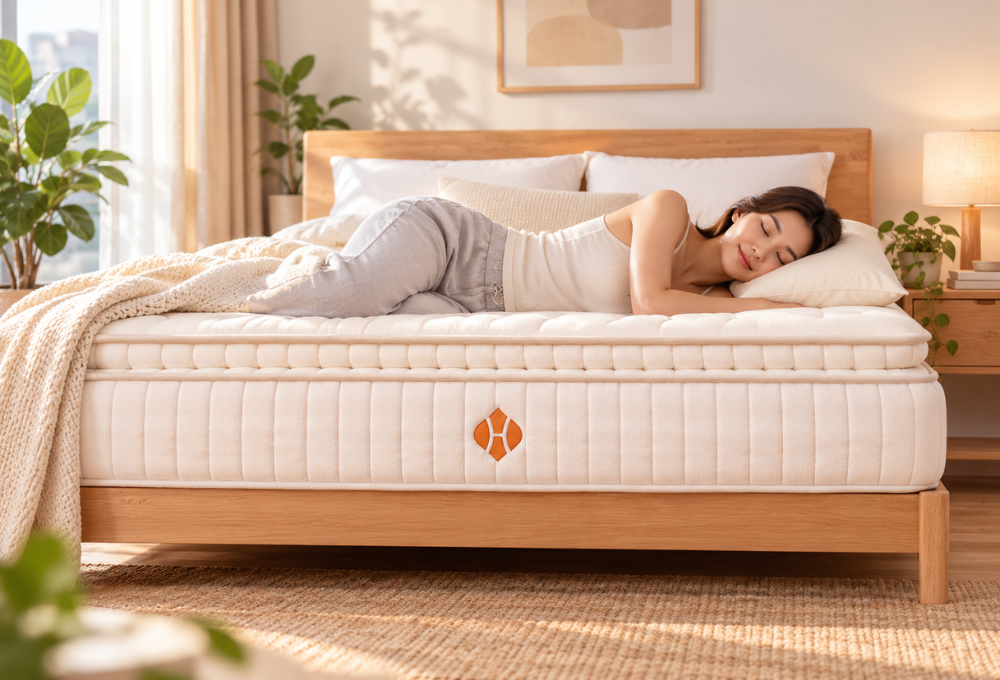
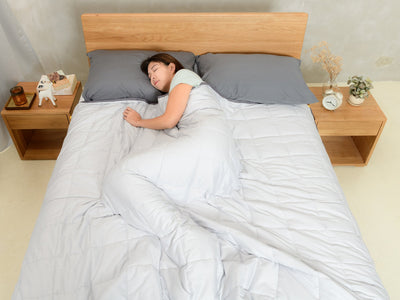
Most side sleepers benefit from a mattress that cushions the shoulders and hips without allowing the waist or pelvis to sag excessively. A medium to medium-firm feel is often a useful starting point, but body weight, shoulder width, natural curves and mattress construction change the ideal firmness. The best mattress is the one that lets your shoulder and hip settle comfortably while keeping the rest of your body supported—not automatically the softest mattress or the one labelled 'orthopaedic'.
In Hong Kong, include climate and bed dimensions in the decision. The feel of a mattress is only useful if it fits your existing bed frame and you can sleep comfortably with your pillow, protector and bedding. Exact mattress dimensions can differ between local and imported brands even when the size names sound similar.
When you lie on your side, your body weight is concentrated over relatively narrow contact areas, especially the outer shoulder and hip. A surface that is very firm for your body may resist those points and create uncomfortable pressure. At the other extreme, a mattress that compresses too deeply under the pelvis may leave the waist unsupported and twist the body relative to the bed.
The important distinction is pressure relief versus support. The comfort layers determine much of the immediate cushioning; the support core and complete construction help control deeper sinkage. A thick, soft top is not a substitute for a stable base, and a strong coil unit does not automatically guarantee comfortable shoulders.
Medium and medium-firm mattresses are common starting points because they combine some cushioning with resistance. However, there is no industry-standard firmness scale and your experience depends on body weight. A lighter sleeper may not compress a firm surface enough to gain pressure relief, while a heavier sleeper may need stronger support under the pelvis even with soft comfort layers.
A practical showroom rule is to test for at least several minutes in your normal side-sleep position. Check pressure at the upper shoulder, hip and ribs, and notice if the waist feels suspended without contact. Then roll onto your back or usual alternative position to see whether the mattress remains comfortable.
Memory foam, latex and other cushioning foams can all be engineered to contour around the shoulder and hip; the result depends on density, layer thickness and construction. Do not conclude that one ingredient alone guarantees better pressure relief. Test whether you can settle without feeling trapped or bottoming out.
Some mattress cores vary resistance across shoulder, lower-back and hip regions. This can be worth comparing if your body proportions fit the layout, but five or seven zones are not automatically better than a simpler supportive core. Ask where the zones actually fall for your height and sleep position.
For couples, notice how much a partner's turning affects your side and whether you can sleep near the edges without feeling unstable. Individually pocketed coils and foam layers may help manage movement, but absolute 'zero motion transfer' is not a universal measurable promise for every situation.
Hong Kong's warm and humid climate makes airflow and bedding choices relevant. Inspect cover fabrics, ventilation design and how easily moisture can escape under the mattress. A cooling label is not proof of a cooler whole-night experience, particularly if a thick waterproof protector or warm duvet changes the sleep environment.
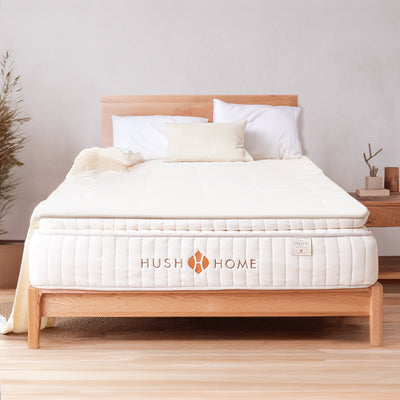
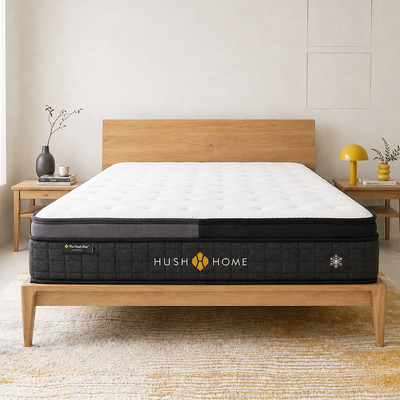
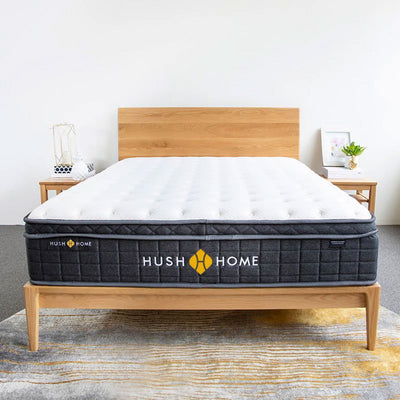
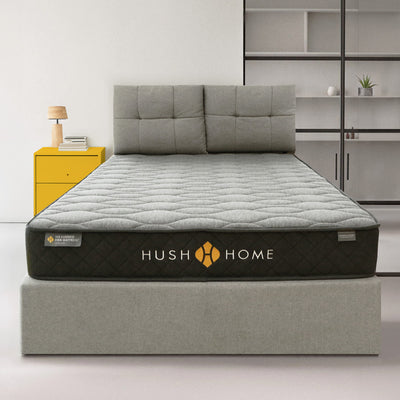
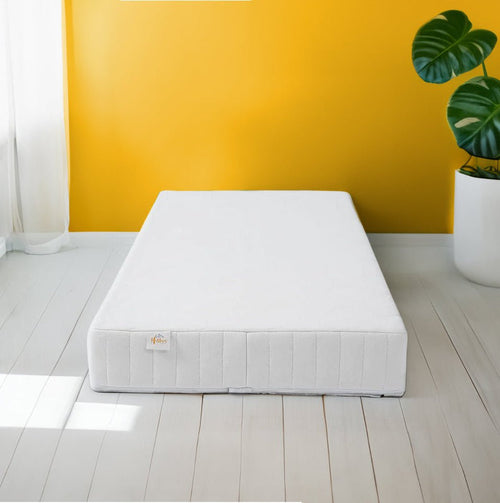
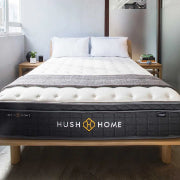
Hush's side-sleeper collection identifies Organic Mattress™ and Hush Mattress™ as useful starting points because they aim to balance comfort and support. Organic Mattress™ combines responsive natural latex and pocket-coil structures, while Hush Mattress™ uses layered foams and pocket springs for a more cushioning hybrid feel. Their published descriptions should be confirmed against the current model and your own experience.
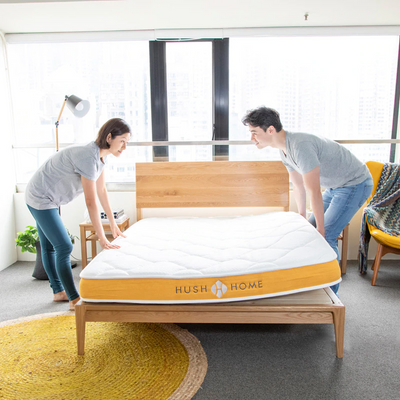
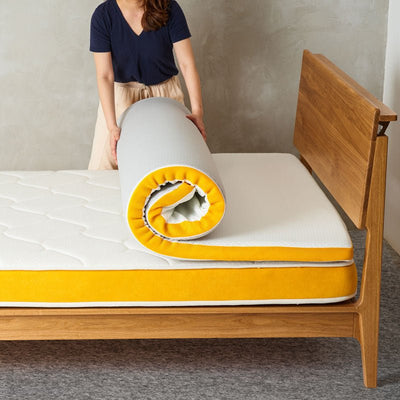
Hush Duo Mattress™ may be worth considering if two partners actively need different firmness or if later adjustment matters. Its independently configured inserts can change the feel of each side, but simply sleeping with a partner is not enough reason to recommend Duo over a suitable shared-firmness mattress. Essence Firm Mattress™ is an extra-firm option that may feel too rigid at the shoulder for some side sleepers; Loft Mattress™ has a lower-profile reversible construction with different limitations.
No Hush model is automatically the best for every side sleeper. The Mattress Match Quiz can narrow options based on comfort and flexibility preferences, while showroom testing checks whether your particular shoulders, hips and pillow work well with the actual mattress.
Hush Mattresses for Side Sleepers


| Situation | What to check first | Possible starting point |
|---|---|---|
| Lighter side sleeper | Shoulder/hip pressure and whether firm surface yields | Softer cushioning with stable core |
| Heavier side sleeper | Pelvis sinkage and waist support | Stronger core plus comfort layer |
| Broad shoulders | Shoulder space and pillow loft | Compare contouring and pillow together |
| Couple with same preference | Shared comfort, movement and edge stability | A suitable single-firmness hybrid may suffice |
| Couple with different firmness | Left/right adjustability actually needed? | Compare modular Duo only if flexibility matters |
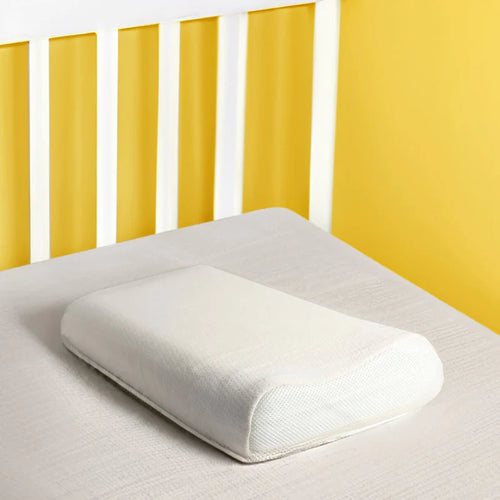
Treat this as a fit checklist rather than a medical prescription or universal weight chart. Two people of the same weight can have different shoulder widths, hip shapes and surface preferences. Your pillow height must also adjust to the amount your shoulder sinks into the mattress.
Bring or request a pillow with approximately the height you normally use. Lie on the mattress as you sleep at night, with knees and shoulders relaxed. Watch for sharp pressure, numbness or feeling unable to turn. Ask someone to look from the side for obvious awkward bends rather than demanding a perfectly straight spine in every individual position.
Next, lie near the edge, change positions and ask about the trial's eligibility, mattress-size tolerance, bed-base requirements and extra delivery fees. A few minutes in a showroom cannot substitute for long-term use, but it can rule out obvious mismatches before purchase.
Not necessarily. They generally need cushioning at shoulders and hips plus sufficient deeper support. Body weight and construction change the right feel.
Often a useful starting point, but a mattress can still feel too firm or too soft for your body. Test pressure relief and waist support.
Possible contributors include local pressure, pillow mismatch or an underlying medical issue. Persistent pain needs appropriate assessment.
Neither material automatically wins. Compare contouring, rebound, thickness and how the whole mattress supports you.
Yes. A shoulder that sinks farther into a softer mattress can reduce the pillow height needed to keep the neck comfortable.
Only if different left/right firmness or future adjustability is important. Otherwise, compare shared-firmness mattresses that suit both sleepers.
No. Support and surface firmness are related but not the same; excessive shoulder pressure can make an extra-firm surface unsuitable.
No mattress label proves a cure. Seek medical advice for persistent, worsening or unusual pain.
For side sleeping, start with the shoulders and hips: enough cushioning to ease concentrated pressure, enough deeper support to avoid excessive sinking, and a pillow that completes the fit. Then check Hong Kong bed sizes, ventilation, price and trial conditions. A 'best' side-sleeper mattress is always specific to the person using it.