











How Often Should You Wash Sheets, Pillowcases & Duvet Covers?
17 Sep 2026
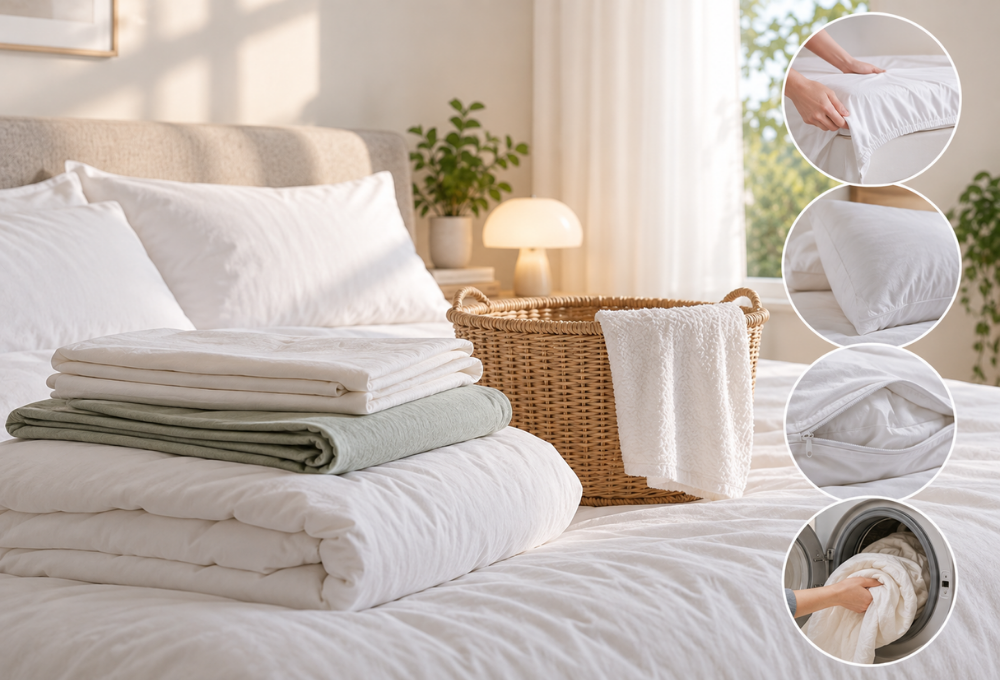
Wash regularly used sheets and pillowcases about once a week. For duvet covers, our practical starting point is weekly when the cover touches your body directly, or every one to two weeks when you consistently use a clean top sheet. Change any item sooner if it becomes damp, sweaty or visibly dirty. [1] [2] [3]
The aim is a manageable routine, not a perfectly sterile bedroom. How often you wash depends on contact with your skin, how much you sweat, whether pets share the bed and the care requirements of the actual fabric.
KEY TAKEAWAY
Wash the layers closest to your skin most often, and treat the cover separately from what is inside it. A washable pillowcase does not make the pillow washable; a washable duvet cover does not mean the duvet insert can go in the same load. Always check the care label and dry bedding completely. [4] [7]
Use this as a starting schedule for a regularly used adult bed. Visible soil or moisture takes priority over the calendar; individual medical or infection-control advice may require a different routine.
| 床上用品 | Practical Starting Schedule | When to Change Sooner |
|---|---|---|
| Fitted sheets and flat sheets | About once a week | Heavy sweating, stains, illness or dirt from pets. |
| 枕套 | About once a week | Dampness, drool, oil or hair-product residue. |
| Duvet cover without a top sheet | Weekly is a practical default | Sweat, spills, stains or pets lying on the cover. |
| Duvet cover with a regularly washed top sheet | Every one to two weeks as a practical starting point | The top sheet shifts away, or the cover becomes damp or dirty. |
Published advice varies. The American Cleaning Institute suggests washing sheets at least every two weeks, more often with heavy sweating; Cleveland Clinic recommends weekly washing. The Company Store suggests two to four weeks for duvet covers used mainly for sleeping, and more often with heavier use. Our shorter duvet-cover schedule is a practical household recommendation, not a universal medical deadline. [1] [2] [3]
Sheets collect sweat, body oils, shed skin and household debris during use. Pets can add hair and dander. You do not need a visible stain before washing becomes worthwhile; a fabric can look tidy while still needing a clean. [10]
Both a fitted sheet beneath you and a flat sheet used as a top layer belong in the regular wash. Showering before bed can reduce what you bring into bed, but it does not remove the need to wash the fabric you sleep against. [1] [2]
If you are deciding which layers to use in the first place, see our Flat Sheet vs Fitted Sheet guide.
For an easy routine, pick one weekly changeover day. If the sheets become clammy after a sweaty night or develop a stale smell, use a fresh set rather than waiting for that day. [10]
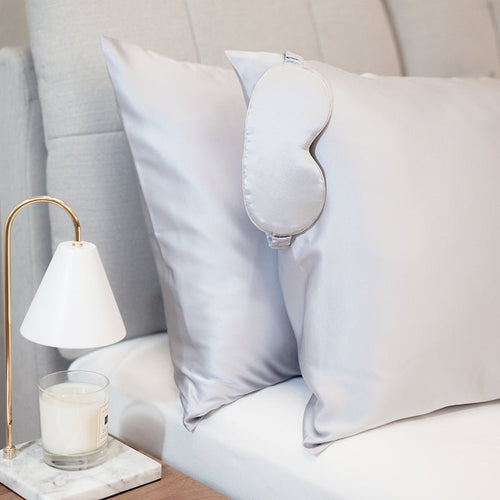
Weekly is a useful baseline, but a pillowcase may need an earlier change. Your face and hair rest on it directly, so skin oils, skincare, makeup or hair products can transfer onto the fabric. [1]
A practical option is to keep a spare pair of pillowcases ready for a midweek swap when needed. Change a damp or saliva-soaked case promptly. Turning it over is not the same as washing away residue, and you should also check whether moisture has reached the protector or pillow.
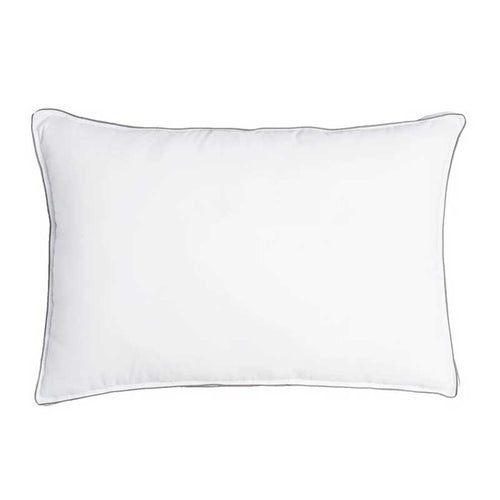
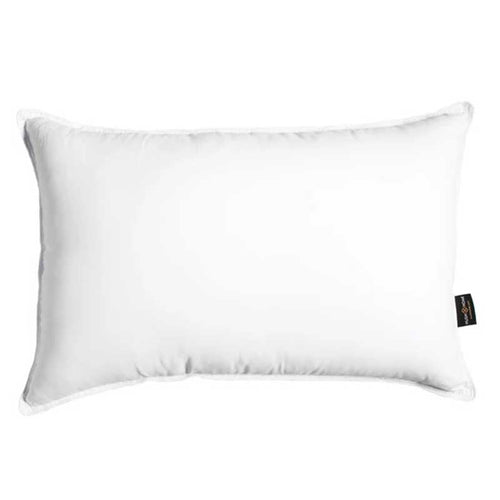
If you want an extra set ready for quick changes, Hush Home’s Egyptian Cotton Hotel Pillowcases™ are sold separately in pairs.
There is no need to treat a particular washing interval as an acne cure. For sensitive skin, consider fragrance-free detergent and seek advice about persistent irritation rather than assuming your pillowcase is the only cause. [1]
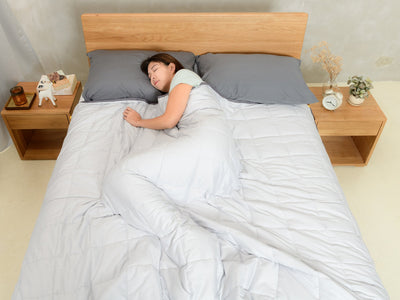
Think about how the cover is actually used. Without a top sheet, it is the fabric directly above your body. With a top sheet, there may be less direct contact—but only while that sheet stays between you and the cover.
If you hug the duvet, sleep with a pet on top, or regularly eat and lounge in bed, do not automatically give the cover a long break between washes. Remove the insert before cleaning the cover, and deal with spills promptly. [3]
A top sheet is an extra washable layer, not a reason to stop washing the duvet cover. You can choose the arrangement that feels comfortable, but count every regularly used, skin-contact layer in your laundry routine.
If you use a removable duvet cover, Hush Home’s Egyptian Cotton Hotel Duvet Cover™ can be washed separately from the insert according to its care instructions.
Heat, humidity, heavy sweating and pets are reasons to reassess the usual interval. Clean the part that has become soiled rather than waiting until every item is due together. A fresh pillowcase can be useful even when the rest of the bed does not yet need changing. [10]
Replace bedding that is soiled during illness, and follow any condition-specific advice from your healthcare team. For general household laundry, the CDC advises detergent, the recommended water temperature and complete drying, as well as washing your hands after handling dirty laundry. [4]
People managing dust-mite allergy may need a specific bedding-care plan. Mayo Clinic recommends weekly washing and hot water of at least 54.4°C for mite control, alongside allergen-proof encasements and humidity management. That does not mean every fabric can tolerate a hotter wash. [5]
Start with the care label, not the hottest setting on the machine. Fibre, dyes, finishes, elastic and waterproof layers can have different care requirements. The CDC's general laundry advice is to use detergent and the recommended water temperature. [4] [6]
If you need a higher-temperature routine for a diagnosed allergy or another medical reason, choose bedding approved for that routine and discuss alternatives with the manufacturer or your clinician. Do not assume a 40°C wash has the same mite-killing effect as a hotter wash, and do not damage an item by ignoring its label. [5] [7]
Take the duvet out of its cover and the pillow out of its pillowcase. Check protectors separately. A removable zip or button opening does not tell you whether the inner item is washable. [3] [7]
Separate colours as directed, check closures and pretreat stains with a product suitable for the fabric. Follow both the bedding and stain-treatment instructions. Avoid experimenting with strong mixtures simply because a sheet is white. [3] [6]
Do not compress the entire bed set into a drum that is too small. Sheets need space to move during washing and rinsing. Separate loads may be more practical than one tightly packed load, particularly with a large duvet cover. [3] [11]
Use the detergent dose appropriate for the load and follow the fabric's recommended cycle. More detergent is not automatically better. For a delicate or specially finished fabric, use its own care instructions rather than copying the settings for your cotton sheets. [6]
Remove the load promptly and use the drying method permitted by the label. Check corners, seams and folded sections before storing or putting covers back on. A dry outside does not prove every bunched-up section is dry. [4] [11]
Plan drying space before starting a large load. On a day when indoor laundry dries slowly, spread sheets out with space between layers, use suitable ventilation or dehumidification, and follow the appliance instructions. Do not put a partly damp set back on the bed just because it is bedtime.
A second set removes the pressure to finish every wash in one day. Keep one clean set ready while the used set is being washed and dried. For a small linen cupboard, prioritise a spare fitted sheet, pillowcases and the duvet cover you actually use rather than buying layers you do not need.
Airing bedding can help it lose moisture between washes, but it does not wash away oil, saliva or stains. Likewise, a fresh fragrance is not evidence that fabric is clean. Keep airing and laundering as two separate parts of the routine.
The outer-layer schedule does not apply automatically to the filling inside. Inspect the duvet, pillow and protectors when changing the bed, and clean each according to its own instructions. A spill that reaches an inner layer needs attention even if the cover has already been changed.
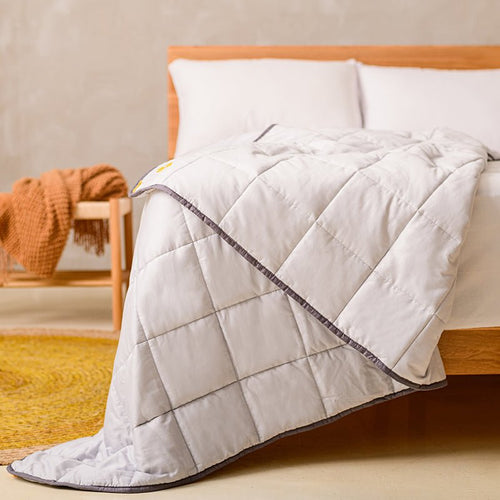
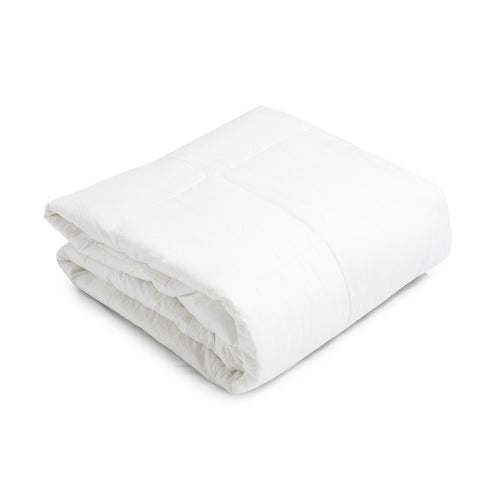
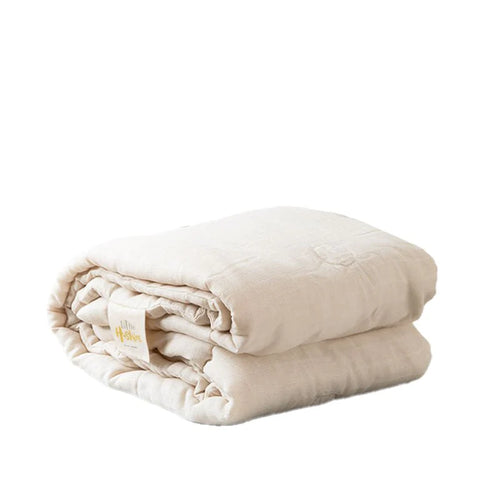
For example, Hush Home's All-Season Duvet™ should be protected with a duvet cover and dry-cleaned as needed; its care guide says not to wash it in water. Keeping the removable cover clean is therefore different from putting the entire duvet in the washing machine. [7]
The same principle applies to protectors. Check their own instructions rather than automatically washing them on the sheet cycle. Hush Home’s current Care Guide lists separate care instructions for its waterproof mattress and pillow protectors.
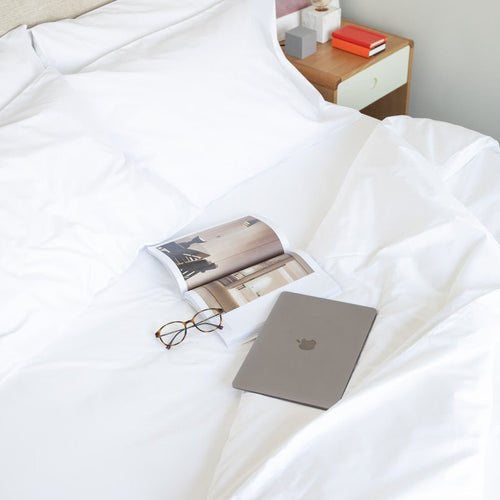
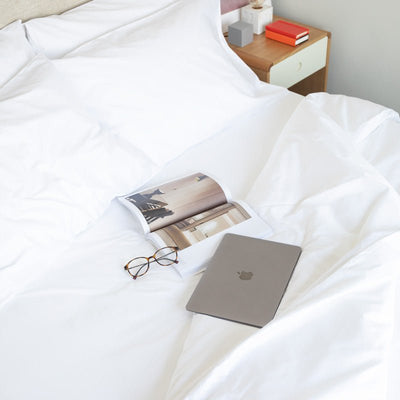
Hush Home's Egyptian Cotton Hotel Fitted Sheet™ and Egyptian Cotton Hotel Duvet Cover™ are available separately, so you can replace or add the pieces you need. The duvet cover lists hidden buttons and securing ties to help keep the insert in place. [8] [9]
You can also keep an extra pair of Egyptian Cotton Hotel Pillowcases™ for quick changes. Check dimensions before ordering and read the Hush Home Care Guide alongside the label supplied with your bedding. A spare set is useful because it makes regular changing easier—not because any material can remain clean indefinitely.
That is within the American Cleaning Institute's general advice, but weekly is a useful default for a bed used every night. Sweat, dampness, illness, pets or an allergy-management plan are reasons to wash sooner. There is no single interval that suits every home. [1] [2] [10]
Yes, when their colours, care instructions and wash temperatures are compatible, and the machine has enough room. Remove the duvet and pillows first. The fact that pieces match visually does not guarantee identical care requirements. [3] [6]
No. The pillowcase still touches your face and hair. Keep its normal washing routine, and inspect the protector underneath separately. Protecting the pillow and cleaning the surface you sleep on are different jobs.
No. Washing removes residue and can be part of sensible hygiene, but it is not a diagnosis or a guaranteed treatment. Persistent skin or allergy symptoms deserve appropriate medical advice. [1] [5]
No. The insert has its own care requirements and cleaning schedule. Some can be washed; others need a different method. Hush Home's All-Season Duvet™ is an example that should not be water-washed. [7]
Wait until it is fully dry, including seams and corners. Complete drying is part of the CDC's laundry guidance. A clean spare set makes it easier to avoid rushing damp bedding back into use. [4]
Start with weekly sheets and pillowcases, adjust duvet-cover washing to how you use it, and change anything damp or dirty sooner. The most useful routine combines regular washing, the right care settings and complete drying—not stronger fragrance or the hottest possible cycle.
Sources and product-care instructions checked in September 2026. Follow the current care label for your exact item; ask Hush Home if it differs from the online guide.