





Best Pillow for Combination Sleepers: What If You Change Positions at Night?
25 Sep 2026

Do you fall asleep on your side, wake up on your back and occasionally roll onto your stomach? If so, you are a combination sleeper.
Combination sleeping is completely normal, but it makes pillow selection more complicated. A pillow that feels perfect while you are on your side can feel too high once you roll onto your back. A pillow that is low enough for stomach sleeping may collapse too far when you turn onto your side.
The goal is therefore not to find a pillow that is theoretically perfect for every position. In most cases, the better strategy is to find a pillow that creates a workable compromise across the positions you actually use most often.
QUICK ANSWER
For many combination sleepers, an adjustable pillow with medium support and enough flexibility to compress or reshape is the most versatile starting point. Adjustable loft lets you fine-tune the overall height, while a pillow that is not excessively rigid can adapt more easily as you move between positions.
However, “adjustable” does not mean the pillow automatically changes height while you are asleep. Most adjustable pillows are adjusted before bed by adding or removing layers or fill. You still need to choose a base height that works reasonably well across your main positions.
If you switch mainly between side and back sleeping, a medium-to-medium-high effective loft is often easier to balance. If you switch between back and stomach, a lower profile is usually easier. Side-and-stomach sleepers face the biggest contrast because those two positions often need the most different amounts of lift.
“Combination sleeper” is a broad label. Two people can both change positions at night but need completely different pillows.
Ask yourself which pattern sounds most like you:
| Combination | Main Challenge | Useful Starting Point |
|---|---|---|
| Side + back | Side sleeping usually needs more effective loft than back sleeping. | Often the easiest combination to accommodate with a medium or medium-high setup. |
| Back + stomach | Stomach sleeping usually needs much less lift. | A lower or more compressible pillow is often easier to balance. |
| Side + stomach | The two positions tend to need the most different amounts of loft. | Prioritise your dominant position and choose a highly compressible or reshapeable pillow. |
| Side + back + stomach | No single height may feel ideal in all three positions. | Use your dominant position as the anchor and prioritise adjustability or reshapeability. |
Do not assume the position in which you fall asleep is automatically your dominant position. If possible, pay attention to how you wake up over several mornings or ask a partner which position you spend most of the night in.
Pillow height matters because the distance between your head and mattress changes when your body rotates.
When you sleep on your side, your shoulder creates a gap between the mattress and your head. The pillow has to fill enough of that gap to keep the head from dropping too far toward the mattress.
When you sleep on your back, the shoulder is no longer underneath the side of your head, so the required lift is usually lower.
When you sleep on your stomach, a thick pillow can push the head further backward while the neck is already rotated to one side. Many stomach sleepers therefore prefer a very low pillow or, in some cases, no head pillow at all.
Hong Kong Consumer Council pillow testing has also shown that body size affects support requirements. Its 2026 pillow test compared larger and smaller physiques and found that support performance could vary by body size and sleeping position rather than one model being ideal for everyone.
A pillow advertised as 14 cm high does not necessarily support your head at 14 cm once you lie on it.
Soft microfiber, down and shredded fills can compress substantially. Dense memory foam and latex may retain more of their shape. This means two pillows with the same listed height can feel completely different once your head is on them.
For a deeper fitting process, see Hush Home’s Pillow Height Guide.
Adjustable pillows are especially useful when you are unsure where your ideal compromise height sits.
Common adjustable designs include removable foam layers, loose shredded or interlocking foam fill, removable microfiber or down-like fill, and dual-height or reversible constructions.
The advantage is correction range. If the pillow feels too high after several nights, you can remove material. If it collapses too much when you turn onto your side, you can add height back.
Adjustability is not the same as automatic adaptability. A removable-layer pillow will stay at the height you selected until you physically change it. The pillow still needs enough compressibility or surface flexibility to behave reasonably as your position changes during sleep.
There is no universal best firmness, but extremes are often harder to balance.
A very soft pillow may feel comfortable on your back or stomach but compress too much on your side. A very firm pillow may support side sleeping well but feel intrusive when you roll onto your back.
For that reason, medium support or a pillow with adjustable firmness is often a sensible starting point. What matters is whether the pillow supports your head without forcing it into an obviously tilted position.
The pillow and mattress work as one system.
On a softer mattress, the shoulder and torso may sink deeper, which can reduce the head-to-mattress gap during side sleeping. On a firmer mattress, the body stays higher, so the same sleeper may need more effective pillow loft.
The Consumer Council has specifically noted in previous pillow testing that mattress firmness can affect pillow support height. That is why copying another person’s exact pillow height is unreliable even if you share the same sleep position.
This is particularly important for combination sleepers because the amount your shoulder sinks can change how large the difference feels between side and back sleeping.
If you are also assessing the mattress itself, see Hush Home’s Mattress Firmness Guide.
Broad-shouldered side sleepers often need more space filled between head and mattress than narrow-shouldered sleepers. Smaller physiques may need less loft, particularly when sleeping on the back.
The 2026 Consumer Council test is useful here. Most of the tested pillows provided satisfactory side support for both larger and smaller physiques, but back-sleeping support was much more variable for smaller physiques.
The practical takeaway is not that smaller people need one specific material—it is that body size should be considered alongside sleeping position.
Material matters, but construction matters more than the material name alone.
Solid memory foam provides stable, predictable support and usually retains its shape well. It can work especially well for side-and-back sleepers who want the pillow to stay consistent after turning.
The limitation is adaptability. A single fixed block cannot be fluffed flatter for stomach sleeping or rearranged as easily as loose fill.
Loose or interlocking foam pieces can combine structure with reshapeability. Many designs also let you remove fill, making them useful when you need to fine-tune a compromise height.
Microfiber pillows are often softer, more compressible and easier to bunch or flatten during the night. That can suit active sleepers who physically reshape the pillow as they turn.
The trade-off is that softer fill may not retain effective loft as consistently, especially for side sleeping. Construction and fill quantity matter greatly.
Down and feather pillows can be highly mouldable, which some combination sleepers like. They can be punched, folded or flattened as the position changes.
However, they may require more frequent fluffing, and a very soft down pillow can compress too far for a side sleeper unless it has enough fill and structure.
Latex often feels buoyant and responsive, which can make turning easier because the pillow rebounds quickly rather than slowly holding an indentation.
But a fixed latex shape still needs the right height. Material responsiveness cannot compensate for a loft that is fundamentally too high or too low.
Side and back is one of the most common combinations and usually the easiest to solve with one pillow.
The main challenge is that side sleeping generally needs more effective loft than back sleeping. A medium or medium-high pillow that compresses moderately can often bridge the difference.
Adjustable pillows are particularly useful because you can start around the middle of the available range and make small changes after several nights rather than committing immediately to the highest side-sleeper setting.
This combination generally benefits from lower loft than side-and-back sleeping.
A pillow should support the neck while you are on your back without pushing the head too far forward, while still compressing sufficiently when you roll onto your stomach.
A softer low-to-medium profile or an adjustable pillow set toward the lower end of its range may be easier to manage than a tall, dense pillow.
This is usually the most difficult two-position combination because the height requirements pull in opposite directions.
If side sleeping dominates, choose enough support for the shoulder gap but prioritise a pillow that can compress or be reshaped when you move onto your stomach.
If stomach sleeping dominates, start lower and accept that side sleeping may need more active bunching or folding of the pillow.
A very rigid high-loft pillow is often the hardest option for this combination.
If you regularly use all three positions, there may be no single loft that is ideal every minute of the night.
Use your dominant position as the anchor. Then prioritise an adjustable, compressible or reshapeable design so the pillow remains tolerable in your secondary positions.
In this situation, versatility is more important than chasing one supposedly perfect anatomical shape.
A contour pillow can work well if you switch mainly between back and side sleeping and the contour heights suit your body.
But highly sculpted shapes may be less forgiving for people who rotate frequently, slide across the pillow, sleep near the edge or sometimes lie on their stomach.
Do not assume “ergonomic” means universally better. The shape still has to match your body and movement pattern.
Use a simple trial process instead of changing the pillow every few hours.
There is no single Hush Home pillow that is automatically best for every combination sleeper. The better choice depends on whether you prefer structured memory foam support, a softer hotel-pillow feel, or a fixed simple design.
| Pillow | Adjustment | 手感 | Useful Starting Point |
|---|---|---|---|
| 神奇软硬枕™ | 12, 14, 16 or 18 cm; softer and firmer sides | Structured adjustable memory foam | Strong option for side + back sleepers who want stable support and clear height steps. |
| 壹枕™ | Fill can be added, removed and fluffed below approximately 20 cm | Soft hotel-pillow surface with an adjustable memory-foam centre | Useful when you want gradual fine-tuning and more mouldability. |
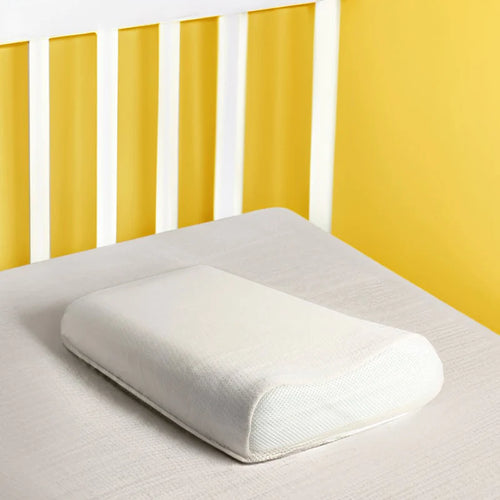
| Loft Pillow™ | Fixed 12 cm or 15 cm | Soft, fluffy, compressible microfiber | Useful if you naturally bunch or reshape your pillow as you turn. |
| Essence Memory Foam Pillow™ | Fixed 12 cm | Medium-hard memory foam | Best suited to sleepers who already know a fixed 12 cm structured profile works for them. |
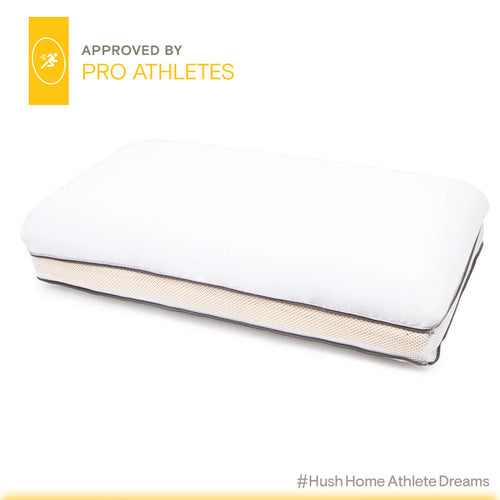
The Miracle Pillow™ is Hush Home’s most structured adjustable option. It uses removable memory foam layers to create 12, 14, 16 and 18 cm height settings, plus a two-sided construction with a softer microfiber side and firmer memory foam side.
For combination sleepers, the main advantage is that you can tune both height and feel instead of choosing one fixed profile. It is particularly worth considering if you switch mainly between side and back sleeping and prefer the stable support of memory foam.
However, the selected height remains fixed during the night. If you regularly move from side sleeping to stomach sleeping, choose the setup carefully rather than assuming the pillow will automatically become lower when you turn.
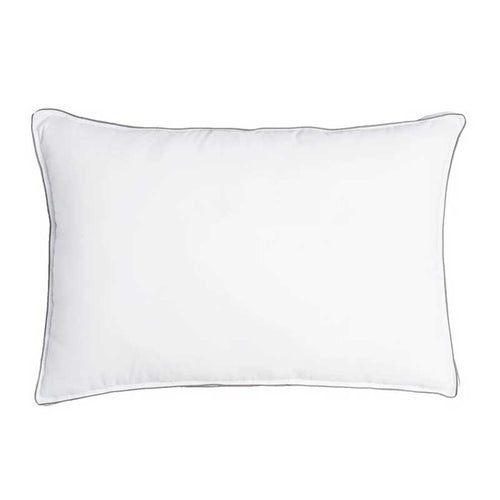
The OnePillow™ combines soft microfiber outer chambers with an adjustable middle layer of interlocking memory foam. Fill can be added, removed and fluffed to create any height below approximately 20 cm.
That makes it Hush Home’s most fine-tunable option for sleepers who want a softer, more mouldable hotel-pillow surface while still having a supportive centre.
It may be especially useful if you are still discovering your preferred compromise height, because the fill can be adjusted more gradually than a fixed set of layer heights.
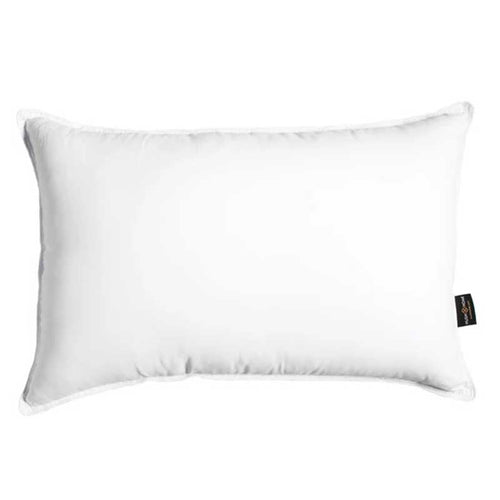
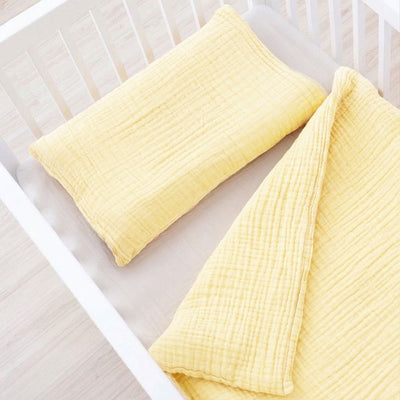
The Loft Pillow™ uses soft down-like microfiber and comes in two fixed heights: 12 cm and 15 cm. Its softer, more compressible construction makes it easier to bunch and reshape than a dense solid-foam pillow.
It can suit combination sleepers who value a fluffy hotel-pillow feel and naturally reposition their pillow as they move. The trade-off is that it does not offer the same precise height adjustment as the Miracle Pillow™ or OnePillow™.
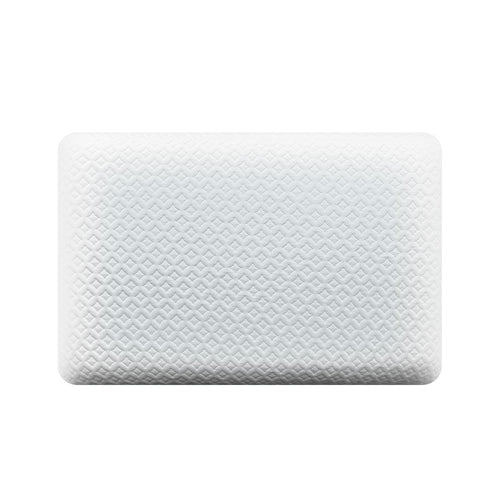
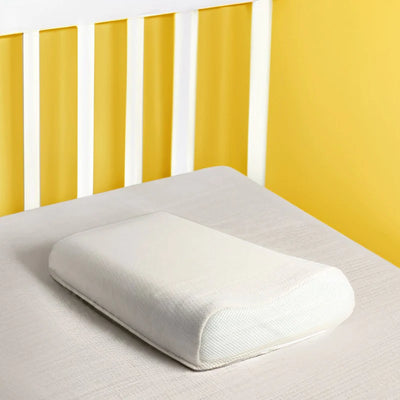
The Essence Memory Foam Pillow™ uses one fixed 12 cm memory foam core with a medium-hard feel. It is the simplest option for sleepers who already know that a 12 cm structured pillow suits them.
For frequent combination sleepers who are uncertain about height, it offers less correction range than Hush Home’s adjustable models.
All current Hush Home adult pillows include a 30-night Home Trial and 1-year HushCare warranty, subject to the published terms.
| Your Pattern | Useful Hush Starting Point |
|---|---|
| Side + back, structured support | Consider the Miracle Pillow™ at a middle height setting and adjust from there. |
| Side + back, soft hotel feel | Consider the OnePillow™ and fine-tune the middle fill until both positions feel workable. |
| Back + stomach | Prioritise a lower setup. If using an adjustable pillow, start near the lower end rather than the maximum height. |
| Side + stomach | Prioritise reshapeability and your dominant position. This combination usually requires the most compromise. |
| All three positions | Choose the pillow with the greatest useful adjustment range for your preferences rather than the most aggressive fixed contour. |
These are starting points, not prescriptions. Your body, mattress and comfort preference can move you in a different direction.
If you spend 40% of the night on your back, buying the tallest possible side-sleeper pillow may create a new problem whenever you roll over.
Most adjustable pillows need to be configured by hand. Find a compromise setting before sleep.
A 15 cm fluffy pillow can support much lower than a 12 cm dense foam pillow once your head is on it.
Shoulder width, body size, mattress firmness and pillow material all affect effective support.
Support is about maintaining a comfortable head and neck position, not simply resisting compression as much as possible.
If you change height, firmness and mattress topper at the same time, you will not know which change helped. Adjust one variable at a time.
A poorly matched pillow can contribute to morning discomfort, but persistent, severe or worsening neck pain can have many causes. If discomfort continues despite changing the pillow, seek advice from a qualified healthcare professional.
There is no universal height. A medium loft is a reasonable starting point for many side-and-back combination sleepers, but shoulder width, body size, mattress firmness and pillow compression can move the ideal height up or down. Side-and-stomach sleepers often need a more adjustable or reshapeable solution because the two positions require very different amounts of lift.
It can be a useful starting range for some people, especially back-and-side sleepers, but it should not be treated as a universal rule. A soft 5-inch pillow may compress lower than a firm 4-inch pillow, and your mattress can change the amount of support required.
They are often useful because they reduce the risk of being stuck with the wrong height. However, a well-fitted fixed pillow can still be excellent. Adjustability is a design feature, not a guarantee of better comfort.
It can be. Solid memory foam offers stable support, while shredded or interlocking memory foam is more reshapeable. If you move between side and back sleeping, structured memory foam can work especially well. If you frequently move onto your stomach, a highly rigid or tall solid-foam pillow may be less forgiving.
Many people find medium support easier to balance than either extreme. A very soft pillow may collapse during side sleeping, while a very firm pillow may feel too high or resistant on the back. Adjustable firmness can be useful if you are unsure.
Look for a pillow that provides enough effective loft for the shoulder gap during side sleeping but compresses enough that your head is not pushed too far forward on your back. Adjustable loft is particularly useful for finding that middle ground.
This is one of the hardest combinations. Prioritise your dominant position and choose a pillow that can compress or be reshaped significantly. A fixed, very high and very firm pillow is usually the least adaptable choice for this pattern.
Yes. A softer mattress may allow the shoulder and body to sink more deeply, reducing the head-to-mattress gap. A firmer mattress generally keeps the body higher. The Consumer Council has highlighted mattress firmness as a factor affecting pillow support height.
Pay attention to the position you wake in across several mornings, notice which position you return to after briefly waking at night, or ask a partner. You do not need an exact percentage; you just need to know which position should drive the pillow setup.
That should not usually be the goal. Movement during sleep is normal. A pillow for combination sleeping should accommodate your usual movement rather than trying to lock your head into one fixed position.
Unless the pillow is clearly uncomfortable, give yourself several nights to observe a pattern before making small changes. Adjust one variable at a time so you can tell whether the change improved side, back or stomach sleeping.
The best pillow for a combination sleeper is not necessarily the pillow with the most features. It is the pillow that stays within a comfortable support range as your body changes position.
Start by identifying your dominant sleep pattern. Side-and-back sleepers usually need a different compromise from back-and-stomach sleepers, while side-and-stomach sleepers face the largest height conflict. Then consider effective pillow height, compression, body size, shoulder width and mattress firmness.
For shoppers who are uncertain about the exact height they need, adjustability is valuable because it gives you room to correct the fit. At Hush Home, the Miracle Pillow™ provides four structured height settings plus two firmness feels, while OnePillow™ offers more gradual fill-based height adjustment with a softer hotel-pillow surface. Loft Pillow™ provides a more compressible fixed-height alternative, while Essence Memory Foam Pillow™ suits sleepers who already know they prefer a fixed 12 cm memory foam profile.