










週末補眠真的有用嗎?揭開「睡眠債」的殘酷科學真相
30 Mar 2026

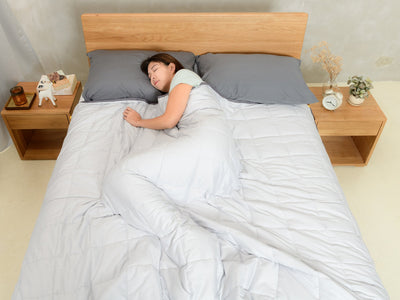
這是無數香港上班族的真實寫照:經歷了一整週瘋狂加班、趕死線與清晨趕車返工的疲憊轟炸後,星期六和星期日的早晨就成了你唯一的「還債時間」。你計劃一口氣睡到正午,深信這些額外的睡眠時數能完美抵消週一至週五所欠下的四、五個小時。
然而,睡眠科學給出了一個讓人心碎、卻不得不面對的驚人答案: 「睡眠債(Sleep Debt)」並不像信用卡的帳單,你無法單靠週末的一筆「意外之財」來輕鬆清還。
「週末補眠」的觀念建立在一項盲目假設上:只要熬夜後多睡幾晚,就能徹底修復慢性睡眠不足對身體造成的傷害。然而, 美國國家衛生研究院(NIH)近期的一項重大醫學研究指出,週末的補償性睡眠根本無法扭轉平日因缺乏睡眠而對身體機能造成的系統性破壞。
重創打擊新陳代謝: 週末補眠完全無法抵消平日睡眠不足對新陳代謝造成的實質損害。相反,研究發現,與持續睡眠不足的人相比,週末暴睡反而會進一步降低胰島素敏感度(這是引發二型糖尿病的前兆)。
越補越肥的體重陷阱: 臨床數據顯示,企圖在週末瘋狂補眠的用家,其體重增加的幅度與整星期都持續失眠、缺乏睡眠的人幾乎不相上下。
恢復精力的「虛假安全感」: 星期六中午醒來後的最初幾個小時,你可能會覺得自己精神抖擻,從而產生一種「身體經已復原」的錯覺。但事實上,在微觀大腦神經學下,你的反應速度和認知專專注力依然處於嚴重受損的低谷狀態。
當你在週末大幅度改變平日的睡眠時間表時,會在體內引發一種醫學上稱為「社交時差(Social Jetlag)」的生理現象。這代表你內在的生物鐘與現實社會的作息義務產生了嚴重的物理錯位。
憂鬱星期一的幕後黑手 (Monday Blues): 星期日睡到日上三竿,會直接推遲你體內褪黑素(Melatonin)的自然分泌節律。這會導致你星期日深夜極難入睡,注定讓你帶著更深一層的睡眠赤字,痛苦地開啟星期一的早晨。
驚人的四倍修復期: 頂尖文獻指出,人體僅僅失去了 1 個小時的睡眠,可能需要長達 4 天的時間才能完全恢復。 如果你想清還一整週累積下來的龐大睡眠債,你的身體實際上需要連續 9 天或以上的規律且充足的休息。
既然你無法透過週末「暴飲暴食式」的暴睡來贏回健康,那麼面對一星期的睡眠不足,你該如何補救?關鍵在於「漸進式的規律修復」,而非週末馬拉松式的補眠。
|
調整策略 |
實操方針 |
|
黃金 30 分鐘法則 |
與其在週末一口氣賴床 3 小時,不如在平日的每晚嘗試提前 30 分鐘就漸進式就寢。 |
|
高效午間短睡 |
午後進行一個 20 分鐘的充電式短暫午睡,能迅速恢復大腦功能,且絕不破壞你夜間的睡眠節律。 |
|
清晨核心陽光 |
起床後的第一個小時內,接觸 10–15 分鐘的戶外直接陽光,藉此牢牢錨定你的晝夜節律。 |
|
捍衛你的鬧鐘 |
即使到了星期六和星期日,起床時間也應維持在平日起床時間的 1 小時之內。 |
既然逝去的時間無法逆轉,你所能爭取的有限睡眠時數就必須具備極致的最高質素。慢波深層睡眠是身體細胞自我修復、大腦排毒以及調節核心荷爾蒙的關鍵黃金期。
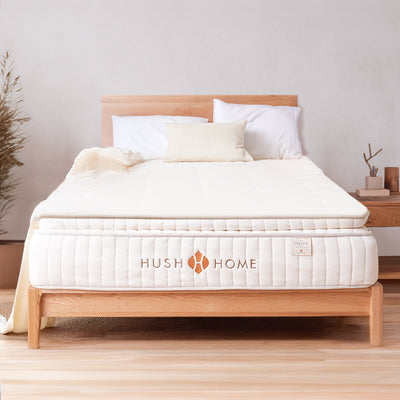
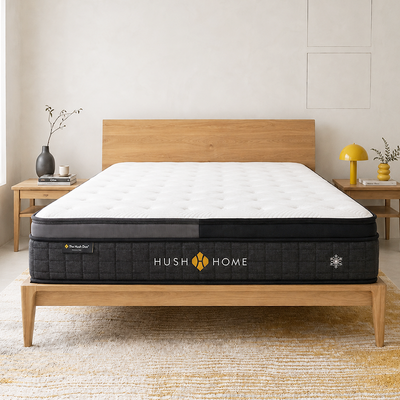
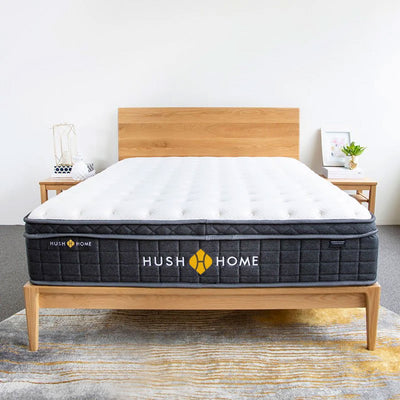
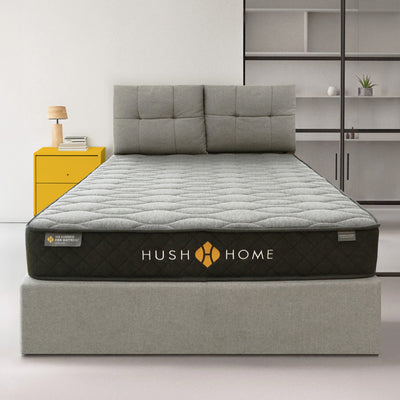
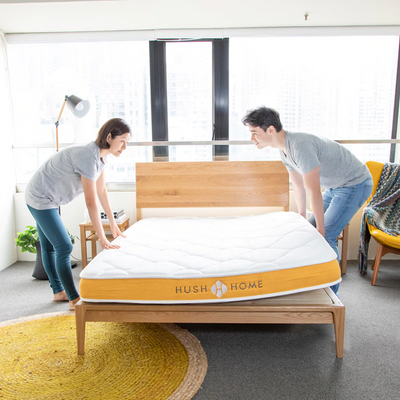
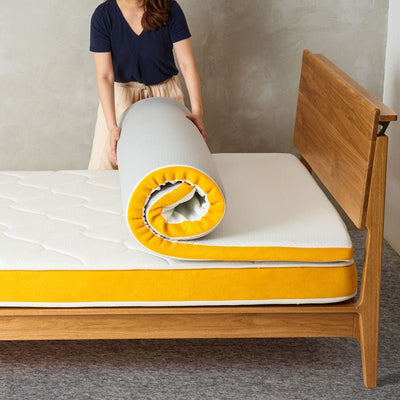
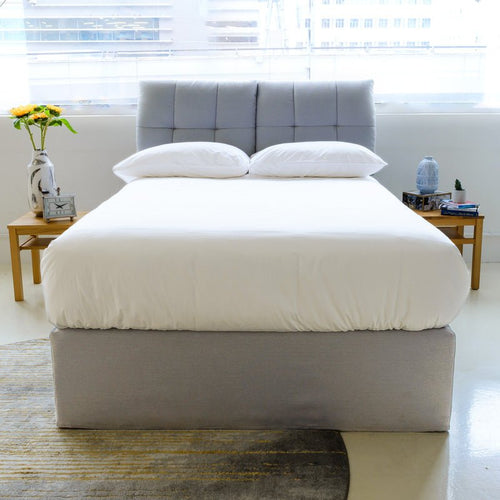
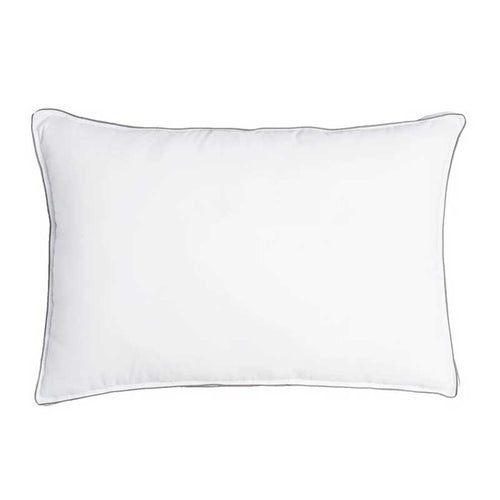
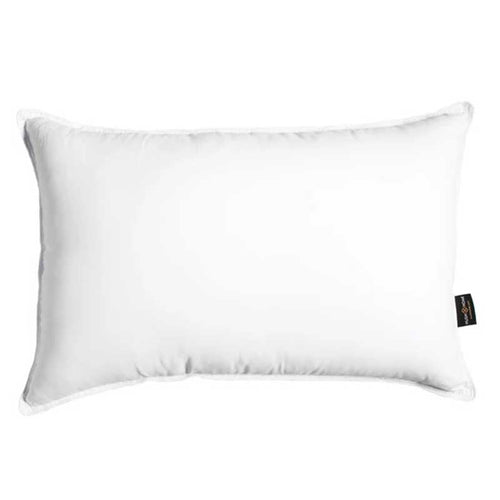
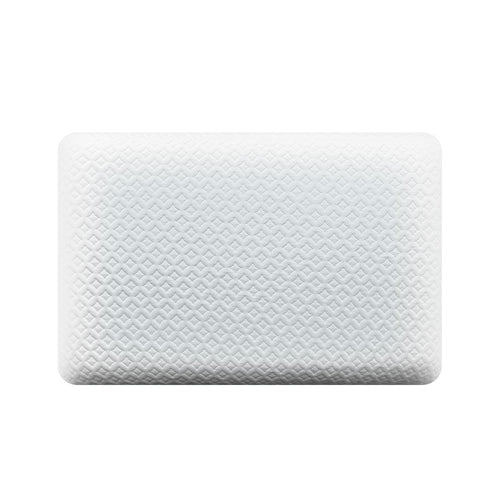
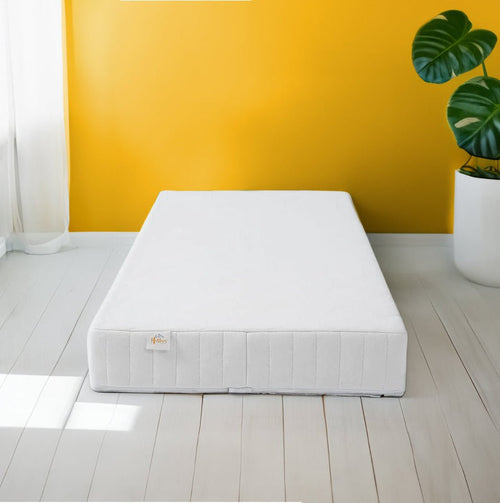
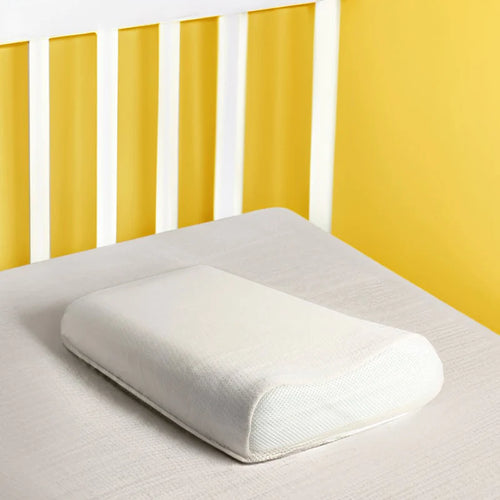
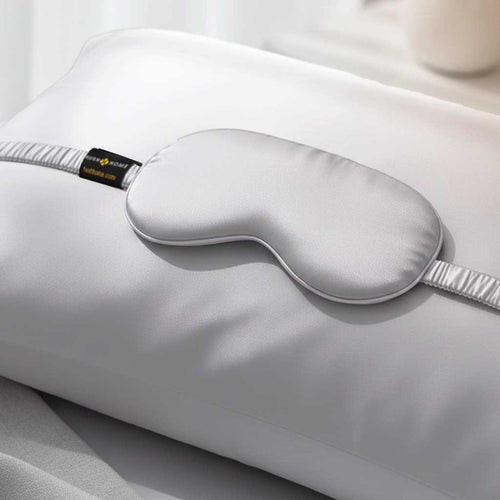
如果你的睡房環境正在拖你後腿,那麼再多的「補眠」也無濟於事。在 Hush Home,我們精心研發了全系列 床褥、 枕头 和 床上用品 ,旨在提供完美的 7 區人體工學護脊承托與極致的控溫散熱,幫你將每分每秒的休息效益極大化 。
不論你是躺在我們融合奢華舒適與工業級承托的 Hush 床褥™ 上,還是使用專為極致骨科挺舉力設計的 Essence Firm 護脊床褥™,高防護力的睡眠聖地都是你告別慢性疲勞、拉開日間高效差距的終極底氣。
你是否經已厭倦了「平日透支、週末昏睡」的無限惡性循環?今晚就從優化你的睡眠聖地開始,開啟真正的身體健康修復旅程吧!