
Bed Sheets Buying Guide 2026: Thread Count, Cotton & Weave Explained
09 Sep 2026

Choosing good bed sheets involves much more than looking for the highest thread count. The material, fibre quality, yarn construction, weave, mattress dimensions and fitted-sheet depth can all affect how a sheet feels, how it fits and whether it suits the way you sleep.
Thread count can be useful, but it should never be treated as a standalone quality score. A well-made sheet with a lower thread count can be a better choice than one with a much higher advertised number if the fibre, yarn or weave is different.
Comparing specific brands? See our Hong Kong Bed Sheet Brand Comparison Guide for a side-by-side look at Hush Home, Natural Home, Casablanca, IKEA, MUJI and other popular bedding brands by material, weave, fitted-sheet depth, price and shopping availability.

The best bed sheets for you depend on several factors:
There is no single specification that makes one bed sheet best for everyone.
Thread count is the combined number of horizontal threads and vertical threads woven into one square inch of fabric.
The horizontal threads are called the weft, while the vertical threads are called the warp.
For example: 200 warp threads + 200 weft threads = 400 thread count.
Thread count gives you some information about how densely a woven fabric is constructed, but it does not independently tell you how soft, breathable or durable the finished sheet will be. The quality of the yarn, fibre type, ply and weave all matter too.
Not necessarily.
If two cotton sheets use similar fibres, yarn quality and weave, a higher thread count may create a denser or smoother fabric. But once the fibre, yarn construction or weave changes, simply comparing the headline numbers becomes much less meaningful.
Very high advertised thread counts can also be produced by counting individual strands within multi-ply yarns separately. This can make the number much larger without automatically making the sheet softer or more durable.
Instead of asking only “Which sheet has the highest thread count?”, also ask what material it uses, how the yarn is constructed, what weave it uses and how the thread count is calculated.
There is no single ideal thread count for every bed sheet. Good-quality cotton sheets can exist across a broad range, and sateen often uses a higher thread count than percale because of the way it is woven.
400 TC is not automatically better than 300 TC.
800 TC is not automatically better than 400 TC.
The number needs context.
Ply describes how many strands are twisted together to form a yarn.
Ply is important when interpreting thread count because brands do not always present these figures in exactly the same way. Some manufacturers may count the individual strands within a multi-ply yarn separately, which can produce a much higher advertised number.
Imagine one square inch of fabric containing 200 warp yarns and 200 weft yarns.
200 + 200 = 400 yarns per square inch
With a single-ply construction, that corresponds straightforwardly to a 400-thread-count fabric.
If both strands of a two-ply yarn are counted independently, the advertised calculation could instead become:
(200 + 200) × 2 = 800
With three strands counted separately, it could become:
(200 + 200) × 3 = 1,200
This does not mean every 800- or 1,200-thread-count sheet is poor quality. It means shoppers should check how the number is calculated rather than assuming the larger number is automatically better.
Hush Home's Egyptian Cotton Hotel Sheets™, for comparison, disclose a 400-thread-count, 1-ply superfine-yarn construction rather than publishing the thread count without the ply specification.
Not all cotton fibres are the same. One important characteristic is staple length, meaning the length of the individual fibres used to spin the yarn.
Longer fibres can generally be spun into finer, smoother yarns with fewer exposed fibre ends. This can contribute to a softer and stronger finished fabric when the cotton is well processed and woven.
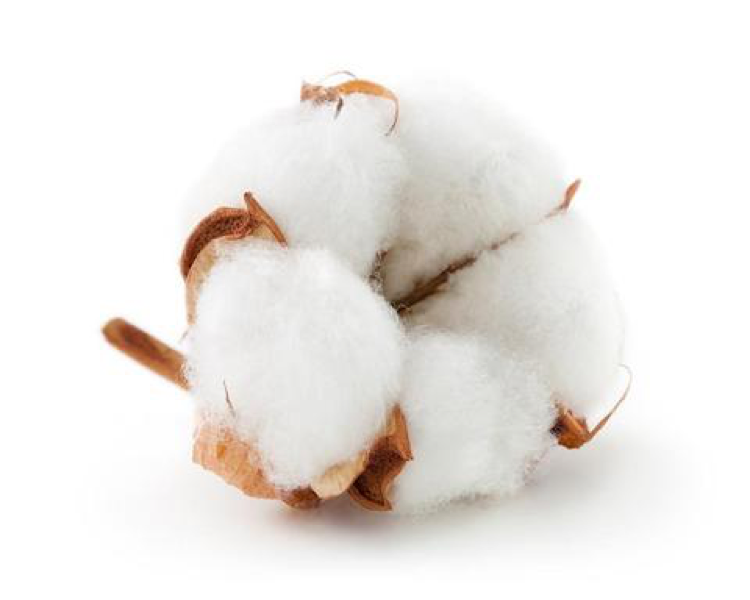
Egyptian cotton refers to cotton grown in Egypt. Premium Egyptian cotton varieties are well known for their long or extra-long fibres and are widely used in higher-end textiles.
Pima is another long- or extra-long-staple cotton category associated with smooth, fine yarns.
Supima® is a trademarked type of American-grown Pima cotton.
Standard cotton sheets can still be comfortable and well made. The fact that a product says 100% cotton does not tell you everything about its fibre length, yarn, weave or finishing.
Cotton type matters, but cotton type alone does not determine sheet quality.
High-quality Egyptian cotton can make excellent bed sheets, but the label alone is not a complete quality guarantee.
Long-staple fibres can generally produce finer and smoother yarns. However, the finished fabric still depends on the actual fibre quality, staple length, yarn fineness, ply, weave, finishing and manufacturing quality.
A well-made regular cotton sheet can therefore be preferable to a poorly constructed sheet that simply carries an Egyptian cotton label.
Hush Home's current Egyptian Cotton Hotel Sheets™ use 100% Egyptian long-staple cotton, 1-ply superfine yarn and a 400-thread-count sateen weave.
For a deeper comparison of cotton types, see our Egyptian Cotton vs Regular Cotton guide.

Percale and sateen are weaves, not different varieties of cotton. The same underlying material can feel noticeably different depending on how the yarns are woven.
Percale typically uses a simple one-over, one-under weave. It generally produces a fabric that feels crisp, lightweight, matte and airy.
Percale is particularly worth considering if you like the fresh, crisp feel associated with freshly laundered sheets. It can also wrinkle more readily than sateen.
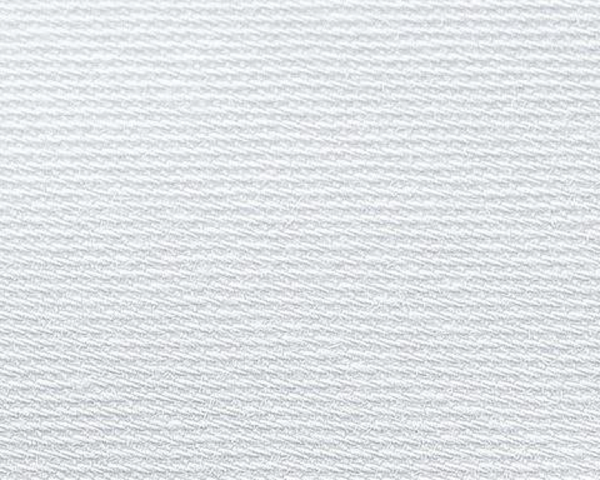
Sateen typically uses a weave structure with longer thread floats across the fabric surface. It generally creates a smoother feel, more drape, a subtle sheen and a silkier finish.
Hush Home's Egyptian Cotton Hotel Sheets™ use a 400-thread-count sateen weave.
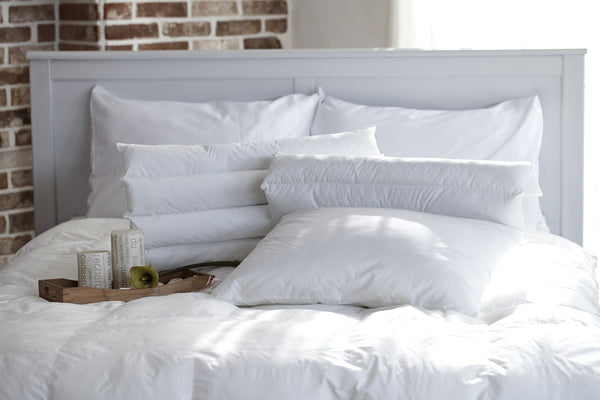
Neither weave is universally better. Both percale and sateen can be made at budget or premium quality levels.
Satin and sateen are not the same thing. Sateen usually describes a satin-style weave made with staple fibres such as cotton, while traditional satin is commonly associated with filament fibres such as silk. Satin can have a very smooth, glossy surface, but it should not be used interchangeably with cotton sateen.
Cotton is not the only option available to Hong Kong shoppers.
Linen is made from flax. It typically has a more textured, relaxed feel when new and can soften progressively through washing.
Lyocell is a regenerated cellulose fibre commonly made from wood pulp. It is often selected for its smooth hand feel and moisture-management characteristics.
TENCEL™ is a branded lyocell fibre produced by Lenzing rather than a generic name for every lyocell sheet.
The phrase “bamboo sheets” can describe several different fabrics, including bamboo lyocell, bamboo modal, bamboo viscose or rayon, and bamboo blends. Check the actual fibre composition instead of assuming every bamboo-labelled sheet is constructed in the same way.
If you want to compare these materials across brands, see our Hong Kong Bed Sheet Brand Comparison Guide.
Do not rely only on labels such as Single, Double, Full, Queen or King. Bed dimensions can differ between brands and markets.
Instead, measure your mattress in three directions:
Depth is especially important when buying a fitted sheet. A fitted sheet may have the correct width and length but still pull off the corners if its pocket is too shallow.
Hush Home's current fitted-sheet sizing covers the main Hong Kong 3'0", 4'0", 4'6", 5'0" and 6'0" widths, and its fitted sheets are designed for mattresses up to approximately 12 inches / 30 cm thick.
For exact dimensions, see our Hong Kong Sheets Size Guide.
A fitted sheet has elasticated edges or corners designed to wrap around a mattress.
A flat sheet is a rectangular sheet without elasticated corners. It can be tucked underneath the mattress as a bottom sheet or placed between you and your duvet as a top sheet.
Flat sheets can be more forgiving when a mattress has unusual dimensions because they do not rely on an exact fitted pocket.
They can be, but thread count is not the only reason.
A very densely woven sheet may allow less airflow than a lighter construction. The fibre and weave also influence temperature. Percale, for example, generally feels lighter and airier than sateen, while sateen typically feels denser and more draped.
Sleeping temperature also depends on your duvet, mattress, bedroom temperature, air conditioning, pyjamas and individual sensitivity to heat.
For Hong Kong sleepers, the sheet should therefore be considered as part of the whole sleep environment, not in isolation.
Rather than searching for one magic thread count, use this seven-step checklist:
The best bed sheets are the ones that combine the material and feel you prefer with the correct fit for your mattress.

For sleepers who prefer a smooth cotton sateen feel, Hush Home's Egyptian Cotton Hotel Sheets™ currently use:
Rather than relying on thread count alone, these specifications explain the fibre, yarn construction, weave and fit together.
A 400-thread-count sheet can be an excellent choice, but the number alone does not determine its quality. Check the fibre, yarn ply and weave as well. Hush Home's sheets, for example, specify 400 TC alongside Egyptian long-staple cotton, 1-ply superfine yarn and sateen weave.
Not automatically. An 800 TC sheet may use fine yarns and a dense construction, or its count may reflect multiple strands within multi-ply yarn. Compare the fibre, ply, weave and how the thread count is calculated rather than assuming 800 is twice as good as 400.
There is no universal number for hot sleepers. Weave and material can matter as much as thread count. Percale generally feels lighter and airier than sateen, while very dense constructions can sometimes feel warmer.
Egyptian cotton can be worth considering if you value fine, smooth cotton yarns and premium bedding. However, check whether the product clearly explains its fibre, weave, yarn construction and cotton content rather than relying only on the words “Egyptian cotton”.
Neither is objectively better. Percale generally suits people who prefer crisp, matte and airy sheets, while sateen generally suits people who prefer smooth, silky and more draped bedding.
Your fitted sheet needs enough pocket depth to wrap securely underneath your mattress. Measure the full thickness of the mattress before ordering, especially if you use a thick mattress or built-in pillow top. Hush Home's current fitted sheets fit mattresses up to approximately 30 cm / 12 inches.
A good bed sheet is not defined by the largest number printed on the package.
The best choice combines material + fibre quality + yarn construction + weave + appropriate thread count + correct mattress fit.
Thread count can still be useful, particularly when you understand how it was calculated. But it works best as one part of the comparison, rather than the final verdict.
Likewise, Egyptian cotton can make excellent premium bedding, while percale and sateen can both be high-quality weaves depending on the sleeper's preferred feel.
If you are choosing between specific brands, use our Hong Kong Bed Sheet Brand Comparison Guide to compare Hush Home with Natural Home, Casablanca, IKEA, MUJI, Marks & Spencer, Zara Home and other bed-sheet brands available locally.