





How to Deal With Jet Lag? A Guide for Hong Kong Travellers
12 Feb 2026
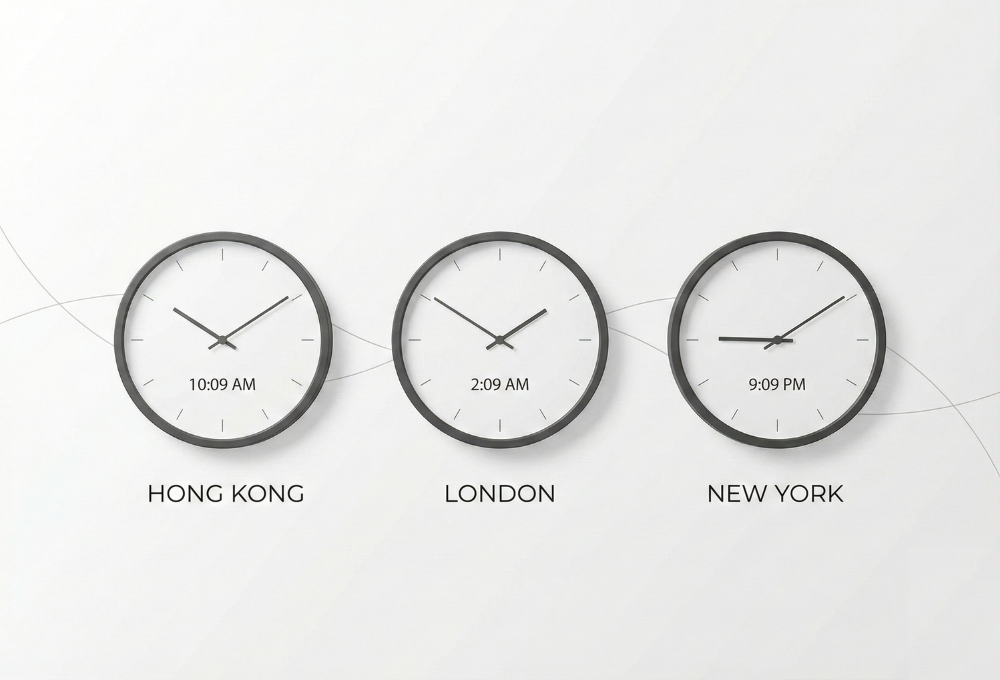
Whether you’re touching down at HKIA after a marathon flight from London or heading east to New York, there’s one travel companion no one wants to bring home: Jet Lag.
Jet lag is more than just feeling "tired." Jet lag is a physiological disruption that occurs when your internal biological clock (your circadian rhythm) stays anchored to your home base while your body is physically thousands of miles away. It’s your brain’s way of asking, "Why are we eating dinner when it's clearly 3:00 AM?"
For the modern Hong Konger, long-haul travel is a way of life. But while you can’t control the time zones, you can control how your body reacts to them.
Here, we’ve collected recommendations from travel health authorities, aviation medicine specialists, and researchers to provide Hong Kong travellers with an evidence-based protocol for managing jet lag and reclaiming your sleep.
According to the Hong Kong Department of Health, the biggest mistake you can make is starting a trip while already sleep-deprived. Entering a flight exhausted doesn’t help you "sleep better" on the plane; it simply makes your recovery time much longer.
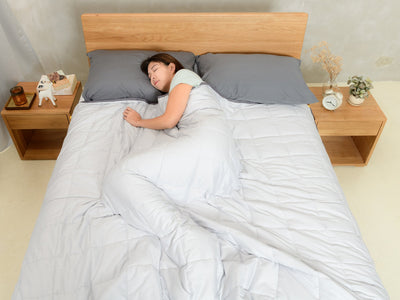
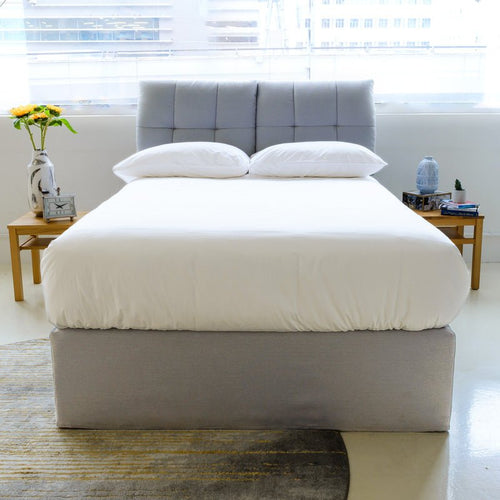
In the 3 nights leading up to your flight, prioritise high-quality rest. Ensure your home environment is optimised—cool, dark, and supportive—so you start your journey at 100%.
Short Trips (Less than 3 Days): If your trip is short (less than 3 days), If you're on a quick business trip to Singapore or Tokyo, don't bother adjusting. Stay on Hong Kong time for meals and sleep to avoid "double-shifting" your body clock.
Longer Trips (>3 days): Start shifting your bedtime by 1–2 hours toward your destination's time zone a few days before departure.
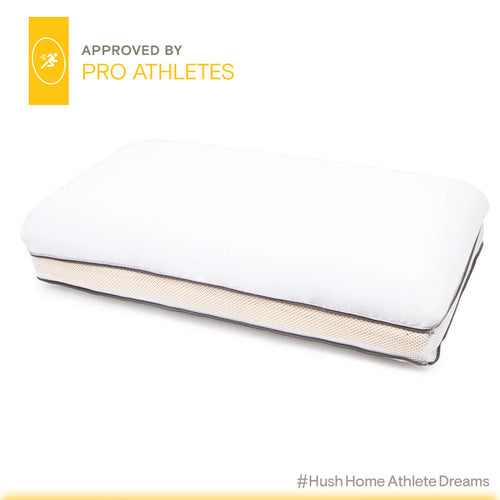
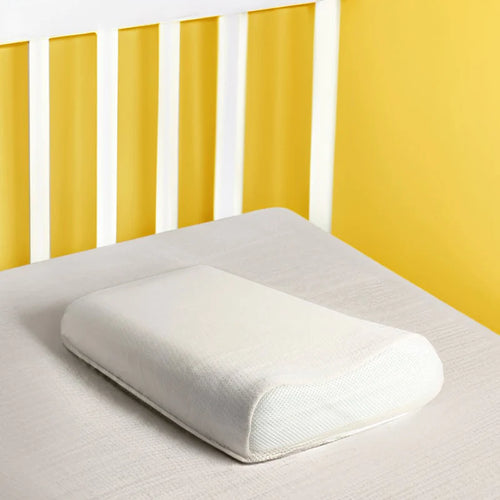
Pro Tip: Use your pre-bed ritual to signal your brain it's time to wind down. Whether at home or in a hotel, consistent habits like dimming the lights and using a familiar, supportive pillow can trigger "sleep mode" faster.
The cabin of a long-haul flight is a challenging environment for sleep. To survive the journey, you need to be intentional.
Change your watch to your destination's time the moment you board. If it’s 10:00 PM at your destination, try to sleep immediately, even if it’s midday in Hong Kong.
Dehydration is the silent partner of jet lag. It worsens headaches and fatigue, making it harder for your body to adjust.
Avoid: Caffeine and alcohol close to your planned sleep window.
Eat: Water and light meals to avoid gastrointestinal stress.
Just as you invest in a supportive, breathable mattress for your home, you need to curate your comfort in the air.
Use a high-quality neck or lumbar pillow. Proper spinal alignment isn't just for your bedroom; it prevents the aches that make inflight sleep impossible.
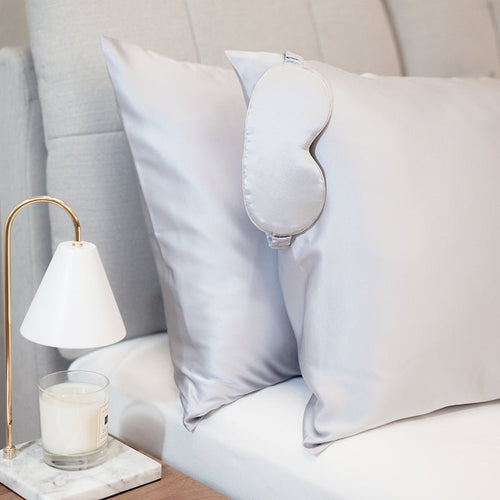
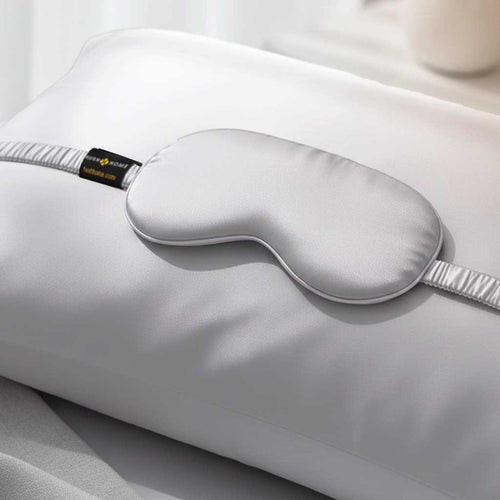
Consider using a sleep eye mask and noise-cancelling headphones to create a dark, quiet "micro-environment" similar to your bedroom setup at home.
Once you land, your goal is to "anchor" your body to the local time as aggressively as possible.
Light is the most powerful signal for your circadian rhythm. If you arrive in Europe in the morning, get outside immediately. Natural light suppresses melatonin and tells your brain the day has begun.
If you must nap, keep it under 90 minutes and finish before 6:00 PM local time. Anything longer will prevent you from falling asleep at the correct local hour.
Eastbound vs. Westbound: Remember that flying East (HK to North America) is generally harder than flying West (HK to London). When flying East, be extra disciplined about avoiding bright light in the late afternoon to help your body "advance" its clock.
Many Hong Kong travellers turn to melatonin to help bridge the gap. Melatonin is a naturally occurring hormone that tells your brain it’s dark and time for bed.
When your internal clock is stuck in a different time zone, supplemental melatonin can be helpful in adjusting to a new sleep schedule and reducing the severity of jet lag symptoms.
Dosage: More is not always better. Most specialists suggest starting with a low dose (0.5mg to 3mg). High doses can often lead to "melatonin hangovers" or grogginess the next morning.
Take it about 30–60 minutes before your target bedtime in the new time zone.
Use it for the first 2–3 nights only. It is a tool to help you shift your cycle, not a long-term solution for insomnia.
Caution: Always consult a healthcare professional before starting any supplement, especially if you are on other medications or have underlying health conditions.
Here is how to handle the most popular long-haul journeys from HKIA using common flight schedules.
Outbound: 11:00 PM – 5:25 AM
Return: 4:50 PM – 1:20 PM
On the way there: This 11:00 PM departure is a gift — it aligns with your natural Hong Kong bedtime. Wear your most comfortable layers, use a supportive travel pillow to protect your neck, and try to sleep for at least 6 hours of the flight.
When you land at 5:25 AM, you’ll feel like it’s 1:00 PM in HK. Do not nap. Get a strong coffee, seek out bright London morning light, and stay active until 9:00 PM local time.
Returning to Hong Kong: You arrive in the early afternoon. Your body will feel like it’s 5:00 AM (London time). The temptation to "crash" at 3:00 PM is high. Resist it! Stay awake until 10:00 PM.
Outbound: 4:30 PM – 7:05 PM
Return: 1:45 AM – 6:30 AM
On the way there: Arriving at 7:00 PM is ideal. By the time you get through JFK and to your hotel, it will be 9:30 PM—perfect for a local bedtime. Take a low-dose melatonin 30 minutes before bed to ensure you stay asleep, as your brain will think it's 10:00 AM in Hong Kong.
Returning to Hong Kong: This 1:45 AM departure is the "Ghost Flight." You’ll land in Hong Kong at sunrise (6:30 AM). You will be exhausted, but morning sunlight is your medicine. Go for a walk along the Harbourfront or a hike to catch the sunlight.
Outbound: 11:15 PM – 7:15 PM
Return: 12:20 AM – 6:55 AM
On the way there: You fly through the night and arrive just in time for dinner. This is the "Goldilocks" flight because it aligns perfectly with a full night’s sleep. Since you depart at 11:15 PM, try to fall asleep on the plane immediately after take-off.
When you land at 7:15 PM, you’ll likely be clearing customs right as Vancouver is heading to bed. Skip the heavy late-night poutine; grab a light snack, avoid your phone, and aim for a 10:30 PM bedtime. Your body will naturally want to wake up early—use that "extra" morning time to soak up the sun.
Returning to Hong Kong: You’ll land at 6:55 AM, just as Hong Kong is waking up. This is the ultimate test of willpower. Your internal clock will feel completely scrambled because you’ve "lost" a day crossing the International Date Line. The mission? Stay awake. Do not go home and crawl under the covers immediately.
The final step in beating jet lag happens once you return to Hong Kong. Your body needs several nights of consistent, restorative sleep to fully recalibrate. This is where your environment becomes your greatest tool.
Temperature is Key
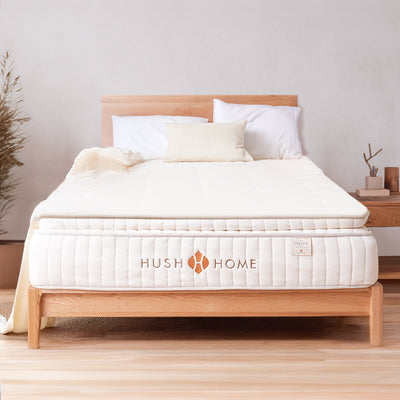
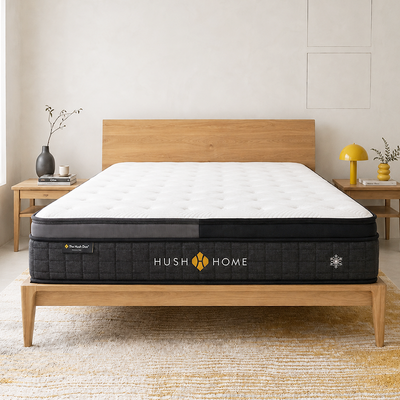
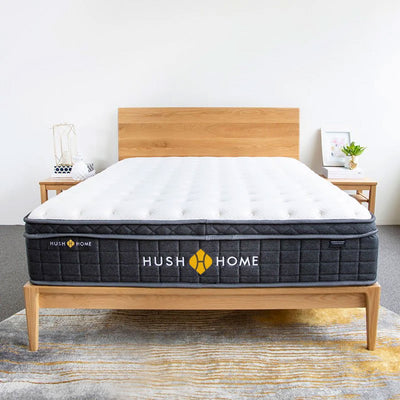
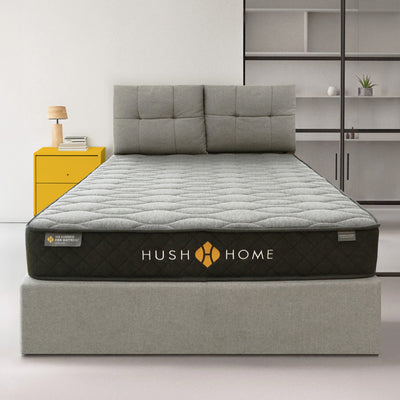
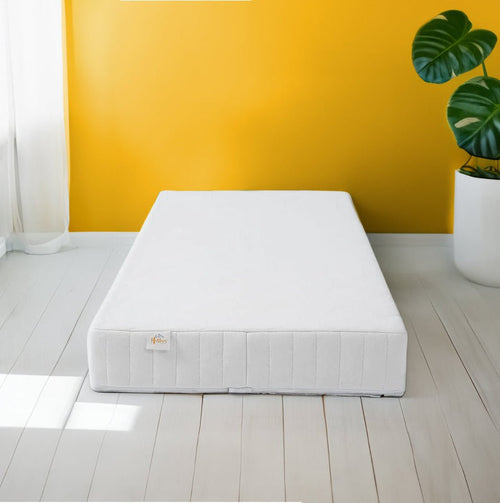
Hong Kong’s humidity can make "sleeping off" jet lag difficult. Your body temperature needs to drop to initiate deep sleep. This is why we design our Hush Home mattresses and Egyptian Cotton bedding with breathable, moisture-wicking materials like bamboo fibre and organic cotton. They keep you cool even when your internal clock is running hot.
Pressure Relief
When your sleep is fragile due to time zone shifts, every toss and turn matters. A mattress with superior motion isolation ensures that even if you wake up at 4:00 AM, you can settle back into a deep state of rest without discomfort.
|
Phase |
Tips |
| Pre-Flight |
Build a "sleep reserve" on a supportive mattress. |
| In-Flight | Follow destination time; stay hydrated and avoid alcohol |
| Post-Arrival | Seek natural sunlight; stay awake until local time 10:00 PM. |
| Recovery | Return to a cool, breathable sleep environment. |