












The Relationship Between Gut Health and Sleep Quality
26 Feb 2026
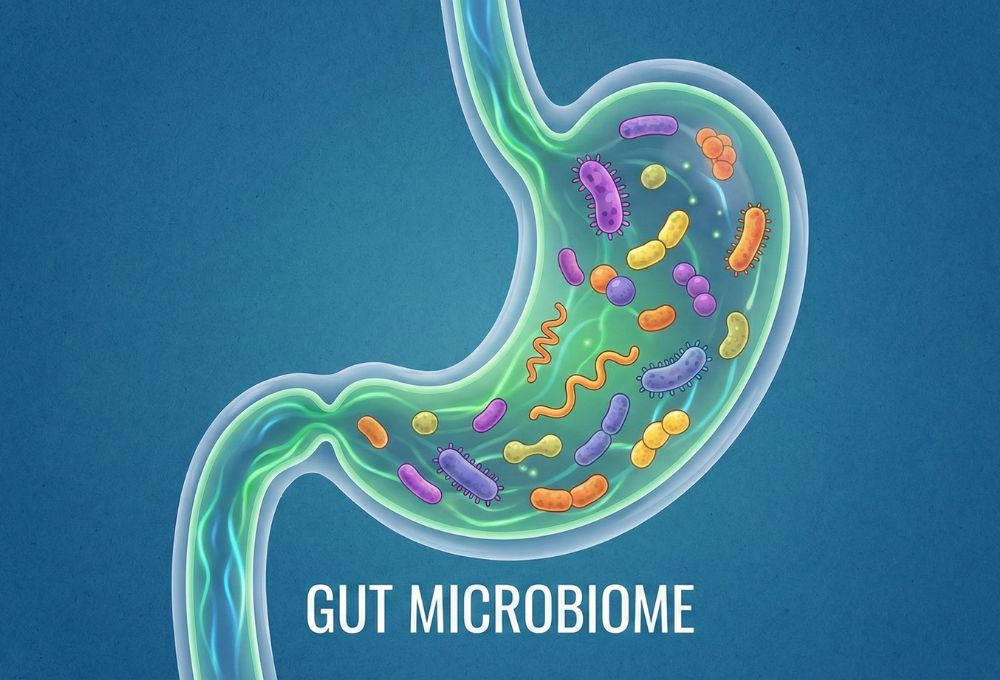
We often think of sleep as a "brain" activity. If we can’t sleep, we assume it’s because our minds are racing.
However, emerging science suggests that the key to a better night’s rest might not be in your head—it might be in your stomach. There is a powerful, two-way communication highway between your digestive system and your brain, known as the gut-brain axis.
This is why a stressful day can give you a stomach ache, and why a heavy, late-night meal can ruin your sleep.
In food-obsessed Hong Kong, understanding this connection is vital for wellness. Here is the science of the gut-sleep relationship and how to optimize both.
Your gut is often called your "second brain." It contains millions of neurons and is home to trillions of bacteria (your microbiome) that influence your health.
Crucially, your gut is the primary factory for many of the neurochemicals that regulate sleep:
You’ve heard of melatonin, the "sleep hormone." But did you know that melatonin is derived from serotonin, the "happy hormone"?
Here is the surprising fact: Over 90% of your body's serotonin is produced in your gut, not your brain.
If your gut microbiome is unbalanced due to poor diet, stress, or inflammation, it cannot produce serotonin efficiently. Less serotonin means less melatonin, which means significantly poorer sleep quality.
The gut and the brain are physically connected by the Vagus nerve. If your gut is inflamed or digesting heavy food late at night, it sends distress signals up this nerve to the brain stem, keeping your body in a state of alert rather than allowing it to transition into deep, restorative sleep.
This gut-sleep connection works both ways, creating a cycle that many Hong Kongers find themselves trapped in:
High Stress: Life in HK is notoriously high-pressure; unfortunately, stress negatively impacts your gut bacteria balance.
Poor Sleep: An unhappy gut leads to fragmented, light sleep rather than deep rest.
Bad Cravings: When you are sleep-deprived, your brain craves high-sugar, high-fat "comfort foods" for quick energy.
Gut Damage: A diet high in processed foods further damages the gut microbiome, restarting the entire cycle.
Furthermore, our love for late-night dining—from spicy hotpot at 10 PM to late-night dim sum—forces our digestive systems to work overtime right when they should be resting.
You don’t need to overhaul your entire life to fix this. Small, strategic changes to your routine can yield big results.
This is the hardest but most important rule: Finish eating 3 hours before bedtime.
Your body needs time to move food out of the stomach before you lie down. Lying flat too soon after eating causes acid to creep up into the esophagus (acid reflux), which might not fully wake you up but will pull you out of deep sleep cycles.
Incorporate prebiotics (fiber that feeds good bacteria) and probiotics (live good bacteria) into your diet.
Probiotics: Miso soup, kimchi, sauerkraut, and yogurt with live cultures.
Prebiotics: Garlic, onions, bananas, and oats.
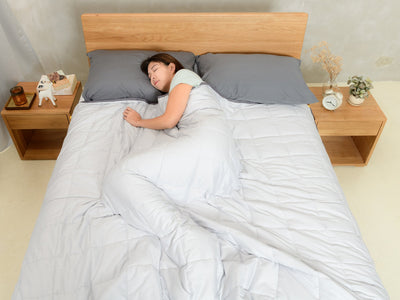
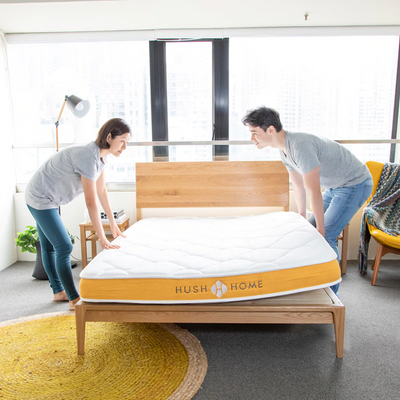
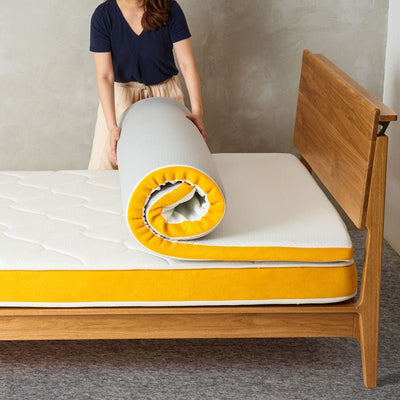
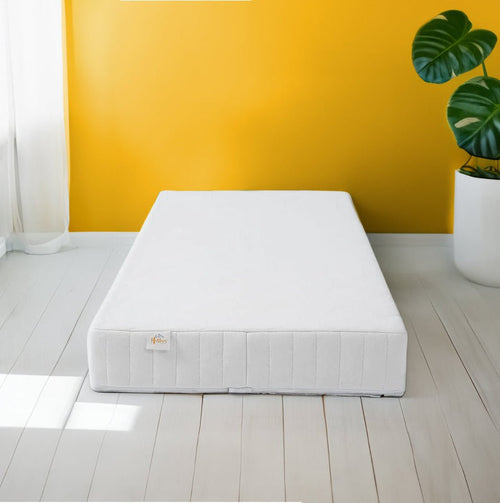
Your sleep environment plays a surprising role here. If your mattress is unsupportive, it creates physical stress and pressure points on your body, keeping your nervous system activated.
Furthermore, for those who suffer from occasional acid reflux, sleeping on your left side is scientifically proven to reduce symptoms because of the angle of the stomach valve.
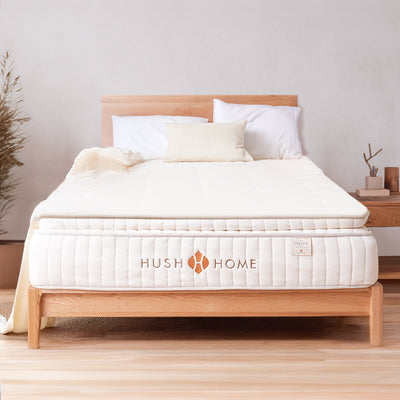
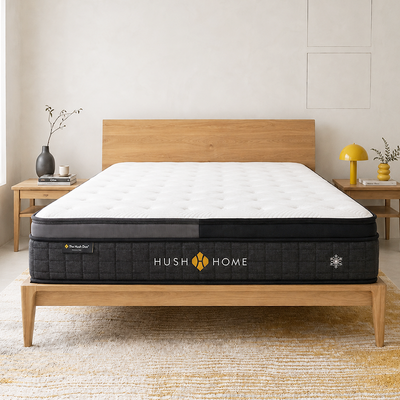
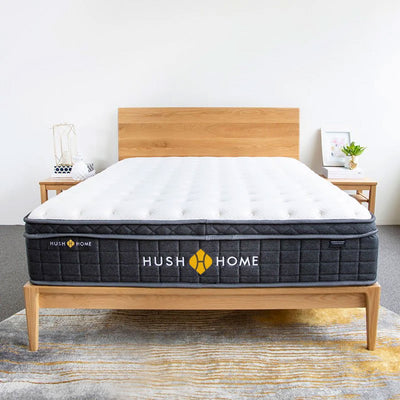
Hush Home Tip: A mattress with excellent pressure relief is crucial for comfortable side-sleeping. It allows your hips and shoulders to sink in just enough, keeping your spine aligned and your digestive tract relaxed during the night.
If you are struggling with sleep, don't just look at your habits in the bedroom; look at your habits in the kitchen. By nurturing your gut health through mindful eating schedules and a balanced diet, you aren't just improving your digestion—you are laying the foundation for the deep, restorative sleep your body craves.