









The Science of Revenge Bedtime Procrastination in Hong Kong
10 Apr 2026
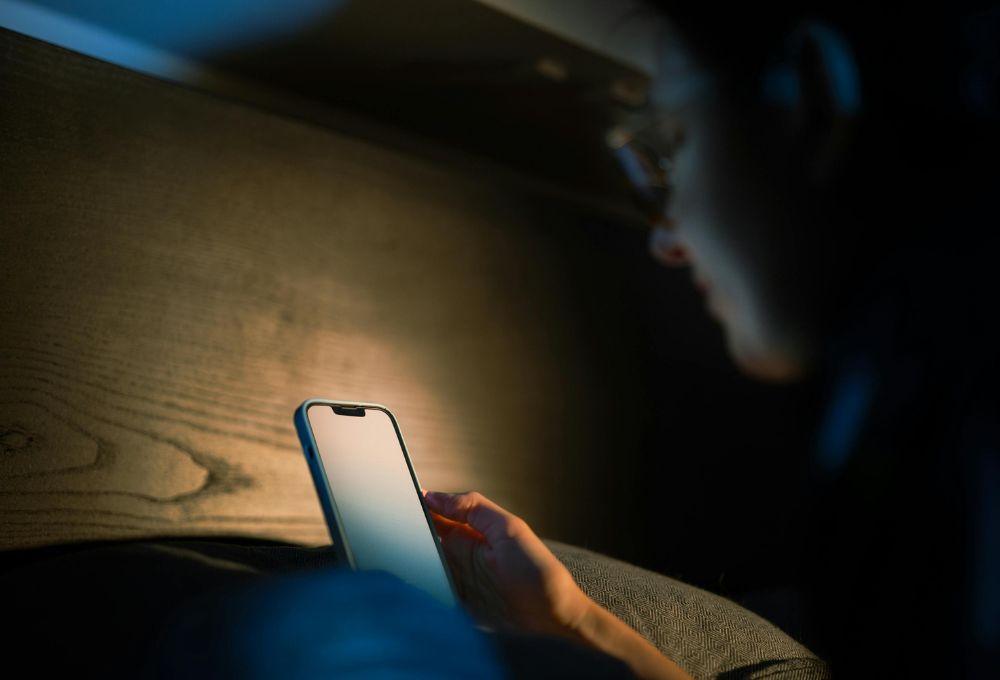
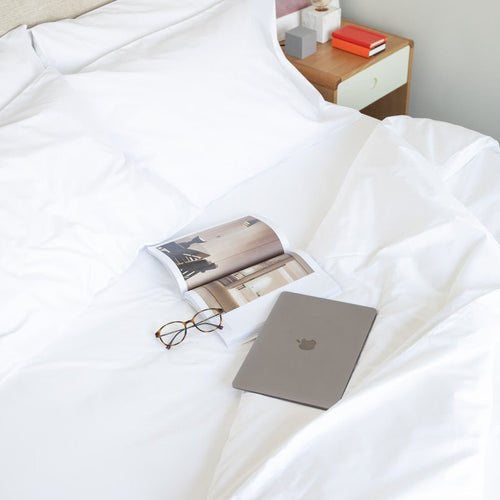
It’s 12:30 AM on a Wednesday. You are exhausted. You have an early meeting tomorrow. Yet, you are still awake—scrolling through Instagram, watching one more episode on Netflix, or finally reading that book. Your eyes are heavy, but your brain refuses to shut down.
If this sounds familiar, you are engaging in Revenge Bedtime Procrastination (RBP).
Revenge Bedtime Procrastination (報復性熬夜) is the decision to delay sleep in favor of leisure activities, despite being tired. It occurs when individuals feel they have little control over their daytime life due to high-pressure work or family obligations. Staying up late is a "psychological rebellion" to snatch back a sense of personal autonomy and freedom.
While RBP happens globally, Hong Kong’s environment is practically designed to foster it. As of 2026, the city remains a high-intensity hub where the boundaries between "office" and "home" are increasingly thin.
Extreme Working Hours: With Hong Kong consistently ranking low in Global Work-Life Balance indices, many professionals don't finish their "personal" chores until 9:30PM. Going to bed immediately feels like admitting life is just "work and sleep."
The "Always-On" Digital Culture: Answering emails on the MTR home means your brain hasn't actually clocked off. The late-night hours offer the only "digital quiet zone" where no one expects a reply.
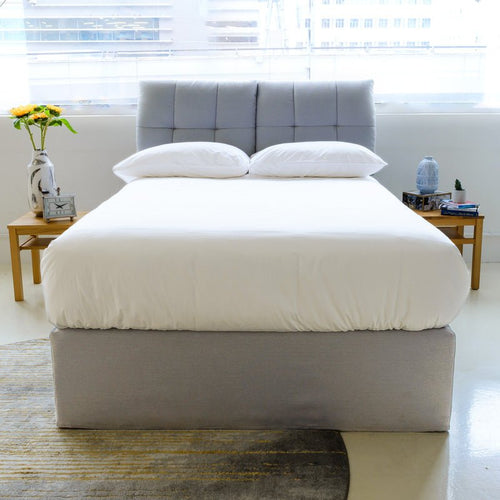
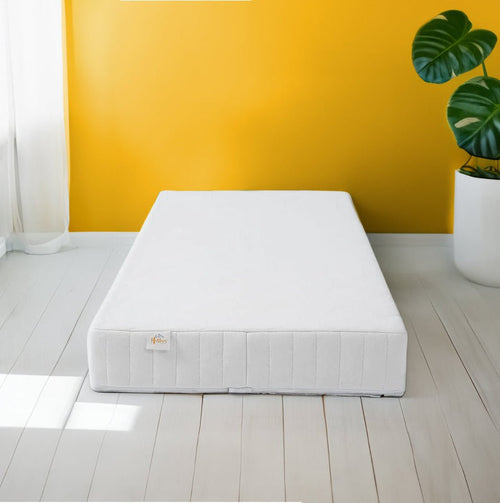
Compact Living Sanctuaries: In a typical HK apartment, space is at a premium. Often, the bed is the only place you can truly be alone. Your mattress becomes your only private sanctuary for "me time."
The problem with this rebellion is that the victim is your future self. You are essentially "stealing" energy from tomorrow to pay for the stress of today.
|
The Short-Term "Win" |
The Long-Term "Cost" |
|
Temporary sense of freedom |
Cognitive Decline: Reduced focus and memory. |
|
Quiet, uninterrupted "me time" |
Emotional Volatility: Increased anxiety and irritability. |
|
Finishing "one more episode" |
Weakened Immunity: Higher susceptibility to illness. |
|
Digital social connection |
Chronic Fatigue: Persistent "brain fog." |
Breaking the RBP habit doesn't mean giving up your leisure; it means rescheduling your autonomy.
Treat the hour before sleep as a transition, not a cliff. Instead of doom-scrolling until your eyes close, dim the lights and listen to a podcast.
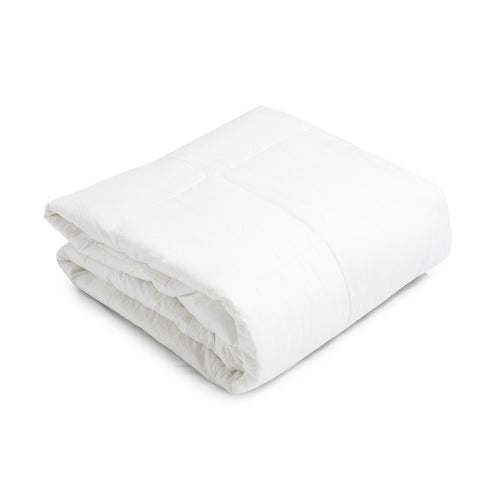
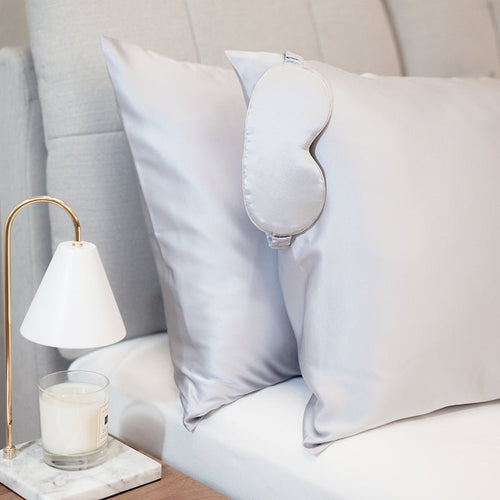
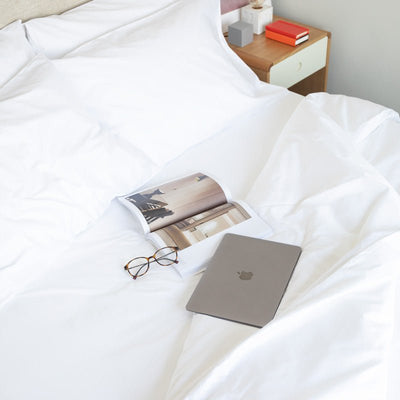
Hush Home Tip: Make your bed so inviting that sleep feels like a reward, not a chore. Slipping into cool, breathable Egyptian Cotton sheets can shift your mindset from "I want to stay awake" to "I deserve to rest."
Don't save all your need for autonomy until midnight. Find 15-minute pockets during the day that are just for you—a walk during lunch without your phone, or reading on the commute instead of checking emails. By feeding your need for control earlier, the urge for "revenge" at night becomes weaker.
If your target bedtime is 11:30PM, set a "Hard Stop" alarm for 10:45 PM. When the alarm goes off, the screens go off. This creates a clear boundary that your brain can rely on.
Q: Is Revenge Bedtime Procrastination the same as Insomnia?
A: No. Insomnia is the inability to sleep despite trying. RBP is the voluntary delay of sleep. However, chronic RBP can eventually lead to sleep onset issues similar to insomnia.
Q: Does using a "Blue Light Filter" make late-night scrolling okay?
A: While filters help, the content is the issue. Interactive scrolling keeps your brain in a state of "High Arousal," which prevents you from entering the deep REM cycles needed for recovery.
Q: How can a weighted blanket help with RBP?
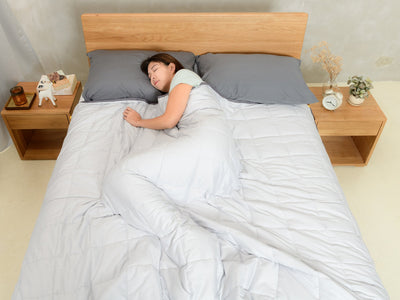
A: Many people procrastinate sleep because their nervous system is still "vibrating" from a stressful day. Using a Weighted Blanket provides deep pressure touch, which naturally lowers cortisol and helps your brain transition from "Alert" to "Rest."
Revenge Bedtime Procrastination is an understandable response to the pressures of life. But true freedom isn't found at 2AM staring at a screen; it’s found in waking up refreshed and ready to handle whatever the city throws at you. It’s time to stop taking revenge on your sleep and start prioritizing your recovery.