













5 Takeaways from the Consumer Council’s Duvet Test
10 Sep 2026
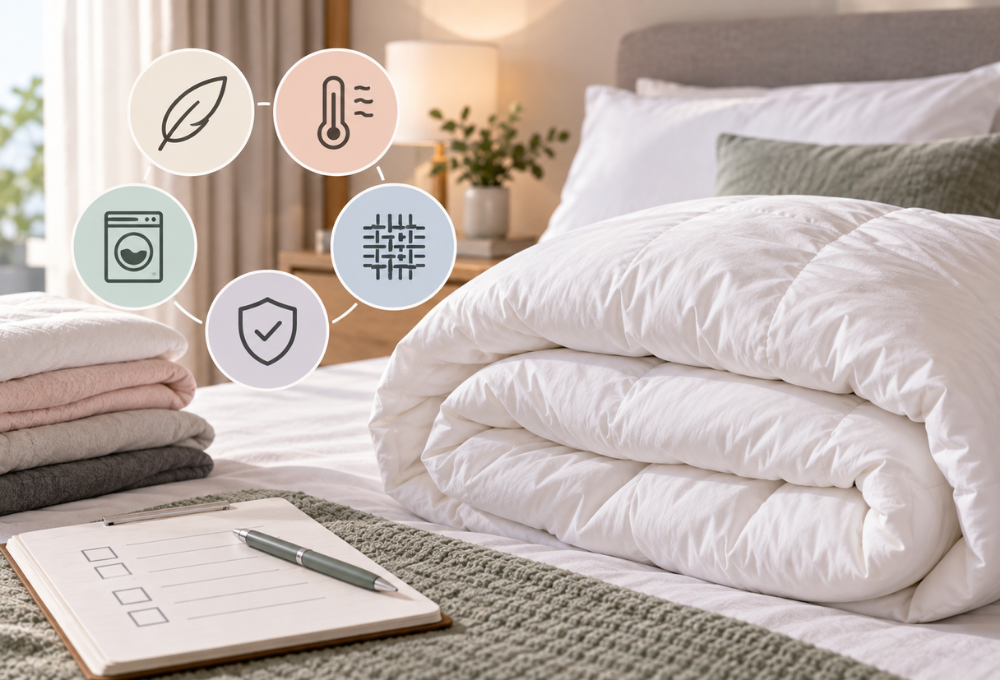
The most useful lesson from a duvet test is how to choose a quilt that suits your bedroom, not simply which one earns the most stars. Filling, warmth, construction and care all deserve a place on your shortlist. A duvet that feels comfortable on a chilly night may be too warm for the same person in a warmer room.
This guide draws on the Hong Kong Consumer Council’s November 2025 duvet test, published in CHOICE magazine, issue 589. It turns the findings into practical questions you can ask before buying. The Council’s results apply to the specific samples tested; this article does not imply its endorsement of Hush Home products. The five takeaways are our editorial grouping of the findings, not an official Council top-five ranking. [1]
Read beyond the material name and overall score. Check the actual filling, choose warmth for your sleeping conditions, and make sure the duvet is practical to clean, dry and store. The five takeaways below combine reported test findings with our buying suggestions.
The sample covered 20 double duvets: six down, four pure silk, five synthetic fibre and five wool models. The main assessments examined filling composition, washing and care, filling leakage through the casing, and resistance to smouldering cigarettes. Warmth and weight were measured separately for comparison. [2]
These are winter-duvet samples, not a complete guide to every duvet sold in Hong Kong. A laboratory comparison is useful evidence about a sampled product. It cannot tell you exactly how warm you will feel at home, with your usual air conditioning, sleepwear and duvet cover.
Two samples labelled as having 100% wool filling contained only 50.5% and 23.1% wool respectively. A synthetic-fibre sample also contained less soybean protein fibre than its label stated. These findings make accurate fibre disclosure a meaningful buying consideration. [1]
Before comparing prices, separate three pieces of information: the product’s name, the filling inside, and the outer fabric. A cotton shell does not mean cotton filling. Equally, a silky feel does not establish that the duvet contains natural silk. Ask for the composition of each part if the description is unclear.
A useful shopping question is: “What exactly am I paying for?” If your preference is a particular animal fibre, confirm its percentage. If you want an alternative filling, compare that product on its own specifications rather than assuming that a natural or synthetic label determines overall quality.
The Council did not score warmth. Its measured thermal resistance ranged from 4.8 to 11.1 TOG, and it cautioned against directly comparing TOG values across different filling categories in this test. A high overall rating should therefore not be read as a recommendation for maximum warmth. [1]
For your own shortlist, start with the bedroom you actually sleep in. Do you keep the air conditioning on overnight? Do you tend to push the duvet away? Is your room exposed to cold draughts in winter? These details give a shop assistant more useful information than saying you want the “best” quilt.
If you and your partner often disagree about warmth, discuss that before purchasing a heavier shared duvet. You could choose a lighter shared option with an extra layer for the colder sleeper, or consider separate duvets. This is a practical household choice, not a result established by the Council’s test.
After five cleaning cycles, one down sample and one synthetic-fibre sample had shrunk by around 7% in width. One wool sample leaked filling after dry cleaning. Most washable samples showed relatively small changes, but the exceptions underline why care performance matters. [1]
Ask how you will handle a spill or seasonal clean before bringing the duvet home. Does the label allow machine washing, hand washing or dry cleaning? Will your washing machine accommodate the duvet, and do you have a realistic way to dry it completely? A product can be washable on paper yet inconvenient in your home.
Cleaning costs also belong in the budget. If one option needs a professional service you are unlikely to use, its lower purchase price may not make it the more practical choice. Follow the instructions for the exact duvet rather than borrowing a washing temperature from another product with a similar filling.
The rubbing test identified weaker leak resistance in two down samples and two synthetic-fibre samples. The quality of a duvet is therefore not only about what is inside; the fabric containing the filling also has a job to do. [3]
When handling a sample, look at the edges, stitching and how evenly the filling is distributed. Ask how the construction helps keep the filling in place, and check that the duvet’s measurements fit your existing cover. A quick showroom inspection cannot reproduce a laboratory leakage test, but it can help you notice obvious workmanship concerns.
One silk sample showed progressive smouldering in the cigarette test. Passing this test is not a promise that bedding is fireproof: keep smoking and unattended flames away from the bed. [3]
For routine hygiene, the Council’s care advice recommends regularly washing removable duvet covers, sheets and pillowcases, and controlling excess humidity. That is particularly useful when deciding how a new duvet will fit into your existing laundry routine. Always distinguish washing the removable cover from cleaning the duvet itself. [4]
Before storing a duvet, make sure it is fully dry and follow its storage instructions. Do not assume that strong sunlight or the hottest tumble-dryer setting is suitable for every fibre. If your storage space is limited, consider the packed size and how easily you can take the duvet out when the weather changes. [4]

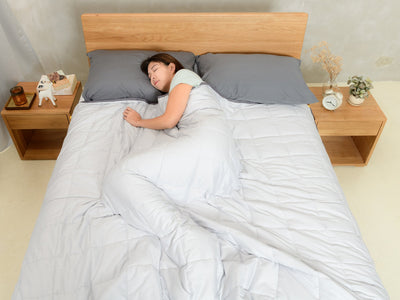
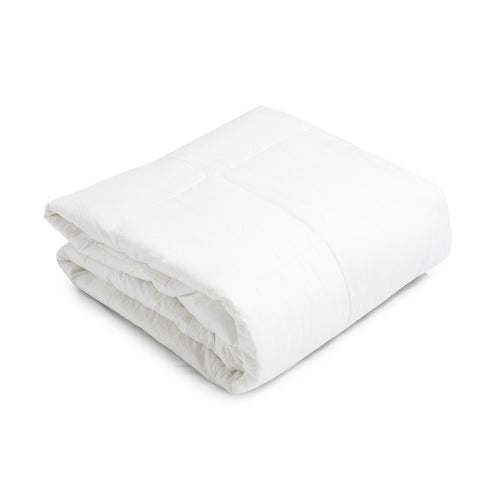
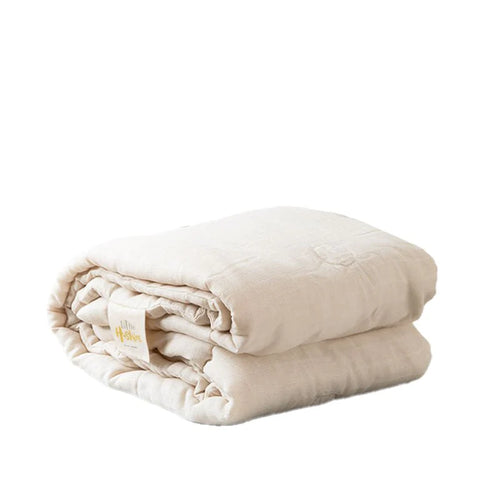
Our All-Season Duvet™ is listed with 100% microfibre filling, a fill weight of 250 gsm, a long-staple cotton shell and double-stitched piping seams. Its Chinese product name is 四季絲棉被™; the stated filling is microfibre, not natural silk. These are product specifications, not Consumer Council test scores. [5]
If you are considering it, use the same questions as you would for any other duvet: will the warmth suit your room, does the size match your cover, and can you follow its care instructions? “All-season” describes the intended use; your comfort still depends on how and where you sleep.
Explore the All-Season Duvet™No. Use the overall rating to understand performance in the assessed categories, then make a separate decision about warmth, feel, size and care. A result for one tested model should not be applied to every product from the same brand.
No. TOG describes thermal resistance; gsm means grams per square metre. Where a product lists filling gsm, that is the filling’s mass per unit area. You cannot convert a 250 gsm duvet into a TOG rating without relevant measurement.
No. Treat it as a product claim to understand, not an exemption from care. Check the materials and care label, maintain clean bedding, and seek medical advice if you have persistent allergy symptoms or a known sensitivity.
Rather than asking only “Which duvet scored highest?”, ask “Which well-made duvet can I use comfortably and care for properly in my own home?” That question makes an independent test much more useful—and helps you choose bedding for the nights you actually experience.
[1] Consumer Council: November 2025 duvet-test press release
[2] Consumer Council: samples and test items, CHOICE 589
[3] Consumer Council: detailed test results, CHOICE 589
[4] Consumer Council: use and purchasing tips, CHOICE 589
[5] Hush Home: All-Season Duvet™ specifications
View product