







How to Dry & Store Bedding in Hong Kong's Humid Weather
07 Oct 2026
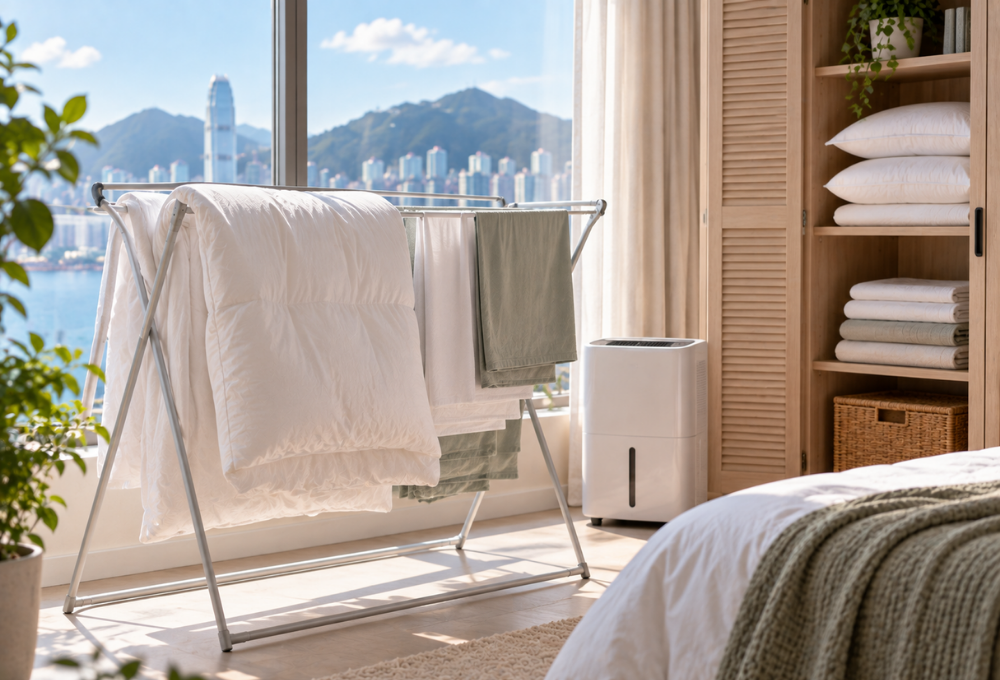
In Hong Kong, drying bedding is often harder than washing it. Sheets may feel dry after a few hours, while fitted-sheet elastic, duvet seams, pillow fillings or the inside of a thick protector can still hold moisture. If those areas are folded into a cupboard too soon, the trapped dampness can contribute to stale odours and mould growth.
Hong Kong Observatory's 1991–2020 climate normals show an annual mean relative humidity of 78%. Monthly mean relative humidity reaches 82% in March, 83% in April and May, 82% in June, and 81% in July and August. These figures describe outdoor conditions measured by the Observatory, not the humidity inside every home, but they illustrate why moisture management is a practical bedding-care issue locally.
Quick Answer: What Is the Best Way to Dry Bedding in Humid Weather?
Use this order:
Drying happens when moisture leaves the textile and enters the surrounding air. When the air is already humid, evaporation can be slower because the surrounding environment has less capacity to take on additional moisture.
This is why a bedsheet hung indoors on a dry winter afternoon may become crisp quickly, while the same sheet can remain cool and slightly damp for much longer during spring rain or summer humidity.
Hong Kong's Indoor Air Quality guidance also identifies inadequate humidity control—particularly relative humidity above 70%—as one factor associated with indoor mould growth. The practical lesson is not that every home above 70% will develop mould, but that persistent dampness deserves attention.
Do not rely only on the large flat surface. The last parts to dry are often the areas that contain more material: hems, elastic channels, zips, quilted sections, corner seams and thick fillings.
A fitted sheet can feel dry across the middle while the elastic edge is still damp. A duvet cover can be dry on the outside while fabric is folded inside a corner. A pillow or duvet may feel dry at the shell while moisture remains deeper in the filling.
Before storage, unfold the item, feel several thick areas and allow extra drying time if anything feels cool, clammy or noticeably heavier than expected.
For washable bedding, a simple routine works well:
If outdoor drying is impractical, create space around the fabric. Avoid draping a large sheet over a narrow rail so that several wet layers lie directly against each other. Fold it loosely over multiple rails or use a wide drying rack so air can reach both sides.
A fan does not remove water from the room, but it can improve air movement over the bedding and accelerate evaporation. If the room itself is very humid, combining airflow with dehumidification is generally more effective than using a fan alone.
Direct sunlight can help dry many ordinary washable textiles, but do not assume every mattress, foam, latex, silk or specialty filling should be left in strong sun. Follow the manufacturer's instructions because ultraviolet light and heat can damage some materials.
Yes. A dehumidifier lowers moisture in the surrounding air, which can make indoor drying more effective during humid weather. When using one for laundry or bedding, close doors and windows as appropriate so the appliance is not constantly trying to dehumidify incoming outdoor air.
However, do not hang dripping-wet bedding directly over the machine or block its air inlet and outlet. Hong Kong EMSD guidance says dehumidifiers should be placed on a flat, firm surface, should not be positioned below dripping clothes, and should have unobstructed air intake and outlet grilles. It also advises against prolonged unattended operation.
Leave space between the bedding and the appliance, empty the water tank as required and follow the specific safety instructions for your model.
A tumble dryer can be one of the most reliable ways to finish drying washable bedding, but only when the care label permits it.
Do not overload the drum. Large sheets and duvet covers can twist into a ball, trapping damp fabric in the centre. Hong Kong EMSD energy guidance recommends sorting items according to thickness, avoiding overloading because it blocks airflow, and using a high-speed spin before tumble drying to remove excess water and save energy.
When the programme ends, open out large items and check corners and thick seams. If they are still damp, rearrange the load and continue only within the care-label limits rather than storing them immediately.
Air-conditioning can reduce indoor moisture as part of its cooling process, and many systems also have a dry or dehumidification mode. But performance varies by system, room size, temperature and operating conditions.
Treat air-conditioning as part of the room environment rather than a guarantee that bedding is dry. You should still create airflow around the fabric and physically check the item before folding it away.
These are usually the easiest bedding items to dry because the fabric is relatively thin, but large surface area can make them fold over themselves.
Shake them open immediately after washing. Make sure fitted-sheet corners are unfolded and duvet covers are not drying as a double-layered bag with wet fabric trapped inside. During indoor drying, reposition them once or twice if necessary so damp sections are exposed.
For storage, make sure fitted-sheet elastic and thick hems are dry before folding.
Bulky filled bedding needs more caution because moisture can remain inside long after the shell feels dry. Always follow the manufacturer's instructions on washing, dry cleaning and tumble drying.
If home tumble drying is allowed, give the item enough room to move. Stop periodically if permitted by the machine instructions, redistribute the filling and check whether any areas remain clumped or cool. A duvet that feels heavy or contains cold, dense patches may not be fully dry inside.
If the product is dry-clean-only, use professional cleaning rather than improvising a water-wash method at home.
Waterproof protectors contain a barrier layer, so the two sides may not dry at exactly the same speed. Make sure elastic skirts, corners and seams are fully dry.
Do not automatically use high heat. Waterproof membranes can have specific temperature limits, so follow the care label. Hush Home's current Waterproof Mattress Protector™ and Waterproof Pillow Protector™ care instructions permit machine washing at 50°C with mild liquid detergent and tumble drying below 60°C, while advising against bleach, ironing and dry cleaning.
There is no universal pillow-drying method. Foam, fibre, down, latex and mixed-construction pillows can require completely different care.
Do not assume a memory-foam pillow can be soaked or tumble dried. Foam cores can be difficult to dry evenly after becoming saturated, and some manufacturers prohibit machine washing or heat drying entirely.
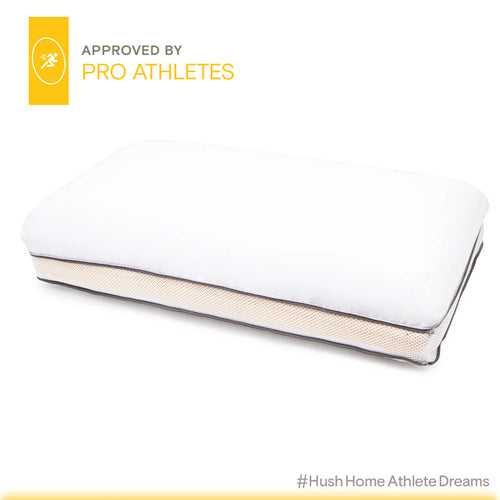
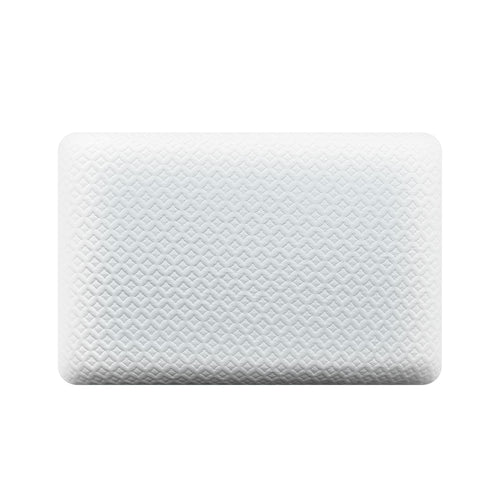
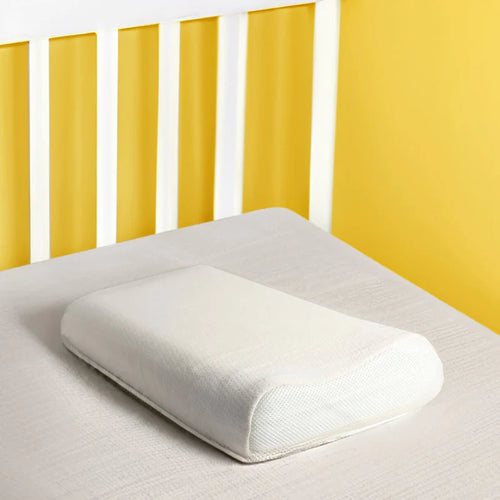
For Hush Home pillows, care varies by model. The Miracle Pillow™ outer cover is spot-cleaned and can be tumble dried below 50°C; the Essence Memory Foam Pillow™ outer cover is dry-cleaned and the memory-foam inner pillow should not be tumble dried; the Loft Pillow™ is dry-cleaned; and the OnePillow™ outer cover is dry-cleaned while the inner memory-foam components should not be washed in water. Always check the care instructions for the exact pillow rather than applying one method to all models.
A mattress topper is not the same as a bedsheet. Many foam toppers should not be machine washed or saturated.
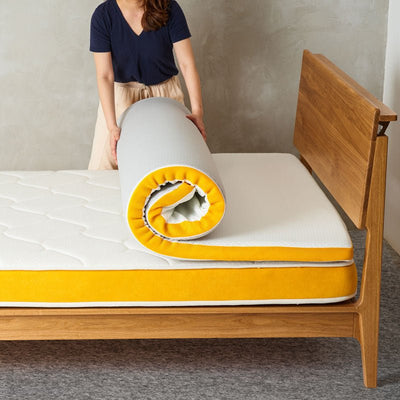
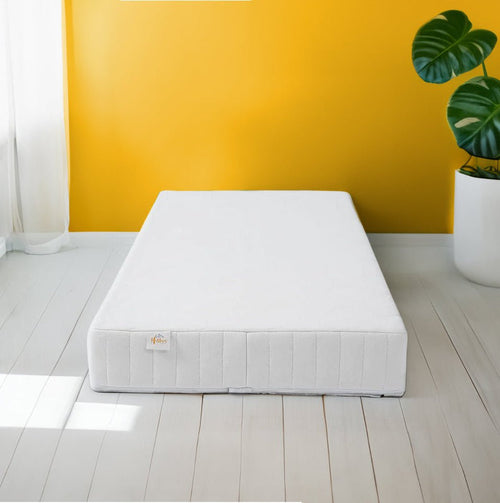
Hush Home's Dual Mattress Topper™ care guide says to remove and wash the cover according to its care label, make sure the cover is completely dry before use, avoid machine washing the foam layers, and store the topper in a cool, dry, well-ventilated area.
The best storage routine starts before the cupboard door closes:
Vacuum bags save space, which can be attractive in Hong Kong apartments, but they are not ideal for every bedding material.
Compression can flatten lofted fillings, and a sealed bag will also trap any moisture that was already present when the item was packed. Therefore, only use vacuum storage when the item is completely dry and the manufacturer permits compression.
For delicate fillings, foam, latex or products designed to maintain loft, a roomy breathable storage bag may be more appropriate than aggressive long-term compression.
Moisture absorbers can help control a small enclosed storage space, but they are a backup measure—not a drying method.
Never put slightly damp bedding into a cupboard and expect a small desiccant box to finish drying it. The item should already be fully dry. Position absorbers so liquid cannot spill onto bedding, and replace or empty them as instructed.
A musty smell is a reason to investigate moisture, not just add fragrance.
If the item is washable, clean it according to the care label and dry it completely. At the same time, inspect the wardrobe, wall and surrounding area for leaks, condensation or persistent dampness. If the smell quickly returns after proper cleaning and drying, the storage environment may be part of the problem.
Do not automatically spray strong disinfectants or fragrance onto mouldy bedding. Hong Kong indoor-air guidance says mould control should focus on keeping the environment dry and fixing leakage or seepage. For mould on porous materials that cannot be cleaned effectively, disposal may be necessary.
For valuable, delicate or dry-clean-only bedding, ask a professional cleaner whether the item can be treated safely.
Hush Home's current care instructions differ by product, so the most important step is to follow the exact item guide rather than using one drying temperature for everything.
Egyptian Cotton Hotel Sheets™: Hush currently recommends machine washing at 40°C on a gentle cycle with mild liquid detergent, removing the sheets promptly after washing, and tumble drying below 60°C.
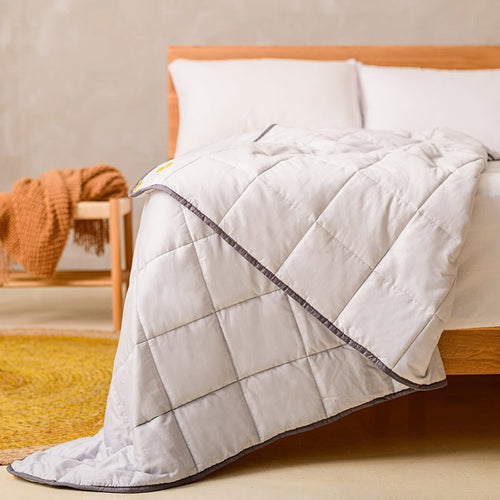
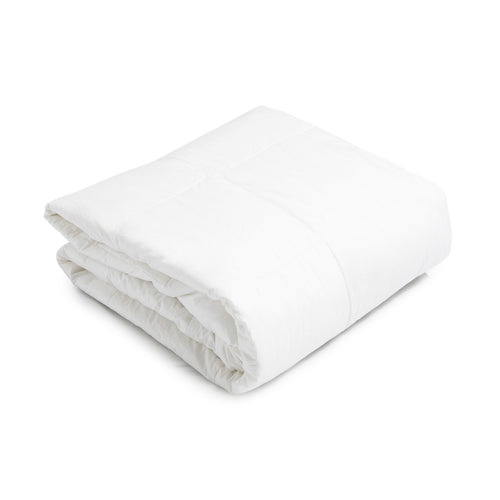
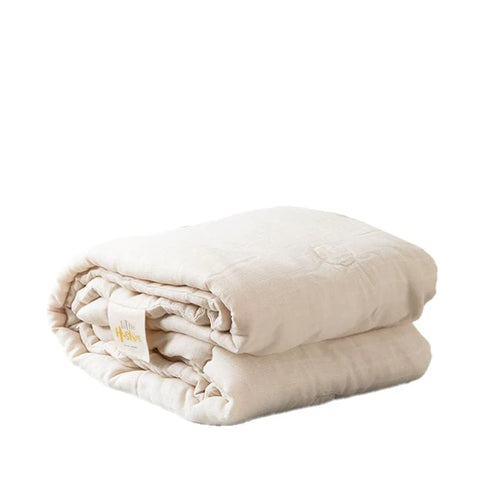
All-Season Duvet™: Hush currently recommends dry cleaning on an as-needed basis and lists tumble drying below 60°C among the care instructions. Do not water-wash the duvet unless the current product instructions specifically permit it.
Waterproof Mattress Protector™ and Waterproof Pillow Protector™: machine wash at 50°C with mild liquid detergent and tumble dry below 60°C; do not bleach, iron or dry clean.
Dual Mattress Topper™: wash the removable cover according to its label and make sure it is completely dry before use; do not machine wash the foam layers; store in a cool, dry, well-ventilated area.
Pillows: follow the exact pillow model because Hush's foam, fibre and mixed-construction pillows have different cleaning and drying requirements.

Before putting bedding away, ask:
False. Thick seams, elastic, quilting and fillings can retain moisture after the surface has dried.
False. Dehumidification helps the surrounding environment, but the bedding should be completely dry before storage.
False. Excess heat can damage fibres, waterproof membranes, foam or elastic. Follow the care label.
False. Some foam, latex, silk and specialty materials can be damaged by excessive heat or UV exposure.
False. A sealed bag can trap moisture if the bedding was not fully dry before packing, and compression is not appropriate for every filling.
Completely dry, including thick hems, elastic, corners and fillings. If part of the item still feels cool or clammy compared with the rest, give it more drying time.
They solve different problems. A fan increases air movement, while a dehumidifier removes moisture from the room air. In very humid conditions, using airflow together with dehumidification can be more effective than either approach alone.
Generally, yes, if you are deliberately dehumidifying one room. Keeping doors and windows closed prevents humid outdoor air from continuously entering. Always follow the appliance manufacturer's safety instructions and maintain sufficient clearance around the unit.
Only when the duvet is completely dry, and consider whether the filling is suitable for long-term compression or sealed storage. A breathable storage bag is often a safer default for lofted or delicate bedding unless the manufacturer recommends otherwise.
Possible causes include incomplete drying, storing while damp, a humid wardrobe, mould in the surrounding storage area, or a washing machine that itself needs cleaning. If the smell repeatedly returns after correct washing and complete drying, inspect the environment rather than repeatedly adding fragrance.
Check it first. Large bedding can twist into bundles, leaving damp corners or internal layers even after a drying cycle. Open it out, inspect the thickest areas and allow it to cool and finish drying if needed before folding.
In Hong Kong's humid weather, the best bedding-care strategy is not complicated: get water out efficiently, maximise airflow, use dehumidification or tumble drying when appropriate, and never store bedding until the thickest parts are truly dry.
The storage environment matters too. Keep bedding clean, dry and away from leaks or condensation; avoid unnecessary long-term compression; and investigate recurring musty smells promptly.
Most importantly, do not use one care method for every item. Sheets, waterproof protectors, duvets, pillows and foam toppers can have very different washing and drying limits. The manufacturer's care label should always override generic advice.