




What Is OEKO-TEX® STANDARD 100? What the Certification Actually Means
18 Sep 2026
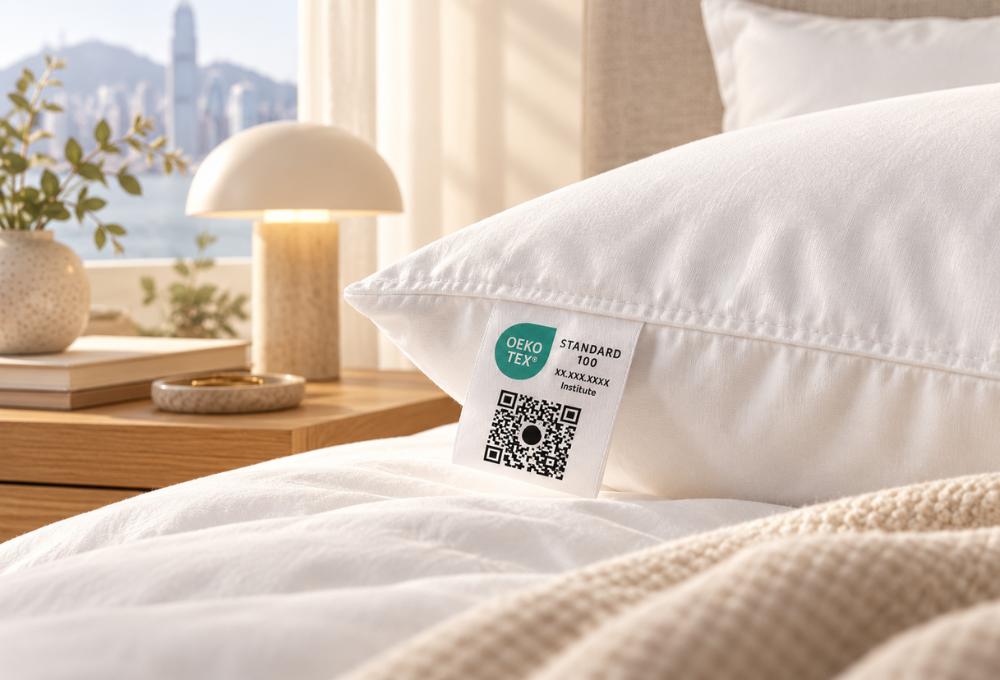
If you have shopped for bed sheets, pillowcases, duvets, mattresses or clothing, you have probably seen the OEKO-TEX® STANDARD 100 label. It often appears beside claims such as “safe”, “tested for harmful substances” or “gentle on skin”—but shoppers are rarely told exactly what the certification covers.
The short version is that STANDARD 100 is a product-safety certification focused on harmful substances in textiles and related materials. OEKO-TEX® states that certified articles are tested against a list of more than 1,000 potentially harmful substances, and that the criteria become stricter when a product has more intensive contact with skin or is intended for more sensitive users.
That makes the label useful—but it is important not to read more into it than it actually says. STANDARD 100 is not the same thing as an organic certification, a carbon-footprint label, a complete ethical-sourcing audit or a guarantee that a textile contains no chemicals at all.
QUICK ANSWER
An OEKO-TEX® STANDARD 100 label means the certified textile article or material has passed OEKO-TEX® laboratory testing for harmful substances according to the requirements that apply to its intended use. The testing can cover the finished textile and its individual components, including items such as threads, buttons and accessories.
The label tells you something specific and useful: the certified scope has been tested against a defined harmful-substance standard. It does not tell you everything about fibre origin, farming method, factory labour conditions, environmental footprint, durability or comfort.
OEKO-TEX® is an international testing and certification system for textiles and leather. STANDARD 100 is only one certification within the wider OEKO-TEX® portfolio.
Other OEKO-TEX® programmes address different questions, including organic cotton, production-site sustainability and supply-chain traceability.
Check the exact label name. OEKO-TEX® STANDARD 100, OEKO-TEX® MADE IN GREEN and OEKO-TEX® ORGANIC COTTON do not make identical claims. “OEKO-TEX certified” on its own is therefore less informative than the full certification name.
The STANDARD 100 criteria cover a broad range of substances that may be restricted, regulated or considered relevant to human health. Current OEKO-TEX® documentation includes categories such as formaldehyde, certain heavy metals, pesticides, banned colourants and numerous PFAS-related substances, alongside many other chemical parameters.
Importantly, the certification is based on limit values and testing criteria—not the idea that textiles should contain literally zero chemicals. Textiles are made, dyed, finished, washed and processed using chemistry. The meaningful question is whether relevant substances are present within the limits required by the applicable standard.
OEKO-TEX® also states that its limit values are reviewed at least annually. This allows the standard to respond to newly regulated substances, emerging scientific evidence and updated legal requirements.
No. “Chemical-free” is not an accurate way to describe any textile. Cotton, water, dyes, detergents, finishes and even the human body are all made of chemicals in the scientific sense.
OEKO-TEX® describes STANDARD 100 as applying from yarn through to finished products and states that every thread, button and accessory in a labelled article is considered within the certification. This is an important difference from a marketing claim that refers only to one headline material.
However, consumers should still pay attention to the exact scope stated on the certificate or label. A brand may sometimes say that a particular fabric, foam or component is certified rather than stating that an entire multi-material product has been certified as one finished article. The wording matters.
STANDARD 100 does not apply exactly the same limits to every textile. OEKO-TEX® groups products according to how they will be used. The closer the contact with skin—and the more sensitive the intended user—the stricter the requirements become.
| Product Class | Intended Use | Typical Examples |
|---|---|---|
| Class 1 | Babies and children up to three years old; strictest requirements | Baby clothing and other textiles intended for this age group |
| Class 2 | Products with direct skin contact | Bed linen, underwear, shirts and, in the current standard, mattresses |
| Class 3 | Products with little or no direct skin contact | Certain outerwear and fillings |
| Class 4 | Decoration and furnishing materials | Curtains, tablecloths and upholstery fabrics |
A higher-numbered class does not mean a product is “bad”. It reflects intended use. The point of the system is to apply testing criteria proportionate to how consumers are expected to interact with the textile.
OEKO-TEX® describes a multi-step process. The applicant submits product and material information and samples; the institute defines the relevant testing plan; samples are analysed; the company is evaluated through an on-site visit; and, if the requirements are met, a certificate is issued.
STANDARD 100 certificates are issued for one year. That does not mean the textile suddenly becomes unsafe after a year, but it does mean certification is time-limited rather than permanent. Brands and suppliers need to maintain valid certification if they continue making the claim.
OEKO-TEX® provides an online Label Check. Consumers can scan the QR code on a label or enter the certificate or label number into OEKO-TEX®’s verification system.
Understanding the limits of a certification is just as important as understanding its benefits.
A polyester pillowcase, synthetic microfiber duvet or conventional cotton fabric can potentially meet STANDARD 100 requirements. The certification is about harmful-substance testing, not whether the fibre was organically farmed.
OEKO-TEX® has a separate ORGANIC COTTON certification. GOTS is another separate standard used for textiles made with certified organic natural fibres and includes environmental and social criteria through processing and manufacturing.
STANDARD 100 can apply to natural, regenerated and synthetic textile materials. A certified polyester or microfiber product is not pretending to be cotton; it simply means the certified material has met the relevant harmful-substance criteria.
STANDARD 100 primarily answers a product-safety question. If you want information about environmentally and socially responsible production and supply-chain traceability, OEKO-TEX® uses a different label—MADE IN GREEN.
This does not make STANDARD 100 unimportant. Product chemical safety and whole-supply-chain sustainability are simply different dimensions and should not be collapsed into one claim.
A harmful-substance certification cannot guarantee that every individual will tolerate every textile. People can react to fibres, dyes, detergents, finishes, fragrances, dust or other substances for many reasons.
If you have eczema, allergies or a known textile sensitivity, certification can be one useful factor, but it should not replace personal medical advice or careful product testing.
Two products can both carry STANDARD 100 and still feel completely different. Thread count, fibre length, weave, foam density, fill weight, construction, stitching and product design all affect comfort and durability.
STANDARD 100 should therefore be treated as one safety credential, not a complete product review.
| Certification | Main Focus | What It Does Not Automatically Mean |
|---|---|---|
| OEKO-TEX® STANDARD 100 | Testing textile articles and materials for specified harmful substances | Organic fibres, complete sustainability, ethical production or overall product quality |
| GOTS | Organic textile processing built around certified organic natural fibres, including environmental, chemical-management and social requirements | It is not the same certification question as STANDARD 100 |
| CertiPUR-US® | Flexible polyurethane foam testing for content, emissions and durability | It does not certify an entire mattress, pillow or furniture product |
A product can legitimately reference more than one of these programmes because they may apply to different materials or answer different questions.
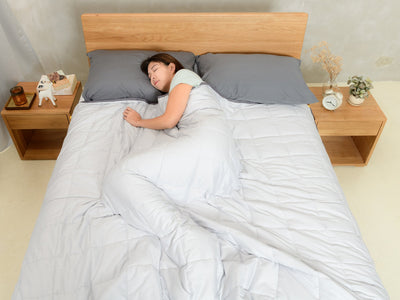
Bedding spends unusually long periods in close contact with the body. Pillowcases touch the face and hair, sheets contact a large area of skin, and mattresses and pillows sit immediately beneath the sleeper for hours at a time. That makes textile-safety testing particularly relevant to sleep products.
At the same time, certification should not replace the rest of your buying checklist.
Certification helps answer “Has this certified scope passed harmful-substance testing?”—not “Will this definitely be the most comfortable product for me?”
For example, our Bed Sheets Buying Guide explains why thread count, fibre and construction still matter when choosing sheets, while our guide to Egyptian Cotton vs Regular Cotton looks specifically at fibre quality.
Hush Home currently references OEKO-TEX® STANDARD 100 across several sleep-product categories. The exact wording differs by product, so the safest approach is to check the individual product specification and certification claim rather than assuming every component in every product has exactly the same certification scope.
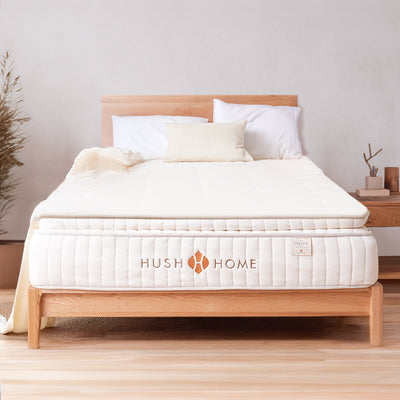
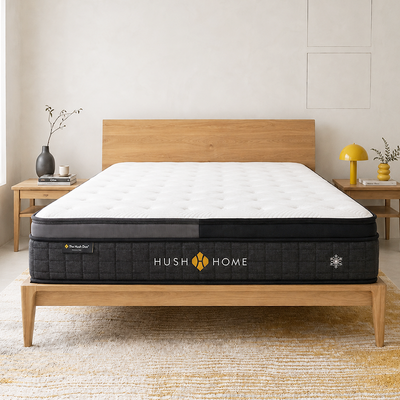
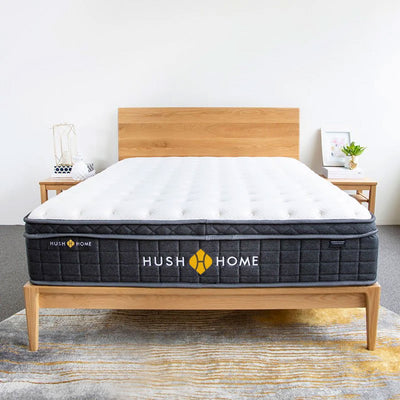
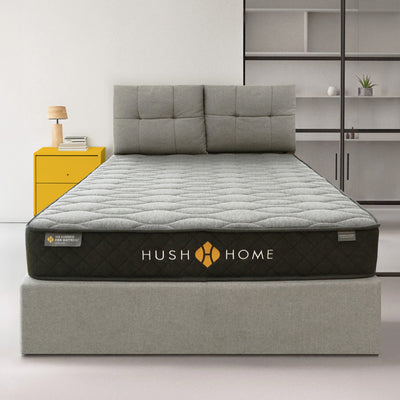
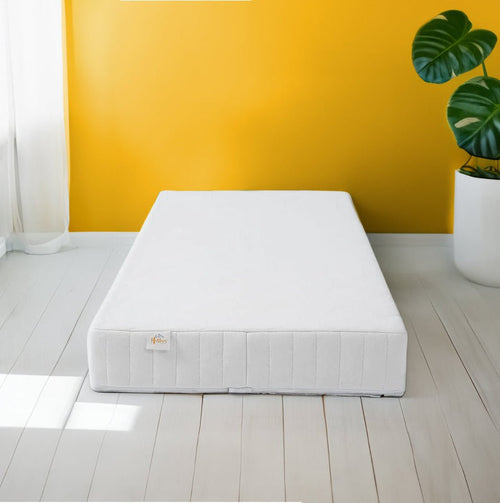
Hush Home’s current FAQ states that the Organic Mattress™, Hush Duo Mattress™, Hush Mattress™, Essence Firm Mattress™ and Loft Mattress™ carry OEKO-TEX® STANDARD 100 certification. Hush also separately references CertiPUR-US® for relevant foams, which addresses a different certification scope.
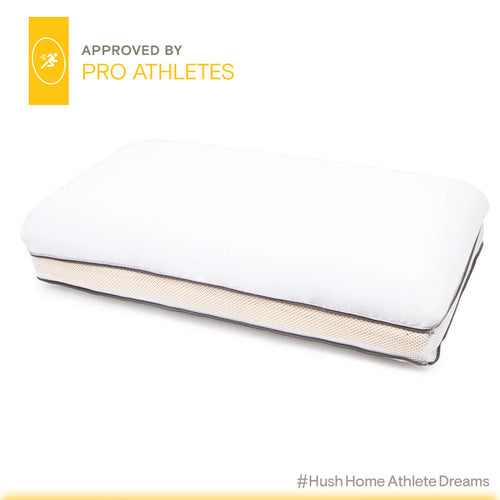
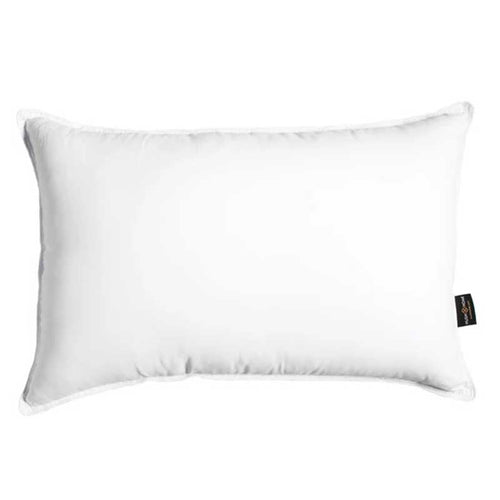
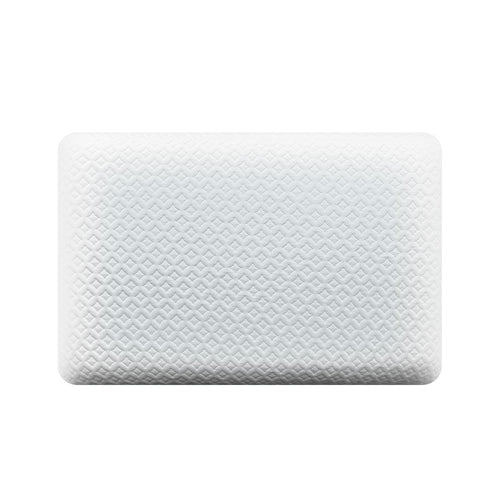
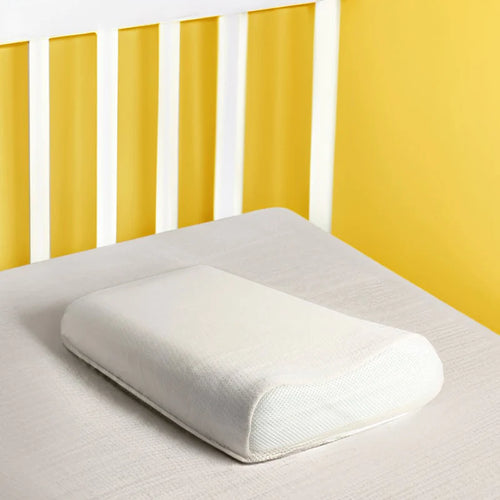
Hush Home states that PeachFiber™ fabric and memory foam used in its pillow range are covered by certification claims including OEKO-TEX® STANDARD 100, while relevant flexible polyurethane foam is also referenced separately under CertiPUR-US®. Because the programmes have different scopes, read the exact product specification rather than treating the certification logos as interchangeable.
Hush Home’s Egyptian Cotton Hotel Sheets™, Duvet Cover and Pillowcases list the cotton as OEKO-TEX® STANDARD 100 certified. This certification relates to harmful-substance testing and is separate from questions such as whether the cotton is organic or how the sheets are woven.
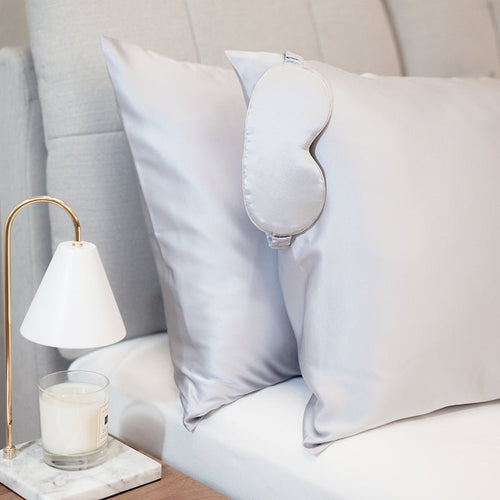
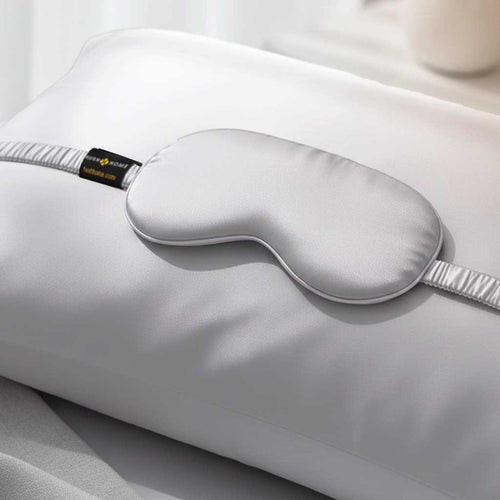
Hush Home also references STANDARD 100 across products including the All-Season Duvet™, waterproof protectors, the Luxury Hotel Towel Set and Mulberry Silk Collection.
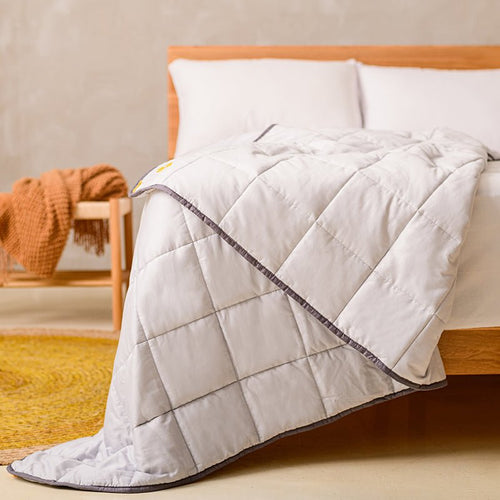
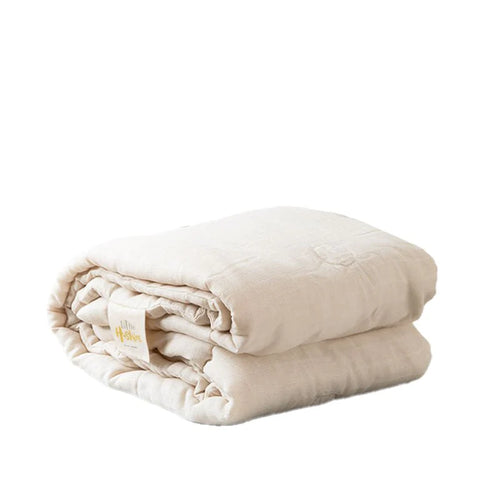
For example, the All-Season Duvet™ currently lists both its microfiber and cotton as OEKO-TEX® STANDARD 100 certified, while the Mulberry Silk Pillowcase™ lists its silk as certified.
The useful takeaway is not that a logo alone makes one product “better”. Independent harmful-substance testing adds another layer of information when you compare materials, comfort, construction and value.
Yes, when you understand what it is designed to verify. It is a well-established harmful-substance testing standard for textiles and related materials, with product-specific requirements and independent laboratory testing. It is particularly useful for products that have prolonged skin contact, such as bedding and clothing. However, it should be viewed as a product-safety credential rather than a complete sustainability or quality rating.
Consumer language such as “non-toxic” can be vague. The more precise description is that STANDARD 100 certified articles have been tested for specified harmful substances according to OEKO-TEX® criteria and applicable limit values. It does not mean that absolutely no chemical substances are present.
No. Organic fibre origin is not what STANDARD 100 certifies. OEKO-TEX® has a separate ORGANIC COTTON certification, while GOTS is another commonly used organic-textile standard.
Yes. STANDARD 100 is not limited to cotton, wool or other natural fibres. Synthetic and regenerated textile materials can also be tested and certified if they meet the applicable requirements.
No. STANDARD 100 focuses on harmful-substance testing of textiles. GOTS is an organic textile processing standard covering certified organic natural fibre content as well as environmental, chemical-management and social criteria through the textile supply chain. Some products may carry both.
No. STANDARD 100 can apply to a wide range of textile articles and materials. CertiPUR-US® specifically certifies flexible polyurethane foam for content, emissions and durability. In mattresses and pillows, the two certifications can therefore apply to different materials or different aspects of product safety.
OEKO-TEX® currently states that certified components are tested against a list of more than 1,000 harmful substances. The exact criteria and limit values are updated over time, so it is better to refer to the current STANDARD 100 documentation than to treat one historic substance count as permanent.
Product Class 1 is the strictest STANDARD 100 category and is intended for babies and children up to three years old. Products in other classes can have different limit values because their intended skin contact is different.
OEKO-TEX® states that a STANDARD 100 certificate is issued for one year. If certification is important to your purchase, check the label number or current product information rather than relying on an old photograph of a logo.
Use OEKO-TEX® Label Check. Scan the QR code on the label or enter the certificate or label number into OEKO-TEX®’s official verification tool.
It can be a useful safety credential because sheets remain in direct contact with skin for many hours. But certification should be considered alongside fibre quality, weave, breathability, durability, feel and care requirements. STANDARD 100 does not tell you whether a sheet is soft, cool or long-lasting.
OEKO-TEX® STANDARD 100 is best understood as a harmful-substance safety certification for textiles—not as an all-purpose badge of environmental perfection or product quality.
A certified textile article or material has been tested against OEKO-TEX® requirements for more than 1,000 harmful substances, with requirements that become stricter according to the level of skin contact and sensitivity of the intended user. The certification can cover components throughout the textile article, and consumers can verify labels using OEKO-TEX®’s official Label Check.
What it does not automatically tell you is whether a product is organic, natural, sustainably manufactured, ethically produced, exceptionally durable or comfortable. Those questions require other evidence.
For Hush Home shoppers, STANDARD 100 can therefore be treated as one part of a broader product-evaluation process: look at certification alongside material quality, construction, comfort, care and the specific performance you need from your sheets, pillows, duvets or mattress.