




Why Sleep is Important for Athletes: A Quick Guide
09 Apr 2026
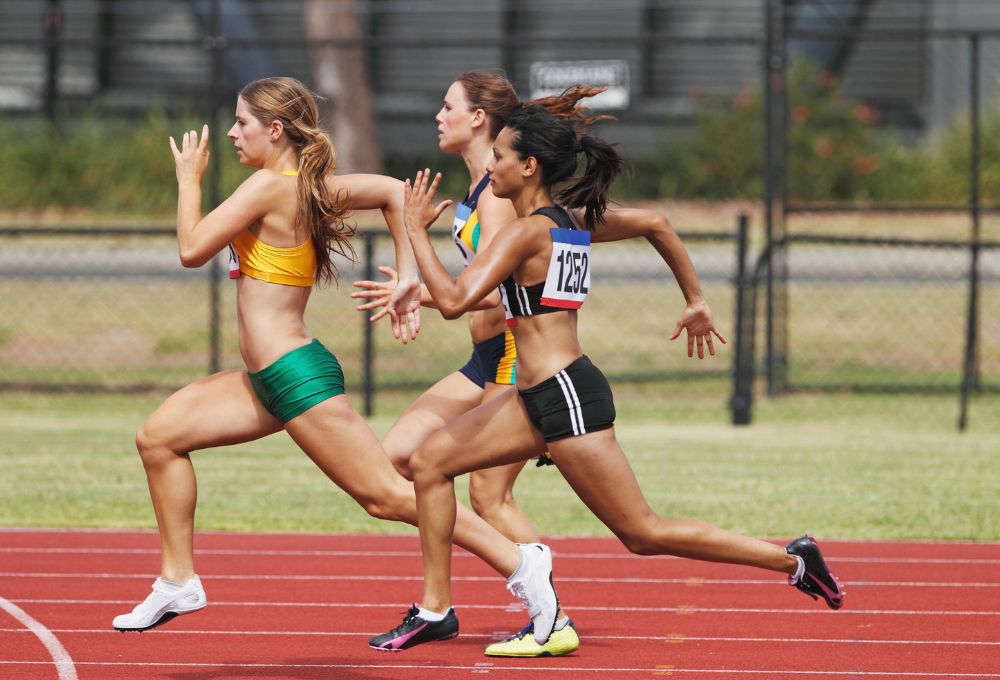
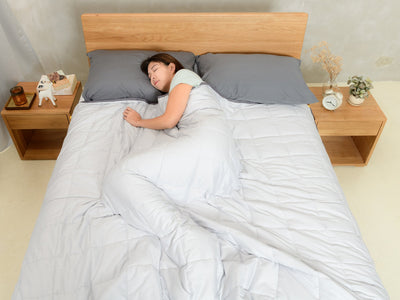
For athletes—from weekend trail runners to competitive professionals—training is often seen as the primary driver of success. However, elite sports science tells us that recovery is where the real progress happens. If you aren’t sleeping like an athlete, you aren’t training like one.
Sleep is the primary biological state for physical repair and cognitive restoration. During deep sleep, the body releases Human Growth Hormone (HGH) to repair muscle tissue, restocks glycogen (energy) levels, and flushes metabolic waste from the brain to maintain reaction speeds. Without adequate rest, an athlete faces a measurable decline in aerobic capacity and a significantly higher risk of injury.
When you cut corners on rest, the decline in performance isn’t just psychological—it’s measurable. Even in 2026, with all our wearable tech, there is no "biohack" that replaces the physiological necessity of 8+ hours of rest.
Slower Reaction Times: A single night of restricted sleep can slow your reaction time by a margin that is often the difference between winning and losing.
Reduced Aerobic Capacity: Sleep deprivation decreases the time it takes to reach exhaustion. Your "perceived exertion" skyrockets, making a standard 5km run feel like a marathon.
Higher Injury Risk: A tired brain leads to poor proprioception (body awareness). This results in missed steps, poor landing form, and increased susceptibility to ligament tears.
Professional athletes treat sleep with the same discipline as their diet. Here is how the elite manage their recovery cycles.
Instead of counting total hours, many pros track 90-minute sleep cycles. Waking up at the end of a cycle (e.g., 7.5 or 9 hours) prevents "sleep inertia"—that heavy, groggy feeling—and ensures you’ve completed enough Deep and REM stages.
A drop in core body temperature is a biological trigger for deep sleep. Elite training facilities keep bedrooms strictly between 18–20°C. This is why moisture-wicking bedding is essential in humid climates like Hong Kong.
You don't need a coaching staff to optimize your recovery. Start with these three "Pro" adjustments:
Respect the Caffeine Half-Life: Caffeine has a half-life of 5–6 hours. If you take a pre-workout at 5 PM, half of that stimulant is still blocking your brain's sleep receptors at 11 PM. The Rule: Stop caffeine by 2 PM.
The 60-Minute Digital Sunset: Avoid screens one hour before bed. Blue light suppresses melatonin, the hormone that tells your body the training day is over.
Strategic Light Exposure: Seek 15 minutes of direct sunlight every morning. This "anchors" your circadian rhythm, making it easier to fall asleep at the same time every night.
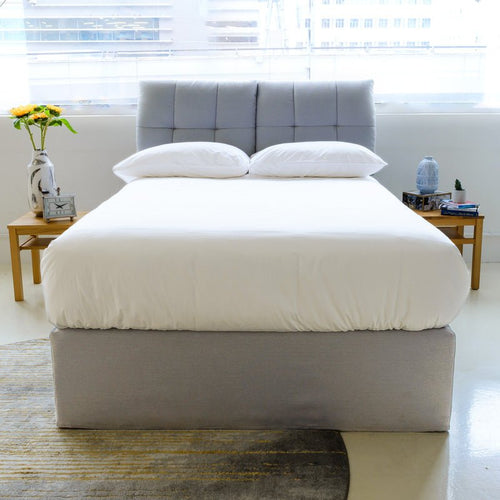
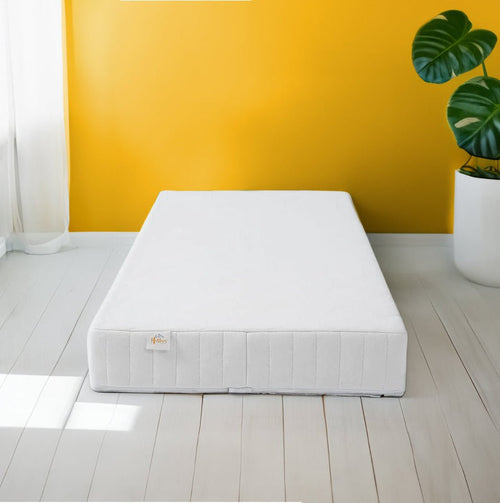
An athlete’s mattress must do more than just be "comfy"—it must provide active orthopedic support.
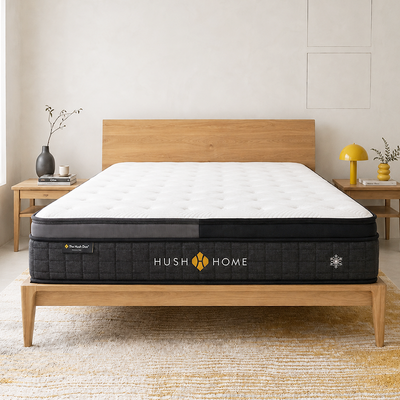
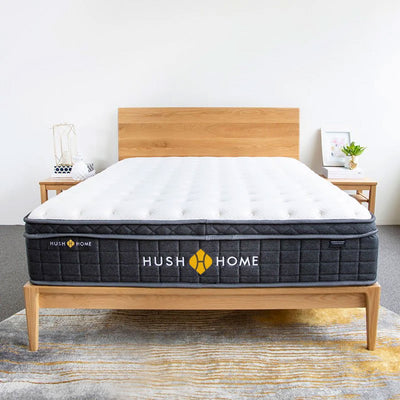
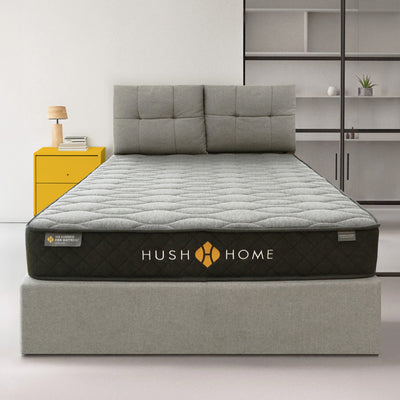
Hush Mattress™: Designed with a 7.0 to 8.5 firmness rating, it offers the firm lumbar support needed for spinal alignment and high-density memory foam to relieve pressure on sore joints.
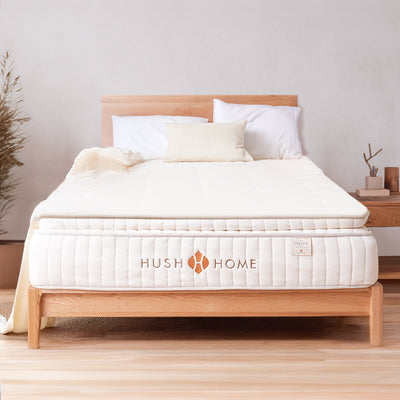
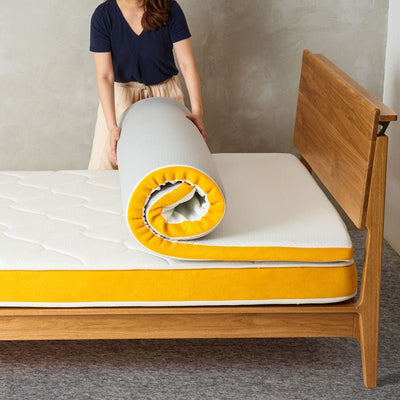
The Organic Mattress™: For athletes who run hot, our organic latex hybrid uses breathable bamboo and coconut fibers to wick away moisture and keep your recovery environment dry in the Hong Kong heat.
Ready to upgrade your recovery? Explore our athlete-approved mattress and give your body the foundation it deserves to win.
For athletes traveling to international competitions, jet lag can decimate peak power. Traveling East is generally harder on the body than traveling West, as the body finds it harder to "advance" its internal clock.
To ensure your body is ready to perform the moment you land, check out our comprehensive guide: How to Deal with Jet Lag.