











Why Do I Wake Up With a Stuffy Nose? How Your Mattress Affects Morning Allergies
30 Mar 2026

It’s a frustrating way to start the day: waking up with a stuffy nose, itchy eyes, or a dry cough, even when you aren't sick. If your "cold" symptoms seem to vanish once you leave the bedroom, the culprit isn't the weather. It’s likely your mattress.
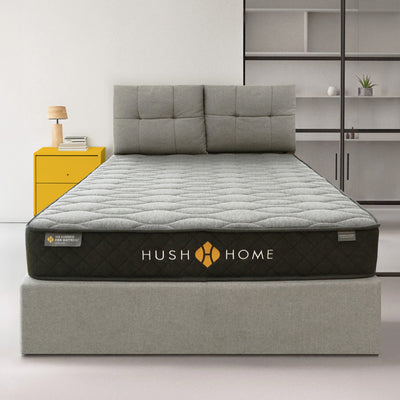
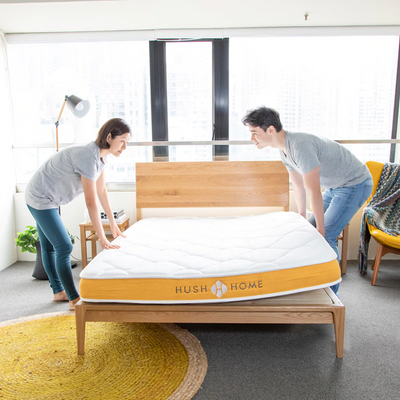
For many people in Hong Kong, the mattress is a hidden reservoir for allergens. At Hush Home, we believe your bedroom should be a sanctuary, not a source of irritation. Here is the science behind bedroom allergies and how choosing an Organic Mattress can help you breathe easy.
If you are waking up with respiratory issues, the culprit is likely dust mites. These microscopic organisms thrive in warm, humid environments—making Hong Kong’s climate their perfect habitat.
It is important to distinguish between microscopic allergens and a physical infestation. While dust mites are invisible and cause "stuffy nose" symptoms, more serious issues like itchy bites or physical sightings require a different approach. If you suspect your mattress has larger pests, read our guide on how to check for bed bugs.
Q: Where do dust mites live in a mattress?
A: Dust mites settle deep within the layers of traditional fiber-filled or foam mattresses, where they feed on dead skin cells. It isn't the mites themselves that cause allergies, but a protein found in their waste. This protein becomes airborne when you move in bed, leading to that classic morning congestion.
|
Symptom |
Likely Cause |
Solution |
|
Stuffy nose, itchy eyes, sneezing |
Dust Mites / Allergies |
Switch to an Organic Latex Mattress |
|
Red, itchy bite marks in a row |
Bed Bugs |
Follow our Bed Bug Inspection Guide |
|
Chemical smell, throat irritation |
VOC Off-gassing |
Choose OEKO-TEX® certified materials |
Many standard mattresses are made with petroleum-based polyfoams and synthetic adhesives. These materials can contribute to "stuffy nose" symptoms in two ways:
Off-Gassing (VOCs): Synthetic foams often release Volatile Organic Compounds (VOCs). If you’ve ever noticed a "chemical smell" from a new mattress, you are smelling VOCs. For sensitive sleepers, these can irritate the lining of the nose and throat.
Heat Retention: Synthetic foam tends to trap body heat. This warmth, combined with Hong Kong's humidity, creates a tropical breeding ground for mold, mildew, and mites.
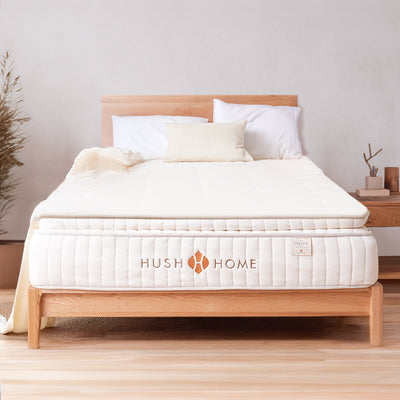
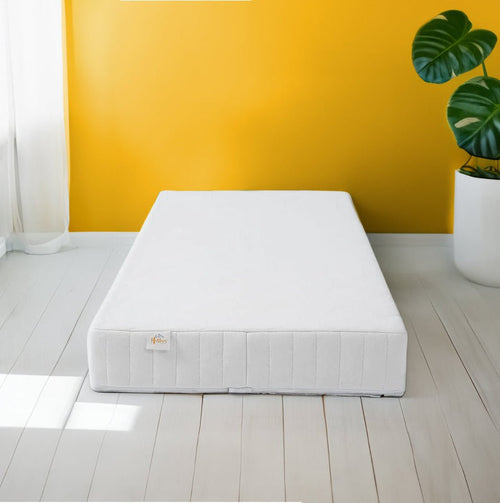
If you suffer from chronic allergies, the material of your mattress is your first line of defense. This is where the Organic Mattress™ excels.

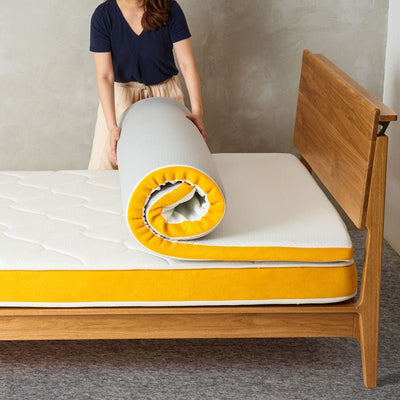
Unlike synthetic foam, our Organic Mattress uses 100% GOLS-certified organic latex. Latex is a game-changer for allergy sufferers for three reasons:
Naturally Antimicrobial: Latex is inherently resistant to dust mites, mold, and mildew. It is a "hostile" environment for allergens to grow, meaning they can't colonize the core of your bed.
Zero Off-Gassing: Because it is made from the sap of rubber trees, there are no harsh chemicals or synthetic odors to irritate your respiratory system.
Breathable "Pin-Core" Design: Organic latex is naturally porous. This allows air to circulate freely, whisking away the moisture that allergens need to survive.
While a hypoallergenic mattress is the foundation, these habits will further reduce your morning congestion:
Wash Bedding in Hot Water: Wash sheets and pillowcases weekly at 60°C to effectively kill dust mites.
Use a Mattress Protector: A high-quality, breathable protector adds an extra barrier that prevents skin cells from entering the mattress core.
Monitor Humidity: Keep your bedroom humidity between 40% and 50%. Using a dehumidifier is essential to prevent mold growth within bedding.
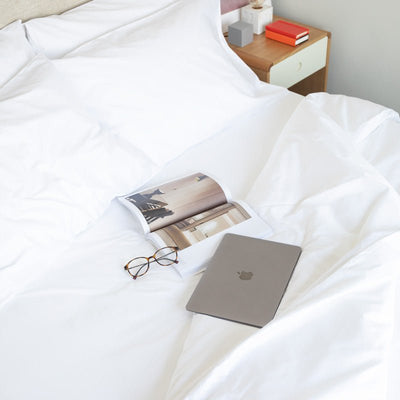
Switch to Breathable Cotton: Pair your mattress with Egyptian Cotton Sheets. These are hypoallergenic and naturally moisture-wicking.
Q: Can I just vacuum my mattress to remove allergens?
A: Vacuuming removes surface dust, but it cannot reach the mites embedded deep within the layers of traditional foam. Switching to a naturally resistant material like organic latex is the most effective long-term solution.
Q: How do I know if I’m allergic to my mattress?
A: If your symptoms (sneezing, congestion, itchy eyes) are worse in the morning but improve significantly within 30 minutes of leaving the bedroom, your mattress is likely the source.
Breathe Better, Sleep Deeper
You shouldn't have to start your day with a box of tissues. By investing in an Organic Mattress, you are removing the chemical and biological triggers that disrupt your breathing.