





Why Does My Pillow Go Flat? Causes, How to Restore Loft & When to Replace It
13 Oct 2026
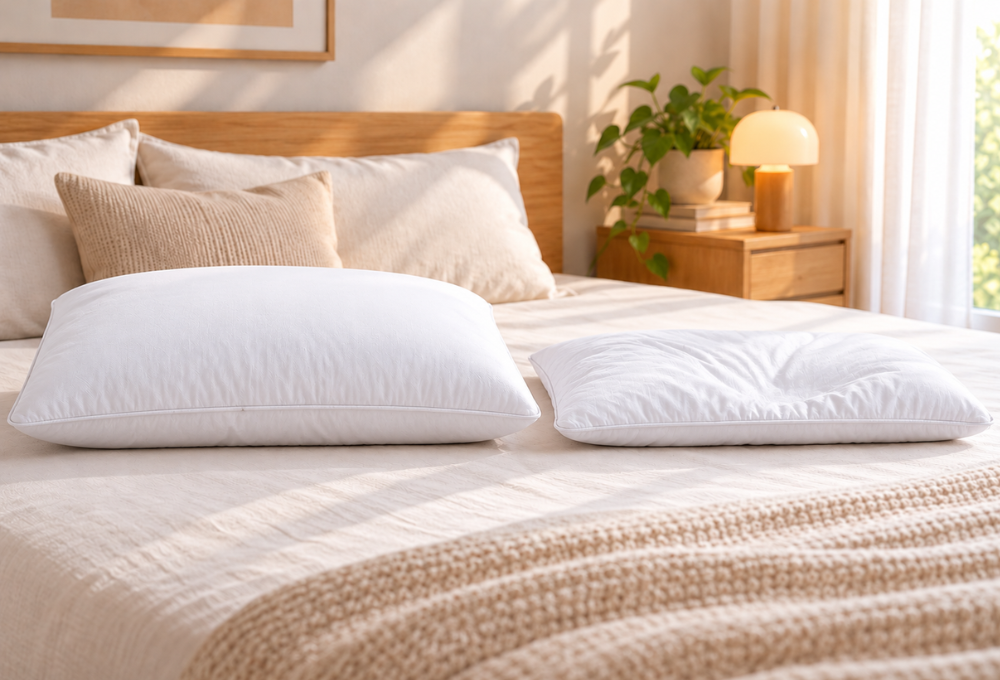
A pillow goes flat for three main reasons: the filling is temporarily compressed, the filling has shifted or clumped, or the material has permanently lost resilience. The first two can often be improved by correct fluffing or redistribution. The third cannot. If a pillow repeatedly stays flat, no longer rebounds or can no longer hold the height and support you need, replacement is usually more sensible than trying to keep reviving it.
Quick Answer: Why Does a Pillow Lose Its Loft?
Every night, the weight of your head compresses the pillow in roughly the same area. Soft fibre, down and shredded fills can gradually pack together or migrate away from the centre. Moisture, body oils and residue can also weigh down fill and encourage clumping. Foam behaves differently: instead of becoming fluffy again, it relies on the material's own resilience to recover its shape after pressure is removed.
That distinction matters. A fluffy pillow that looks flat in the morning may simply need redistribution. A solid memory-foam pillow that stays permanently compressed, cracks or crumbles is showing structural wear rather than a fluffing problem.
This is the most reversible form. The fill has been compressed during sleep but still has enough resilience to expand again once it is shaken, kneaded or given time to recover.
Down-alternative, microfiber, down, feather and shredded fills commonly show this behaviour.
A pillow can lose height in the centre even though the material itself is not worn out. The fill may have moved toward the corners, formed dense clumps or left empty spots where your head normally rests.
This is why some pillows feel much better immediately after a thorough manual fluff: you are moving usable fill back into the areas that need it.
Eventually, fibres can remain matted, foam cells can soften or fatigue, and resilient materials can stop returning to their original dimensions. At that point, the pillow is not temporarily flat; its structure has changed.
Fluffing may improve the appearance for a few minutes, but the pillow quickly collapses again under normal use.
The most basic cause is repeated compression. Sleep Foundation notes that pillows flatten as the weight of the head repeatedly compresses the same area of fill.
If you always place your head in the same central zone, that section experiences much more wear than the edges. Soft fill can migrate outward, while foam can develop a more persistent compressed area over time.
Moisture can make loose fill clump and become heavier. Sweat, saliva, damp hair and humid air can all contribute. A pillow that repeatedly absorbs moisture but is not allowed to dry properly may feel flatter and denser even before the material itself has reached the end of its life.
Sleep Foundation also notes that skin cells, natural oils and dirt can accumulate inside pillows. This buildup can weigh down loose fill and make it harder for fibres to separate and regain loft.
A washable pillow can still be damaged by the wrong cycle, excessive heat, incomplete drying or washing a component that was never designed to be submerged.
This is especially important with composite pillows. A removable fabric cover may have completely different care rules from the foam or fill inside it.
Not all pillow materials resist compression equally. Hong Kong Consumer Council's 2026 laboratory durability test found that the memory-foam and latex samples generally retained height and firmness better, while the tested polyester-fibre pillows showed more noticeable changes in height and/or firmness.
That does not mean every polyester pillow will flatten quickly or every foam pillow will last for years. The test shows a material trend among the sampled products, not a guarantee for every pillow on the market.
The Consumer Council's 2026 test is especially relevant to the problem of pillows going flat. The laboratory first measured each new pillow's height and firmness. It then compressed the pillow between two boards under a 1,000-newton load—roughly 100 kg—in an environment of 37°C and 80% relative humidity for 96 hours to simulate long-term use.
After a 24-hour recovery period at controlled temperature and humidity, the laboratory measured height and firmness again. Smaller changes earned better durability scores.
The important takeaway is that durability is not just whether a pillow looks intact. A pillow can still have an undamaged cover while its effective height or firmness has materially changed.
These are the pillows most likely to respond visibly to fluffing. Hold opposite sides, compress and release the pillow repeatedly, then work around all four sides to break up packed fibres and move fill back toward the centre.
Use your fingers to separate obvious clumps rather than only hitting the outside surface. If one corner feels full and the centre feels empty, physically massage some of the fill back across the pillow.
Down and feather are naturally compressible and usually need regular shaking and fluffing. Work the fill from the outer edges back toward the centre and separate compacted clusters with your hands.
If laundering or tumble drying is permitted, the care label controls the method. Do not copy generic dryer-ball advice onto a pillow whose manufacturer specifies dry cleaning, spot cleaning or no machine drying.
Shredded fill can pack into one area, so manual redistribution can restore a more even shape. Open the adjustable compartment only if the product is specifically designed for user access, then loosen compressed pieces and redistribute them evenly.
Adjustable pillows can also regain useful height by adding stored spare fill when the design permits it. This does not reverse degraded foam; it simply restores the total fill volume.
Do not try to fluff solid memory foam like a fibre pillow. Its support comes from the foam block recovering its own shape. You can remove bedding and allow it to rest unloaded, but there is no reliable manual fluffing technique that reverses permanently fatigued foam.
If the foam stays permanently compressed, has softened substantially, cracks or crumbles, replacement is more appropriate than aggressive kneading, soaking or heating.
Latex is naturally resilient and normally springs back without conventional fluffing. If it stops recovering, becomes brittle or begins to crumble, the issue is material ageing rather than fill migration.
This routine is for pillows with movable or compressible fill. Do not aggressively bend or beat a solid foam core.
Sometimes—but only when the pillow is designed to be washed. Washing can remove oils and residue that are weighing down washable fibre or down fill, and complete drying can help separate clumps.
On the other hand, washing the wrong pillow can permanently damage it. Memory foam can absorb large amounts of water, take a long time to dry and suffer structural damage when handled incorrectly.
The correct rule is therefore not wash flat pillows. It is follow the exact care instructions for the pillow and each removable component.
For some washable or tumble-dry-safe fibre and down pillows, controlled tumble drying can help separate fill. But dryer advice is product-specific. Heat that is acceptable for one pillow can damage foam, coatings, adhesives or another pillow's outer fabric.
Never use a tumble dryer simply because an online fluffing guide recommends it. Check the care label first, and distinguish the removable cover from the inner pillow.
Do not wait until a fibre pillow has developed a deep permanent crater. Gentle regular redistribution prevents the same zone from staying tightly packed night after night.
A pillowcase helps keep surface dirt away from the pillow, while a suitable protector adds another barrier against sweat, saliva, oils and spills. Less contamination inside loose fill can make it easier to keep the fill separated and dry.
Do not put a damp pillow back into a pillowcase or store it before it is fully dry. In a humid Hong Kong bedroom, ventilation or dehumidification can be useful when a pillow or removable cover is drying according to its permitted care method.
If the pillow design permits it, occasionally reversing or rotating the pillow can spread wear more evenly rather than loading the exact same spot every night.
Folding a pillow in half every night, constantly bunching it into a ball or using it as a seat cushion creates different stresses from normal head support and can accelerate permanent deformation.
If a fibre pillow looks full when you fluff it but collapses almost immediately under very light pressure, the fibres may have permanently lost resilience.
A persistent centre depression after redistribution suggests the fill can no longer maintain an even working height.
If clumps cannot be separated and empty areas return after every fluff, the pillow is no longer providing a consistent surface.
Permanent compression, substantial softening, cracking or crumbling are structural replacement signs for foam. They are not fixed by fluffing.
Consumer Council guidance emphasises that pillows should recover after pressure and should be replaced when they become deformed. If your pillow used to provide the right height but now leaves you constantly folding, stacking or adjusting it, the useful loft may be gone.
Structural wear is one issue; hygiene is another. A pillow that is flat and also repeatedly smells musty, remains damp or shows suspected mould deserves a separate hygiene assessment. Do not try to solve every problem by fluffing.
There is no expiry date that applies to every pillow. Sleep Foundation gives one to two years as a broad replacement window for many pillows, but material and quality can shift that substantially.
Polyester fibrefill commonly wears faster, while high-quality latex can remain resilient for several years. Memory foam, down and down alternative sit between those extremes depending on density, construction, use and care.
Condition matters more than the calendar. A two-year-old pillow that still recovers, stays hygienic and provides the right height may be more usable than a much newer pillow whose fill has permanently collapsed.
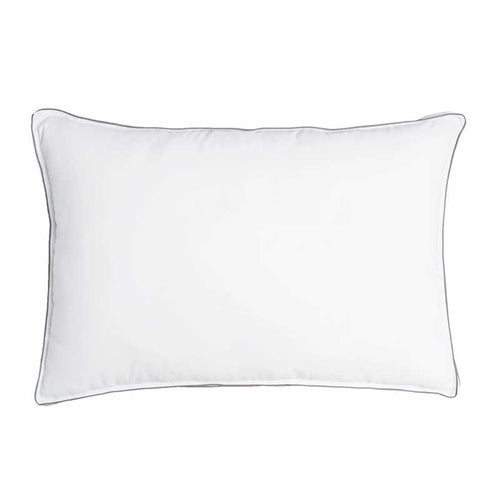
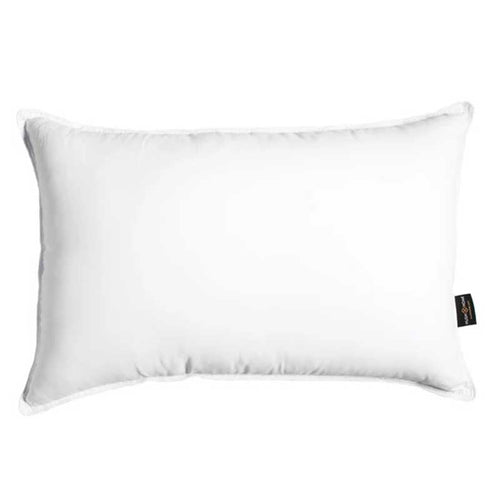
Hush Home's current care guide specifically says to fluff The Loft Pillow™ daily so the microfiber filling stays full, even and airy. This is exactly the type of pillow where manual redistribution is part of normal care.
Hush currently specifies dry cleaning as needed, allows tumble drying below 60°C and says not to wash the pillow in water or use bleach. Follow the current care guide rather than generic machine-washing instructions.

The OnePillow™ is designed to be manually retuned. Hush says to unzip and separate the inner layer and outer cover, fluff both, reinsert the inner layer, stretch it into the corners, zip the pillow and give it another final fluff.
You can also add or remove the interlocking memory-foam fill to change height. If the pillow feels low because fill has simply migrated or you previously removed too much, redistribution or adding stored fill can restore usable loft.
Hush says the outer cover may be dry cleaned as needed, but the inner layer should not be dry cleaned or washed in water.

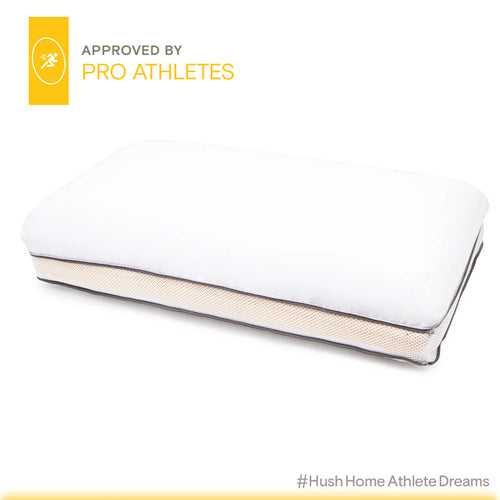
The Miracle Pillow™ uses structured removable memory-foam layers plus a soft outer cover. Hush recommends fluffing the soft outer cover so the filling remains full and even.
The removable foam layers themselves are not fibre fill and should not be treated as something you can revive by beating or kneading. If a foam insert becomes permanently compressed or structurally damaged, fluffing the cover will not restore that insert.
Hush currently specifies spot cleaning of the outer cover as needed, no water washing, no dry cleaning and no bleach; the outer cover may be tumble dried below 50°C.

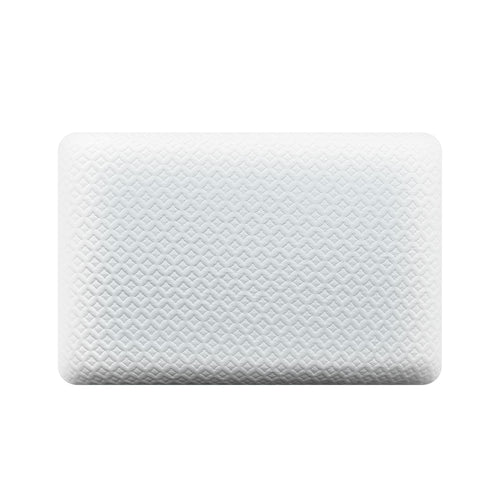
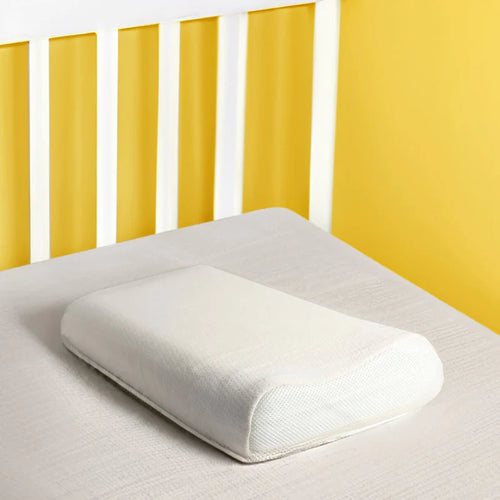
The Essence Memory Foam Pillow™ uses a single solid memory-foam core. There is no loose fill to redistribute, so conventional fluffing is not the right restoration method.
Hush says the outer cover may be dry cleaned as needed, but the memory-foam inner pillow should not be dry cleaned or washed in water. If the solid core has permanently lost height or resilience, replacement is more realistic than trying to wash or aggressively manipulate the foam.

The OnePillow™ gives the most direct user control because its fill can be redistributed and the amount can be changed. The Loft Pillow™ is the simplest to fluff because its soft microfiber is intentionally designed to stay airy with regular care.
The Miracle Pillow™ has adjustable structured foam layers, but the foam's own resilience is separate from the fluffiness of the outer cover. The Essence Memory Foam Pillow™ is fixed solid foam, so there is the least scope for restoring lost height through manual redistribution.
False. Temporary compression and fill migration can often be improved. Permanently fatigued fibres or foam cannot be restored to new condition by fluffing.
False. Some products permit tumble drying; others do not. Foam, adhesives and specialised covers can be damaged by inappropriate heat or tumbling. The care label always comes first.
The popular fold-in-half test is not universal. A soft fibre pillow, solid foam pillow and latex pillow are designed to behave very differently. Judge rebound, usable height, evenness and material condition according to the actual construction.
Not always. If the existing fill is dirty, permanently clumped or structurally degraded, adding more on top does not fix the underlying problem.
Every pillow experiences repeated load and material ageing. Better materials or adjustable construction may extend useful life, but no pillow remains unchanged forever.
Soft fill compresses under the weight of your head and may migrate away from the centre. If the pillow regains loft after fluffing, this is usually temporary compression rather than complete material failure.
For movable fibre, down or shredded fill, manually break up clumps and redistribute the fill toward thin areas. If washing or tumble drying is permitted, follow the exact care label. Solid foam should not be treated like loose fill.
The fill may have permanently lost resilience, or there may no longer be enough usable fill to hold the original height. Repeated quick collapse after proper fluffing is a strong sign that the pillow is nearing the end of its useful life.
Yes. Memory foam is designed to compress and recover, but repeated use and ageing can eventually lead to permanent softening or compression. Solid foam cannot be restored by conventional fluffing once the material itself has fatigued.
For soft fibre or down-style pillows, a quick daily fluff is reasonable if the manufacturer permits it. Hush Home specifically recommends daily fluffing for The Loft Pillow™ and for the inner and outer components of The OnePillow™.
Not necessarily. First determine whether the problem is temporary compression or fill migration. If correct fluffing restores the height and the pillow still gives you the support you need, it may remain usable. Replace it when the loss of loft becomes persistent or structural.
Soft polyester fibrefill and down-alternative pillows generally require more frequent fluffing and can lose loft faster than resilient latex or well-made foam. Consumer Council's 2026 test also found more noticeable durability-related height and/or firmness changes in the tested polyester-fibre pillows than in the memory-foam and latex samples.
Only if the pillow is designed to be adjustable and the existing fill is still in usable condition. Adding fill can correct height, but it cannot reverse contaminated, brittle, crumbling or permanently degraded material.
Replace it when proper care no longer restores usable loft, the fill stays lumpy or uneven, solid foam no longer rebounds, the pillow cannot maintain the height you need, or structural wear is accompanied by persistent hygiene problems such as odour or suspected mould.
A flat pillow is not automatically a dead pillow. First work out whether the problem is temporary compression, fill migration or permanent material breakdown.
Soft fibre, down and shredded-fill pillows can often regain useful loft through correct redistribution. Solid foam relies on its own resilience, so permanent compression cannot be repaired by conventional fluffing.
The replacement decision should be based on function: does the pillow still rebound, stay even and maintain the height you need? If the answer stays no after the correct care method, the pillow has probably reached the end of its useful life.