













Why Do I Drool in My Sleep? Common Causes & When to Get Advice
17 Sep 2026
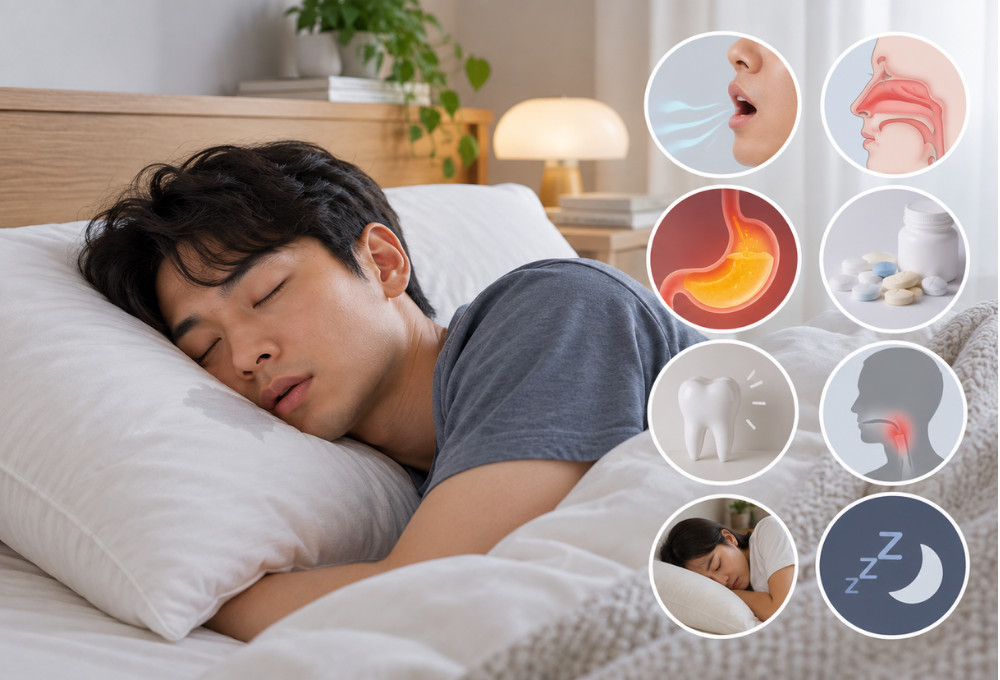
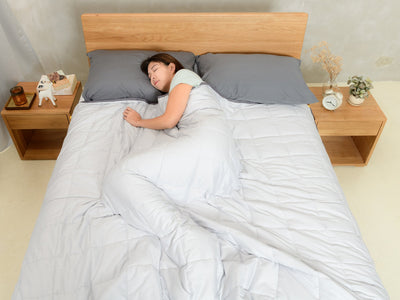
Drooling in your sleep often means saliva is escaping from an open mouth, not necessarily that you are making too much of it. Sleeping position, mouth breathing and how you manage saliva can all play a part. An occasional damp patch on the pillow is common; a new, persistent or troublesome change deserves closer attention. [1] [2]
Waking up to a wet pillowcase can feel embarrassing, but the useful question is not whether the habit is unattractive. It is whether this is your usual pattern, what has changed and whether you have symptoms beyond the wet patch.
General health information: This guide focuses on adults and provides general information, not a diagnosis. The bedding and sleep-position suggestions below are not infant sleep advice.
KEY TAKEAWAY
Look at the pattern and accompanying symptoms, not just the amount of saliva on the pillow. Persistent drooling may need assessment. Difficulty swallowing, choking or unusual night-time breathing changes the next step: these are not problems to solve simply by buying a different pillow. [1] [7] [8]
Saliva does not switch off when you go to bed, although its flow usually decreases at night. It keeps your mouth moist and helps protect your teeth. Drooling is about where that saliva goes: it can escape if your lips are open, build up if you are not clearing it effectively, or become harder to manage when production increases. [1] [5]
Swallowing also becomes less frequent during sleep. In a small study of ten healthy younger adults, swallowing occurred intermittently, with long gaps between swallows. That helps explain why sleeping and waking saliva management differ; it does not mean that swallowing stops completely every night, or that drooling proves you reached a particular sleep stage. [3]
Several factors can overlap. Use the following as questions to explore, not a checklist for diagnosing yourself.
Side or stomach sleeping can make saliva more likely to reach the pillow because of gravity. That does not make these positions inherently unhealthy. If you have always slept this way but drooling has recently increased, do not assume your position explains the whole change. [2]
If air does not move easily through your nose, you may breathe through your mouth instead. Colds, allergies and structural nasal obstruction can contribute. Night-time mouth breathing may come with drooling, snoring or a dry mouth on waking. Persistent nasal blockage is worth discussing with a healthcare professional rather than simply learning to tolerate it. [4]
Some people with acid reflux develop an increase in watery saliva known as water brash, sometimes with a sour taste or heartburn. Not everyone with reflux has this symptom, and drooling alone cannot establish that reflux is the cause. Mention recurring sour fluid, burning discomfort or regurgitation when seeking advice. [6]
Some medicines can increase saliva; clozapine is one example. A change after starting a medicine or changing a dose is useful information for the prescriber or pharmacist. Do not stop or alter prescribed treatment yourself, and do not start a saliva-drying medicine simply to keep the pillow dry. [5]
Dental decay and some infections can be associated with increased saliva or drooling. Tooth pain, a sore mouth, fever or a painful throat should not be treated as a bedding issue. A dentist can assess dental symptoms; a doctor can assess throat symptoms or illness. [1] [5]
Some health conditions make it harder to swallow saliva or keep it inside the mouth. This can occur without unusually high saliva production. Drooling while awake, coughing during meals or a new swallowing problem deserves medical assessment rather than a self-diagnosis based on a wet pillow. [1] [8]
No. Drooling by itself does not diagnose sleep apnoea. Seek an assessment if it occurs alongside loud habitual snoring, witnessed breathing pauses, gasping or choking during sleep, or marked daytime sleepiness. These accompanying symptoms matter more than the size of the wet patch. [7]
A clinician may recommend overnight breathing monitoring when the wider picture suggests a sleep-related breathing problem. A pillow, mouth tape or a separate bedroom should not replace that assessment or prescribed treatment. [7] [11]
The distinctions below help organise the next step. They are not a diagnostic scoring system, and you do not need to wait for several symptoms to appear before asking for help.
| What You Notice | A Sensible Next Step |
|---|---|
| An occasional small wet patch; otherwise well. | Observe the pattern and manage pillowcase hygiene. Ask for advice if it becomes persistent or changes noticeably. [2] |
| Ongoing drooling, including while awake, or new mouth symptoms. | Arrange medical or dental advice, depending on the accompanying symptoms. [1] [5] |
| Loud snoring with breathing pauses, gasping or daytime sleepiness. | Arrange an assessment for a possible sleep-related breathing problem. [7] |
| Coughing or choking during meals, trouble swallowing, or a wet-sounding voice after drinking. | Get urgent medical advice about swallowing safety. [8] |
| Sudden facial droop, one-sided weakness or speech difficulty; or inability to swallow saliva with severe throat symptoms or breathing difficulty. | Seek emergency help immediately. In Hong Kong, call 999. [12] [13] |
Do not wait for a routine appointment if the problem is breathing, an inability to swallow your own saliva, or sudden stroke-like symptoms. Those situations are different from discovering an otherwise unexplained damp pillowcase. [12] [13]
Make a brief note of when the problem started, whether it happens every night, and whether you also notice congestion, reflux symptoms or daytime drooling. Include recent medicines and any comments from your partner about snoring. Bring those notes to an appointment rather than trying to guess a cause from one morning.
For allergy-type symptoms such as sneezing, itching and a blocked nose, a pharmacist can advise on suitable options, including saline products and allergy treatments. Follow the instructions for the exact product. Persistent symptoms or treatments that are not helping deserve a medical review; repeatedly adding decongestant sprays is not a long-term plan. [9]
If you have recurring heartburn or acid reflux, NHS self-care advice includes leaving three to four hours between eating and bedtime and avoiding your own food triggers. Do not diagnose reflux from drooling alone. Frequent reflux, difficulty swallowing or symptoms that persist despite simple changes warrant professional advice. [10]
Back sleeping can reduce visible saliva leakage for some people, but it is not a blanket recommendation. Sleeping on the back is associated with sleep apnoea, and side sleeping is among the measures the NHS suggests for people with that condition. Prioritise comfortable breathing and any medical advice over avoiding a wet patch. [2] [7]
Taping the mouth shut is not an appropriate default fix for drooling. It does not explain why you are mouth breathing and can make breathing difficult, particularly with a blocked nose or an unrecognised airway problem. It can also irritate the skin. Seek advice about the cause rather than sealing off the route saliva is escaping through. [11]
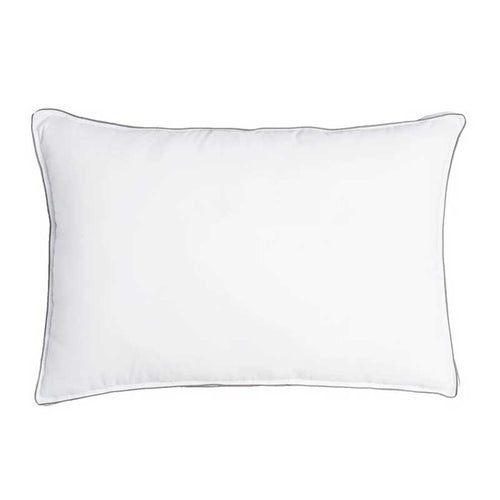
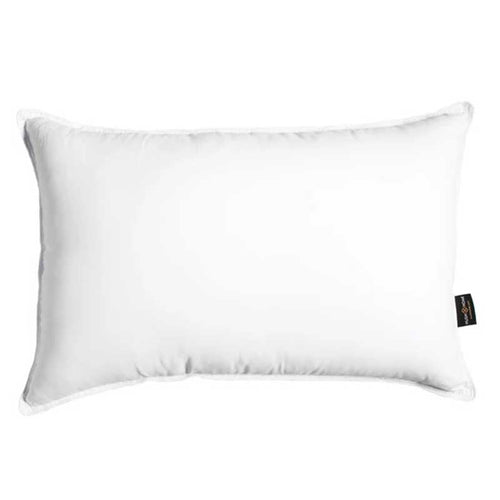
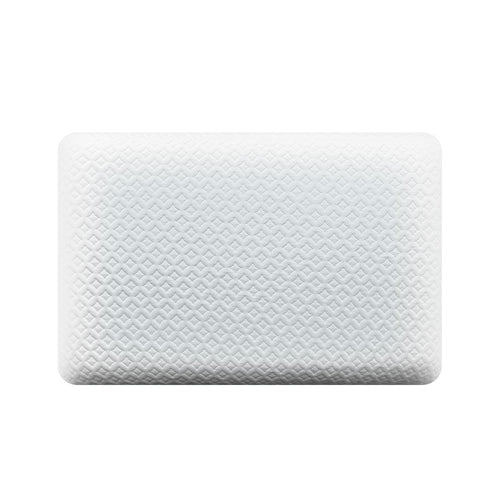
For an adult bed, a practical approach is to change a damp pillowcase and use a correctly fitted waterproof pillow protector beneath it. Keep a spare pillowcase ready so that dealing with a wet one does not become a major morning task. Clean and dry each layer according to its care label; a washable outer cover does not mean the pillow core can also be machine washed. Hush Home’s Care Guide lists care instructions for its current pillow range.
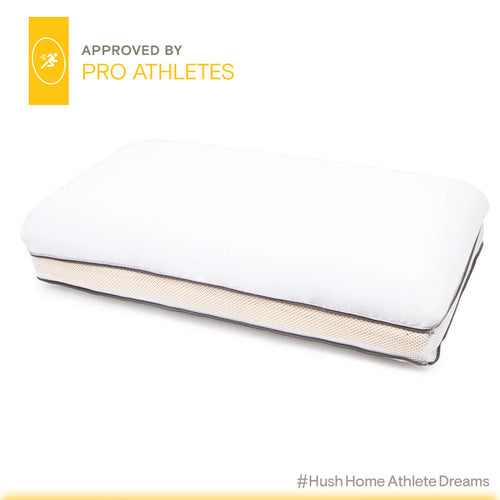
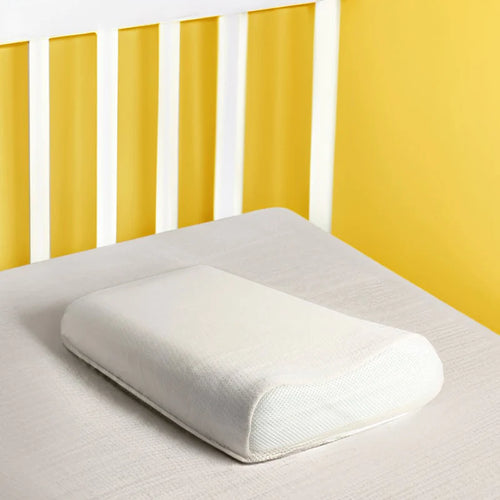
Hush Home’s Waterproof Pillow Protector™ is designed to protect the pillow from liquids and dirt. In this context, its role is to help manage the effect of drooling on the pillow—not to reduce saliva production, open the airway or treat a swallowing problem. [14]
If the pillow itself is uncomfortable, assess its height and support separately. There is no reason to buy a new mattress simply because you found saliva on your pillow, and a “better” pillow should never be presented as a cure for unexplained drooling. For pillow-fit guidance, see Hush Home’s Pillow Height Guide.
Assessment starts with the history and accompanying symptoms. Depending on what they find, a clinician may examine your mouth and throat, review medicines or arrange a swallowing or sleep assessment. Not everyone needs the same tests. Treatment should target the cause, rather than simply suppressing normal saliva. [1] [7] [8]
Not necessarily. Sleep affects swallowing, but a wet pillow cannot tell you which sleep stage you were in or whether your sleep was restorative. Treat it as a symptom to understand, not a sleep-quality score. [3]
Mouth breathing can be associated with both night-time drooling and a dry mouth. Saliva on the pillow does not tell you how moist the inside of your mouth remained. Persistent dryness, nasal blockage or snoring is worth mentioning when seeking advice. [4]
A noticeable new pattern deserves attention, especially if it persists or also happens while you are awake. Seek emergency help for sudden facial drooping, one-sided weakness or speech difficulty, or for trouble breathing or being unable to swallow saliva. An isolated wet pillow without those symptoms is a different situation. [2] [12] [13]
No. It helps protect the pillow from moisture; it does not change the medical or mechanical reasons saliva leaves your mouth. Use protection for easier bedding care while investigating persistent symptoms separately.
Start with what has changed, not with a shopping list. For mild occasional drooling, sensible bedding care may be all you need to manage the inconvenience. Persistent drooling, breathing symptoms or swallowing difficulties call for a different conversation with a healthcare professional. A dry pillow is useful; comfortable, safe sleep matters more. [1] [2] [7] [8]
The medical information above is based on the linked health-service guidance and research. The bedding-care suggestions and Hush Home product discussion are practical guidance, not evidence that bedding treats drooling.