





















How Much Sleep Do You Need? Recommended Sleep Duration by Age
15 Sep 2026

Most adults need around seven to nine hours of sleep a night, while babies, children and teenagers need more. The CDC lists at least seven hours for adults aged 18–60, with separate ranges for older adults. Use the age table below as a starting point, then consider sleep quality, a regular schedule and how alert you feel during the day. [1] [10]
Between work, commuting, school, family responsibilities and late-night screen time, sleep can become whatever is left at the end of the day. This guide explains the recommended hours by age, how to turn them into a realistic bedtime, and when persistent tiredness deserves medical advice.
General health information: This article provides general sleep information, not an individual diagnosis. Speak to a healthcare professional about persistent symptoms or concerns about a child's sleep.
KEY TAKEAWAY
Use an age-based recommendation as your starting point, then consider sleep quality, regularity and daytime alertness. Time in bed is not the same as time asleep, and a good mattress cannot replace the hours your body needs.
The table follows the age groups and recommendations in the US Centers for Disease Control and Prevention’s sleep guidance. For younger children, count daytime naps as part of the total. These are daily recommendations, not a requirement to sleep every hour in one uninterrupted stretch. [1]
| Age Group | Recommended Sleep per Day |
|---|---|
| Newborns: 0–3 months | 14–17 hours across day and night |
| Infants: 4–12 months | 12–16 hours, including naps |
| Toddlers: 1–2 years | 11–14 hours, including naps |
| Preschool children: 3–5 years | 10–13 hours, including naps |
| School-age children: 6–12 years | 9–12 hours |
| Teenagers: 13–17 years | 8–10 hours |
| Adults: 18–60 years | 7 or more hours |
| Adults: 61–64 years | 7–9 hours |
| Older adults: 65 years and above | 7–8 hours |
Sleep needs do not suddenly change on a birthday. Some professional recommendations group ages slightly differently. The table is a practical reference, and an individual’s health, development and sleep pattern still matter. For a baby with feeding, growth or unusual sleep concerns, ask a healthcare professional rather than trying to force a fixed timetable.
No. Eight hours can be a useful planning target for an adult, but it is not a universal pass mark. For adults aged 18–60, the AASM and Sleep Research Society recommend seven or more hours regularly. That is a lower-bound recommendation, not an instruction to stop sleeping as soon as seven hours have passed. [2]
Sleeping longer than nine hours is not automatically harmful. NHLBI notes that it may be appropriate for young adults, people recovering from sleep loss or people who are ill. A persistent change in your sleep needs or continued daytime sleepiness still deserves medical advice. [10]
Think about how you function across a normal week. Can you stay awake during routine daytime activities? Is getting up consistently difficult? Do you need much longer lie-ins whenever your schedule allows? These observations are more useful than judging your sleep from one unusually energetic or exhausted morning.
For most adults, regularly planning only six hours falls below the recommended minimum. Feeling familiar with a short schedule does not establish that it meets your needs. If work leaves only six hours available, start by identifying which part of the evening could move earlier, rather than treating tiredness as a personal weakness. [2]
A child’s total can include both overnight sleep and naps. For example, a two-year-old who sleeps ten hours overnight and two hours during the day gets twelve hours in total. That arithmetic is useful when comparing a child’s routine with the recommendation; looking at the night alone would miss a substantial part of their sleep.
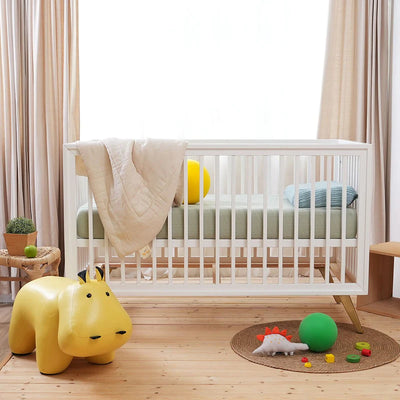
For babies, sleep safety comes before bedding comfort. Hong Kong’s Family Health Service advises putting babies on their backs, on a firm, well-fitting sleep surface, and keeping pillows, soft objects and loose bedding out of the sleeping area. Adult pillows, duvets and mattress recommendations should not be applied to an infant’s cot. [3]
Teenagers can have a later body clock. NHLBI explains that melatonin is released and peaks later in the daily cycle for teens than for younger children and adults. Wanting a later bedtime does not mean needing fewer hours of sleep. In the CDC table, teenagers aged 13–17 still need eight to ten hours. [1] [11]
For a teenager who must wake at 7:00 am, being asleep by 10:00 pm allows nine hours before the alarm, provided sleep is not interrupted. The wind-down routine needs to start earlier. This is a planning example, not a fixed bedtime that suits every family; persistent difficulty falling asleep deserves advice rather than blame.
An eight-hour gap between bedtime and the alarm does not automatically provide eight hours of sleep. You may spend some of it settling down, reading, scrolling or awake during the night. When planning, work backwards from the time you must get up and allow a realistic margin for falling asleep.
If you regularly lie awake for long periods despite giving yourself time to sleep, simply moving bedtime earlier may not solve the problem. Discuss persistent difficulties with a healthcare professional. You can also read our guide to falling asleep faster for practical sleep-environment and routine ideas.
Repeatedly sleeping less than you need builds sleep debt. Extra sleep on days off may help you feel better, but a large shift in bedtime and waking time can disrupt your routine. Naps can temporarily improve alertness, yet they do not provide all the benefits of sufficient overnight sleep. [4]
If you choose an adult nap, keep it brief—around 20 minutes—and consider an earlier time if napping makes it harder to fall asleep at night. For shift workers, the priority is protecting enough total sleep around the rota, with a dark and quiet room for daytime rest. A different work schedule does not remove the need for sleep. [5] See our sleep tips for shift workers in Hong Kong for more practical guidance.
Duration is only one part of sleep health. Frequent awakenings, difficulty falling asleep or unrefreshing sleep can make a night feel very different from its length on paper. Snoring with breathing pauses, gasping or substantial daytime sleepiness also deserves medical attention. [1] [6]
Keep a simple sleep diary for one to two weeks: note bedtime, approximate time to fall asleep, awakenings, wake-up time, naps and how you felt during the day. Add caffeine or alcohol use if relevant. Use the record to describe patterns to a clinician; it can support an assessment but cannot diagnose a sleep disorder on its own. [12]
If you are specifically trying to improve restorative sleep quality, our guide to getting more deep sleep covers practical routine and bedroom-environment considerations.
Start with a wake-up time you can keep reasonably consistent, then protect an evening wind-down period. If late messages or videos regularly displace sleep, decide when they stop before the evening begins. Keeping that boundary is often a more concrete first step than promising to “sleep better”.
Adjust the room to be comfortably cool, dark and quiet. In a shared flat, that might mean agreeing on a quieter late-evening routine or reducing light reaching the bed. Check when you drink coffee, strong tea or milk tea: caffeine late in the day can make settling down harder. [5] Our guide to caffeine’s half-life and sleep explains why an afternoon drink can still affect the evening.
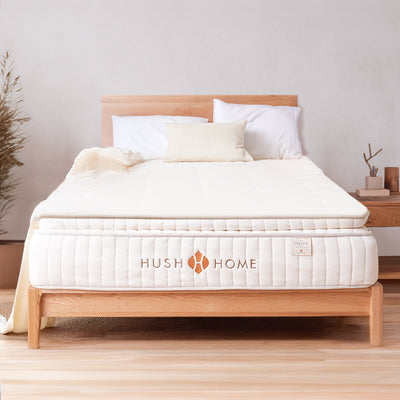
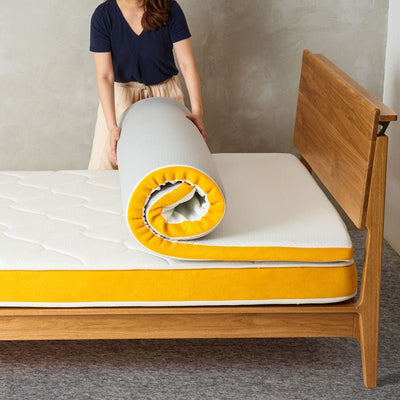
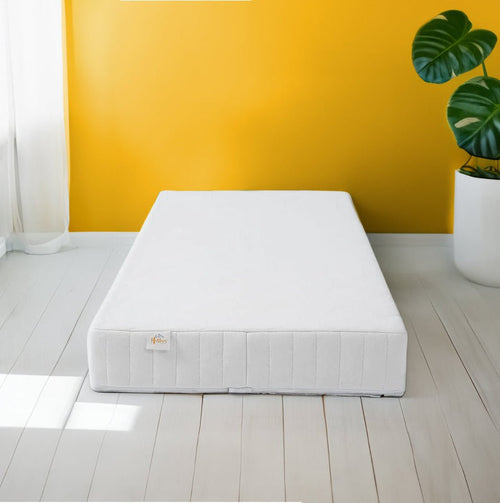
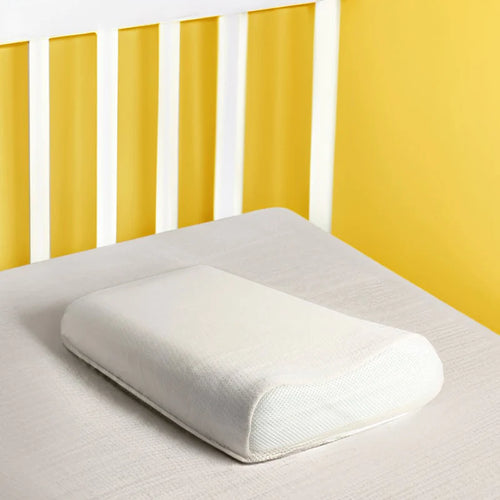
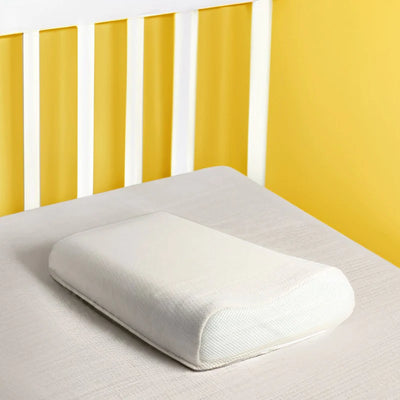
For adults, bedding should make your planned sleep time comfortable. When comparing options such as The Organic Mattress™, try your usual sleeping position and consider the feel you prefer. An adjustable option such as the Miracle Pillow™ allows you to change pillow height and firmness to suit your setup. [7] [8]
Neither product changes the sleep duration recommended for your age, and neither replaces assessment for persistent insomnia or daytime sleepiness. Start with enough time for rest, then improve the comfort of that time.
No. Seven hours is the CDC's general minimum for adults aged 18–60, not an ideal target for everyone. Many adults need around seven to nine hours. Consider whether you have enough opportunity to sleep and feel alert during the day, rather than stopping at the minimum simply because it appears in a chart. [1] [10]
For infants and younger children, the table explicitly includes naps in the daily total. Adults can also record naps when adding up their total sleep, but naps should not become the main strategy for repeatedly cutting short the night. They may improve alertness temporarily without providing all the benefits of sufficient overnight sleep. [1] [4]
Not generally. The CDC lists seven to eight hours for people aged 65 and older. Do not dismiss persistent poor sleep or daytime tiredness as something that must simply be accepted with age. [1]
No. Sleep cycles vary, and NHLBI describes cycles of about 80–100 minutes. A calculator cannot guarantee the stage you will be in when an alarm rings. Prioritise enough sleep and a sustainable schedule instead of shortening a night to fit a neat multiple. [9]
Seek advice if you repeatedly struggle to sleep, remain very sleepy despite adequate opportunity for rest, or have concerning breathing symptoms. If sleepiness makes driving or operating equipment unsafe, stop that activity and get help; do not try to push through it.
Choose a realistic sleep target for your age, plan backwards from your wake-up time, and review how you feel over several days. Better sleep begins with enough opportunity to sleep—not with chasing a perfect number on a single night.