












Can Your Ideal Mattress Firmness Change Over Time?
14 Sep 2026

Yes. A mattress firmness level that feels ideal today may not remain ideal throughout the life of the mattress.
Body weight, sleeping position, physical condition, activity level, pregnancy, temperature sensitivity and personal preference can all change. The mattress itself may also soften or wear over time, altering how its original firmness feels. If the change appears to come from the mattress itself, our guide to signs you may need a new mattress can help you distinguish wear from preference.
This does not mean that everyone needs a different mattress every few years. It means firmness should be treated as a current fit between the sleeper and the mattress—not a permanent identity.
KEY TAKEAWAY
Your body can change, your sleep habits can change and your mattress can change. The firmness that once worked may need to be reassessed even when the mattress is not visibly damaged.
Before changing firmness, distinguish between a change in the sleeper and a change in the mattress.
| What Has Changed? | What It Can Look Like |
|---|---|
| Your Ideal Firmness Has Changed |
The mattress remains level and structurally sound, but you now want more cushioning, less sinkage or a different response in your usual sleeping position. This may be addressed through an adjustable comfort system, suitable topper or different mattress firmness. |
| The Mattress Has Physically Changed |
Foams can soften, comfort layers can compress and support components can lose consistency. Visible sagging, permanent indentation, lumps or uneven edges suggest a condition issue rather than a new firmness preference alone. A topper or comfort adjustment cannot reliably repair a damaged support core. Inspect the mattress and bed frame before deciding what needs to change. If the surface has become noticeably soft or uneven, see our guide on how to make a soft or sagging mattress firmer. |
Not sure whether the mattress itself is the problem? Read our checklist of signs you may need a new mattress.
Body weight affects how deeply a sleeper compresses the mattress. A substantial increase may make the same surface feel softer, while a substantial decrease may make it feel firmer.
The mattress has not necessarily changed. The interaction between the body and its materials has changed.
The Hong Kong Consumer Council has also found that the same mattress can perform differently for testers with different body weights. If body weight is the main factor affecting your comfort, see our guide to choosing a mattress for heavier sleepers.
A person who previously slept mainly on their back may begin spending more time on their side. That changes where the body applies pressure to the mattress.
Side sleeping usually concentrates more load around the shoulder and hip, while back and stomach sleeping distribute weight differently.
A firmness that suited one position may not provide the same comfort in another. Our mattress firmness guide explains how sleeping position can influence the feel you prefer.
Changes in muscle mass, body composition or sensitivity around particular contact points can affect how much cushioning feels comfortable.
Two people can remain at a similar total weight but distribute that weight differently over time.
Pregnancy can change sleeping position, body shape, temperature sensitivity and pressure around different areas. Comfort needs may also change again after delivery.
There is no single pregnancy mattress firmness that suits everyone. Anyone with medical concerns or persistent discomfort should seek individual advice from an appropriate healthcare professional.
A temporary injury may make certain positions or pressure points more sensitive. As recovery progresses, the desired sleep surface may change again.
A mattress should not be used to diagnose or treat an injury. Discuss persistent or significant symptoms with a qualified professional.
A change in exercise, physical work or daily movement may affect which areas feel tired or sensitive at night.
Someone who begins intensive training may temporarily value more cushioning, while another person may start preferring a more stable surface. These are personal responses rather than universal rules.
Some comfort materials respond differently to temperature, and sleepers may perceive deeper contouring as warmer.
In Hong Kong, the same mattress may feel different between a humid summer night and a cooler, air-conditioned season.
Bedding also changes perceived firmness. A thick protector or topper can alter how directly the body interacts with the mattress surface.
A mattress chosen for one person may feel different when two people share it. The couple may use more of the surface, generate more heat and notice movement or edge stability more often.
The new partner may also have a completely different firmness preference, creating a mismatch that did not previously exist. If you are now choosing for two sleepers, see our Best Mattress for Couples in Hong Kong guide and our guide for couples with different firmness preferences.

There is no rule that people must sleep softer or firmer as they age. However, comfort priorities can change.
A sleeper may begin valuing easier movement, stronger edge stability, more pressure relief or a cooler surface. The direction of change depends on the individual.
Your needs may deserve reassessment when:
These signs are more meaningful when they repeat over time rather than appearing after one unusual night.
There is no need to reconsider firmness every few weeks when you remain comfortable.
Reassessment is more useful when:
Sometimes. The available options depend on the mattress condition and construction.
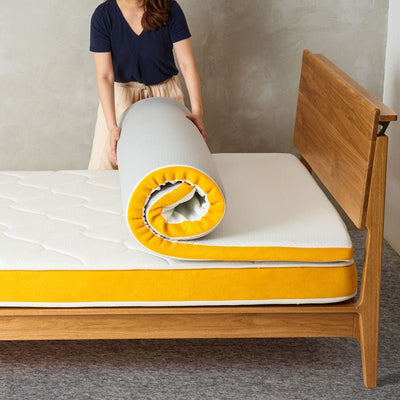
A mattress topper can soften the surface when the underlying mattress remains supportive and level.
It is less effective for making a mattress substantially firmer and cannot repair structural sagging.
An unsupported or uneven base can make a mattress feel softer, less stable or uneven.
Confirm that the frame meets the manufacturer’s support requirements before replacing the mattress.
Some mattresses allow comfort layers or inserts to be rearranged. This can change surface cushioning and resistance without replacing the complete product.
A modular design may allow a worn or unsuitable comfort layer to be replaced independently.
This can be more targeted than discarding an otherwise functional support base.
If the support core is damaged, severely sagging or no longer stable, changing the surface feel is unlikely to solve the problem.
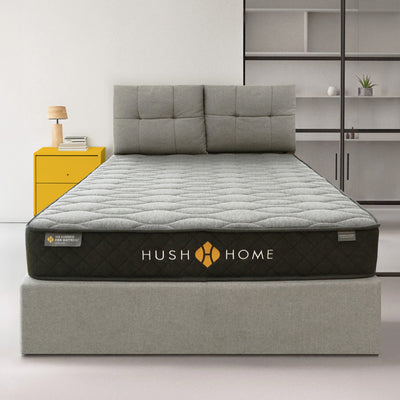
There is no universal replacement age. Judge the mattress by its condition, performance and the applicable warranty terms. If replacement is genuinely necessary, you can compare Hush Home mattresses and beds by construction, firmness and size.
A fixed-firmness mattress is selected according to one moment in time. An adjustable mattress is designed around the possibility that comfort needs may evolve.
The benefit is not that users should constantly adjust their mattress. It is that they can make a targeted change when there is a genuine reason.
For couples, adjustability also prevents one person’s changing needs from automatically changing the other partner’s side. This is particularly useful when a shared middle firmness no longer works; our guide on whether couples should compromise on mattress firmness explores that decision in more detail.
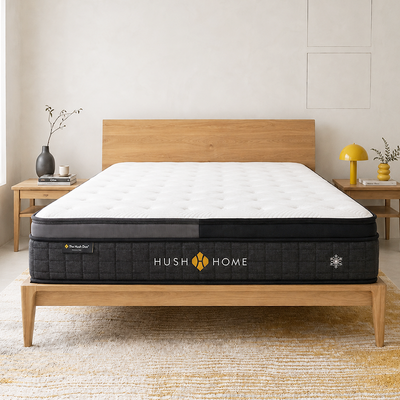
The 11-inch Hush Duo Mattress™ uses a modular comfort system that allows the left and right sides to be adjusted independently.
Each side contains two interchangeable Comfort or Support Inserts. Rearranging their combination and order creates four firmness profiles spanning approximately 4.0 to 9.0, from medium-soft to firm.
A sleeper can therefore move towards more cushioning or firmer resistance without changing their partner’s side or replacing the complete mattress.

All configurations use the same five-zone pocket-coil support base. ArcticFlow™ supports airflow across the mattress, while EdgeSupport™ reinforces the perimeter.
During the first 365 nights, eligible customers can request up to two complimentary additional inserts if either side needs further firmness adjustment, subject to the published terms. This is an adjustment programme rather than a full mattress-return trial.
Replacement inserts remain available during the life of the mattress, allowing owners to change or renew selected comfort components without automatically replacing the complete bed.
Explore a mattress designed to let each sleeper adjust their firmness independently over time.
Your ideal mattress firmness is allowed to change. A preference is not a permanent promise.
The correct response depends on what changed. If the mattress is damaged, it may need repair or replacement. If your body, position or comfort preference has changed while the mattress remains sound, an adjustable comfort system may provide a more targeted solution.
A mattress that can evolve with each sleeper offers particular value for couples because one person’s change does not have to become the other person’s compromise.
It can, but there is no rule that older sleepers must choose softer or firmer. Changes in body composition, mobility, pressure sensitivity and personal preference affect individuals differently.
Often, a heavier sleeper compresses the comfort layers more deeply, which can make the same mattress feel softer or create more sinkage. The actual effect depends on the mattress construction.
Yes. Different sleeping positions load the mattress differently. A surface that suited back sleeping may not provide the same pressure relief when the sleeper changes to their side.
A topper can usually make a structurally sound mattress feel softer or more cushioning. It is less reliable for making a soft mattress substantially firmer and cannot repair sagging.
Inspect the mattress for visible indentations, uneven areas, weakened edges or structural problems. If the mattress remains level but your comfort needs have changed after a body, position or lifestyle change, the issue may be preference rather than damage.
Yes. The two sides are configured independently, so one sleeper can rearrange their inserts without changing the partner’s setting.