




Memory Foam vs Latex vs Microfiber vs Down Pillows
14 Sep 2026
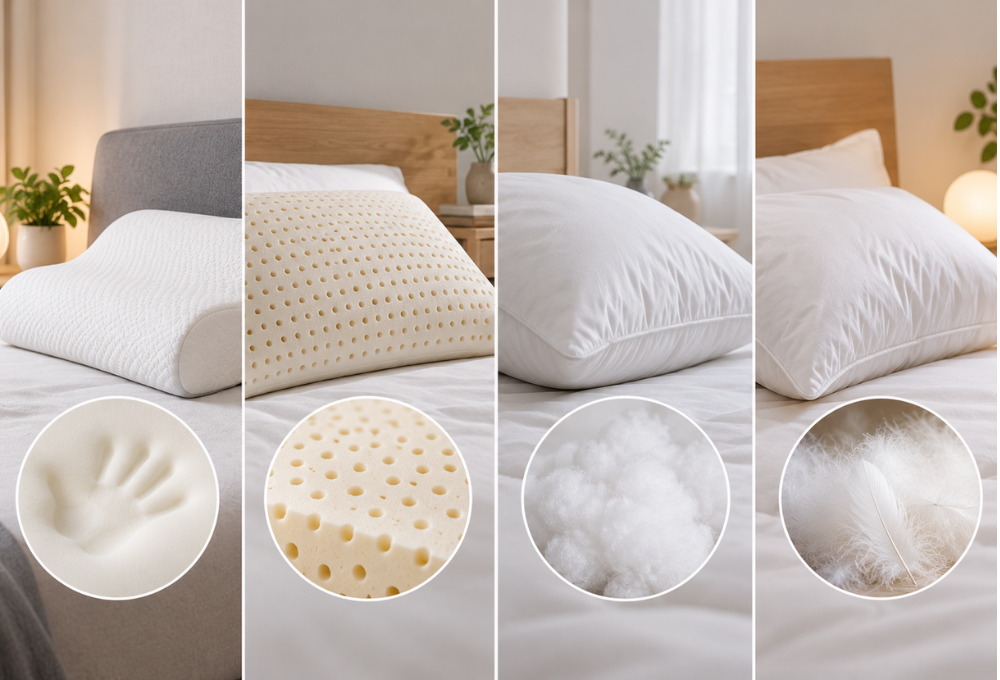
Memory foam typically gives a slower, contouring feel; latex feels more springy and responsive; microfiber offers a soft, down-like alternative without natural down; and down provides a light, mouldable filling. None is automatically the best pillow material for everyone. The better choice depends on the height and support you need, the feel you enjoy and the care you can manage. [3] [4] [5] [14]
Start with the problem you want to solve. Is your current pillow too high, too flat, too warm or simply not the texture you like? Changing the filling without identifying the problem can leave you with a more expensive version of the same discomfort. Our Hong Kong Pillow Buying Guide is a useful broader starting point.
KEY TAKEAWAY
Choose by the pillow’s feel under your head—not just its material name. A plush-looking pillow can compress too far, while a premium foam pillow can still be the wrong height. Compare the complete design, including its core, outer layers and cover. [7]
The comparison below describes typical characteristics, not a ranking of every pillow. Filling quantity, shape and layered construction can change the result considerably.
| Material | Typical Feel | Main Buying Check |
|---|---|---|
| Memory foam | Contouring, usually with slower recovery. | Check compressed height, response speed and whether the core is adjustable. |
| Latex | Springy, resilient and more immediately responsive. | Test the bounce and height; check the composition and any latex allergy. |
| Microfiber | Soft, fluffy and compressible; often used for down-alternative comfort. | Check how much support remains after compression and whether the whole pillow is washable. |
| Down | Light, mouldable and easy to scrunch into shape. | Check down percentage, fill weight, chamber design and care requirements. |
Comparison sources: [3] [4] [5] [6] [8] [14]
Memory foam is a type of viscoelastic polyurethane foam. It deforms under load and recovers more slowly than a springy latex foam. Some formulations also change feel with temperature, so the response in a cool air-conditioned room may differ from a quick squeeze in a warm shop. [2] [3] [4]
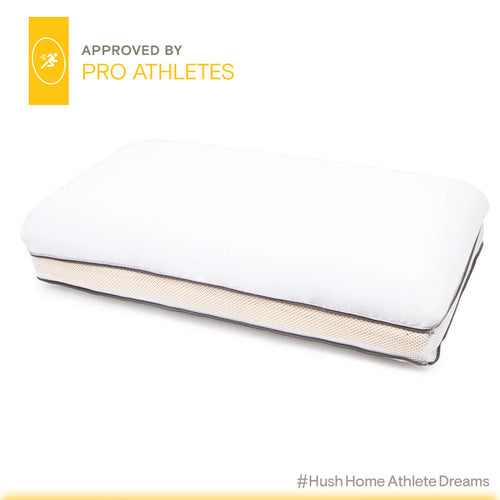
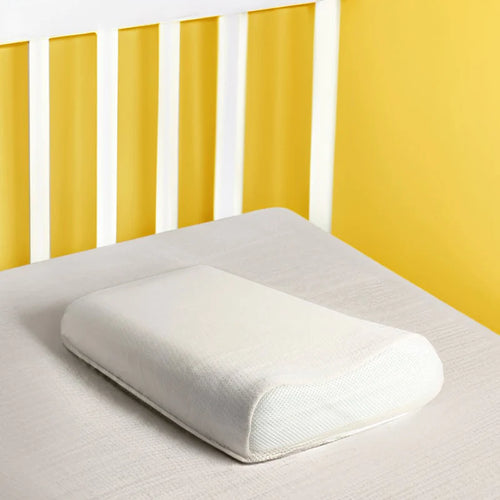
Not every memory foam pillow is a solid block. Options include moulded cores, removable foam layers and loose foam pieces. A fixed contour offers a predetermined shape; a genuinely adjustable design lets you alter layers or fill. Check the adjustment method rather than assuming every zip opens an adjustable core. [12] [13]
Consider memory foam if you enjoy a cradling sensation with less loose filling to reshape. During testing, turn your head and change position: does the pillow readjust comfortably, or do you dislike the slower response? Neither reaction is wrong; it is a useful way to narrow your choices.
If this is the feel you prefer, you can also compare Hush Home’s memory foam pillow collection.
Latex foam has a more elastic response than typical memory foam: it compresses and rebounds rather than leaving the same slow-recovery impression. This can appeal to people who dislike a pronounced sinking sensation, although the actual pillow may still be soft or firm. [4]
Check the formulation as well as the label. Latex products include natural-rubber formulations and blends of natural and synthetic latex. “Latex” alone does not mean organic, and a cotton cover does not tell you what is inside. Ask for the core composition when natural content is important to you. [17]
A buoyant feel is not the same as a correct fit. A latex pillow can still hold your head too high, and someone who likes a scrunchable hotel pillow may not enjoy a shaped latex core. Test it lying down rather than judging only its bounce.
Latex allergy: If you have a known natural-rubber latex allergy, avoid latex-containing pillows and ask your healthcare professional about suitable alternatives. A “natural” or “hypoallergenic” description should not override a known allergy. [8]
Microfiber pillow filling commonly uses very fine synthetic fibres, often polyester, to create a soft, down-like feel. It is not memory foam and it is not natural down. Also check whether “microfiber” describes the filling or only the outer fabric. [3] [14]
This is worth shortlisting when you like a huggable, traditional pillow feel without bird-derived filling. However, softness and support are different questions. Notice how much the pillow compresses, whether the filling moves away from your neck and whether you keep folding it to make it usable.
A microfiber-only pillow and a pillow with microfiber wrapped around a foam centre will not necessarily feel alike. The outer fibre can provide softness while the inner core does a different job. This is why reading every layer is more useful than putting the whole pillow into a single material category. [12] [13]
If you prefer this softer hotel-style feel, Hush Home’s hotel pillow collection is the most relevant range to compare.
Down is the soft undercoating of waterfowl such as ducks and geese. Its clusters do not have the firm central shaft found in feathers. Down and feather are therefore different materials, even though a pillow may contain both. [5]
Down can suit people who like to mould or scrunch a pillow around their head. Before paying for a premium label, check the percentage of down, any feather content and the internal chambers. A feather-centred pillow with softer outer chambers should not be treated as identical to a down-filled single chamber. [5] [6]
Fill power and fill weight are not interchangeable. Fill power describes the loft of a given quantity of down; fill weight tells you how much filling is used. A higher fill-power number does not automatically mean a firmer pillow or a better height for your neck. [6]
If sourcing matters to you, look for a clearly identified certification rather than relying on the word “natural”. Textile Exchange’s Responsible Down Standard addresses animal welfare and the chain of custody of down and feathers. It is not a rating of pillow firmness, comfort or allergy suitability. [15]
There is no reliable rule that every side sleeper needs latex or every back sleeper needs memory foam. The more useful starting point is the pillow’s height after compression and whether it holds your head comfortably in relation to your body. [7] [16] Our Pillow Height Guide goes into this in more detail.
Look for enough support to bridge the space beside your shoulder without tilting your head markedly up or down. A soft surface is fine if it does not collapse below a comfortable level. Shoulder width and how deeply you sink into the mattress also affect the fit. [16] [3]
You can also browse Hush Home’s pillows for side sleepers.
Notice whether the pillow pushes your chin towards your chest or leaves your neck unsupported. Do not assume a taller pillow offers better support. A lower configuration may be more comfortable than adding another pillow on top. [7]
For examples designed around this sleeping position, see Hush Home’s pillows for back sleepers.
A tall pillow can increase awkward neck positioning during stomach sleeping. People who change positions should test more than one posture rather than choosing only for the first position they lie in. If a position or pillow repeatedly causes discomfort, do not force yourself to adapt. [7] [16]
Do not pick a “coolest material” from the name alone. In its March 2026 test, the Consumer Council found comparatively weaker moisture permeability in two memory foam models—not every memory foam pillow. That is a reason to compare actual products, not to dismiss an entire category. [1]
Check the cover, ventilation openings, core construction and the pillowcase you plan to use. Ask whether a cooling claim refers to initial touch or a measured performance result. A brief cool sensation in a showroom is not, by itself, evidence of an all-night temperature advantage.
For everyday use, think about what you can keep dry and clean. If you often wake to a damp pillowcase, review the room environment and laundry routine as well as the pillow. A different filling cannot compensate for every problem in the bedroom.
Known material allergy and dust-mite allergy need different considerations. Natural rubber latex can trigger reactions in susceptible people. Dust mites, meanwhile, thrive in warm, humid environments and can occur in bedding. A different filling is not a substitute for managing the allergen you actually react to. [8] [9]
A washable cover does not mean a washable core. Tempur-Pedic instructs users not to wash its TEMPUR material, while allowing care of removable covers. Saatva likewise separates the washable cover of its Organic Quilted Pillow from the latex insert, which should not be washed. These examples illustrate why the exact product label matters. [10] [11]
Some fibre or down pillows permit washing, but do not assume all do. Check the permitted method, whether filling must be removed and how to dry the pillow completely. For a mixed-material pillow, the component needing the most careful treatment may determine how the entire product is cleaned. [3] [10] [11] [18]
In the Consumer Council’s March 2026 test of 13 pillows, memory foam and latex samples generally performed well in durability; two polyester samples showed larger changes in height and firmness. Down was not part of that test. These are findings about tested models, not guaranteed lifespans for every material or an endorsement of Hush Home products. [1]
Inspect condition instead of relying only on age: persistent flattening, uneven filling, crumbling foam or a height that no longer works for you are reasons to reassess the pillow. A fixed replacement timetable cannot describe every construction and pattern of use.
For more buying criteria from the same 2026 Consumer Council test, see our Consumer Council pillow report guide.
You do not always have to choose between a soft surface and a foam interior. Hush Home’s pillow range includes both microfiber-only and combined microfiber-and-memory-foam constructions. Compare them as complete designs rather than assuming each contains only the material in its name. [12] [13] [14]
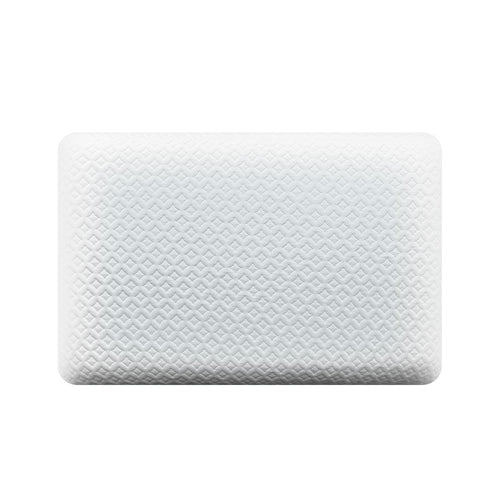
The Miracle Pillow™ combines memory foam layers with soft microfiber filling. Removable inner layers change the height, while its two-sided design offers a choice of feel. It is worth trying if you like memory foam but want to fine-tune the setup rather than commit to one fixed profile. [12]
The OnePillow™ combines soft microfiber outer layers with an adjustable middle layer of interlocking memory foam fill. It bridges two preferences: a fluffier surface and control over the amount of filling in the centre. It is not a natural-down pillow or a microfiber-only pillow. [13]
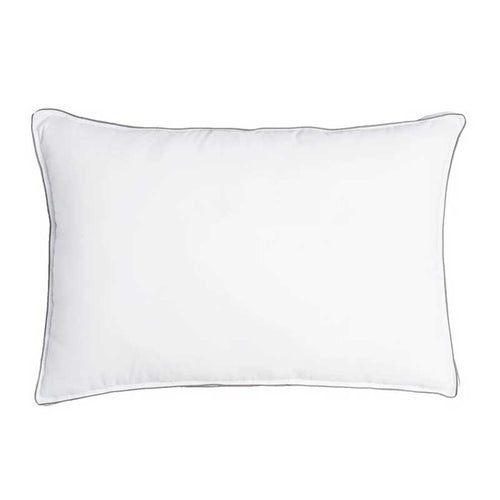
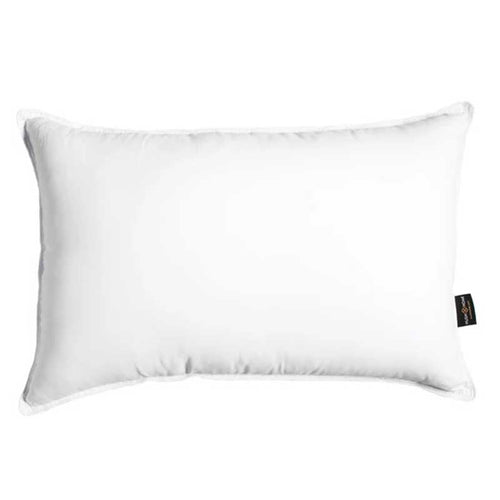
The Loft Pillow™ uses down-like microfiber in a single-chamber design, with separate Back and Side height options. It is a straightforward choice to compare when you prefer a soft hotel-style pillow without a memory foam centre. Test the actual height rather than choosing only from the position label. [14]
First, identify the feel you want: slow contouring, springy rebound or a softer loose-fill sensation. Then test the pillow on a mattress that feels reasonably similar to your own, using your normal sleep position and any other position you commonly turn into.
If neck discomfort persists, do not keep escalating from one “more supportive” material to another without advice. A pillow is a comfort and positioning product, not a diagnosis or a treatment for every cause of neck pain. [7] [1] For more on pillow fit and neck comfort, see our guide Can Pillows Cause Neck Pain?
Neither is universally better. Memory foam generally has slower contouring, while latex feels more elastic. Choose the response you enjoy at a height that fits you; firmness and comfort still vary between models. [3] [4]
No. Microfiber pillow filling is usually synthetic, while down comes from waterfowl. A down-like feel does not mean a pillow contains down, and “down alternative” does not identify one universal filling recipe. [5] [14]
No. Fill power is not a firmness scale. The amount of filling, down-and-feather mix and chamber design also matter. Compare the finished pillow under your head rather than buying the highest number. [6]
There is no single filling that treats every cause of neck pain. Height and position are important, and both a pillow that collapses too far and one that holds the head too high can be uncomfortable. Persistent symptoms need professional assessment. [7]
Do not assume so. Many designs separate a washable cover from a core that should not be washed. Follow the instructions for the exact pillow, including any removable layers; a zipper is not proof of machine washability. [10] [11]
Yes. Layered pillows can use microfiber for a softer outer feel and memory foam inside. Hush Home’s Miracle Pillow™ and OnePillow™ are examples with different adjustment methods, so compare how each is configured. [12] [13]
A material comparison should help you narrow the search—not choose the pillow without trying it. Decide what response you enjoy, check that the height works after compression, and make sure the cleaning routine is realistic. The best choice is the complete pillow that fits your sleep, not the material with the most impressive label.